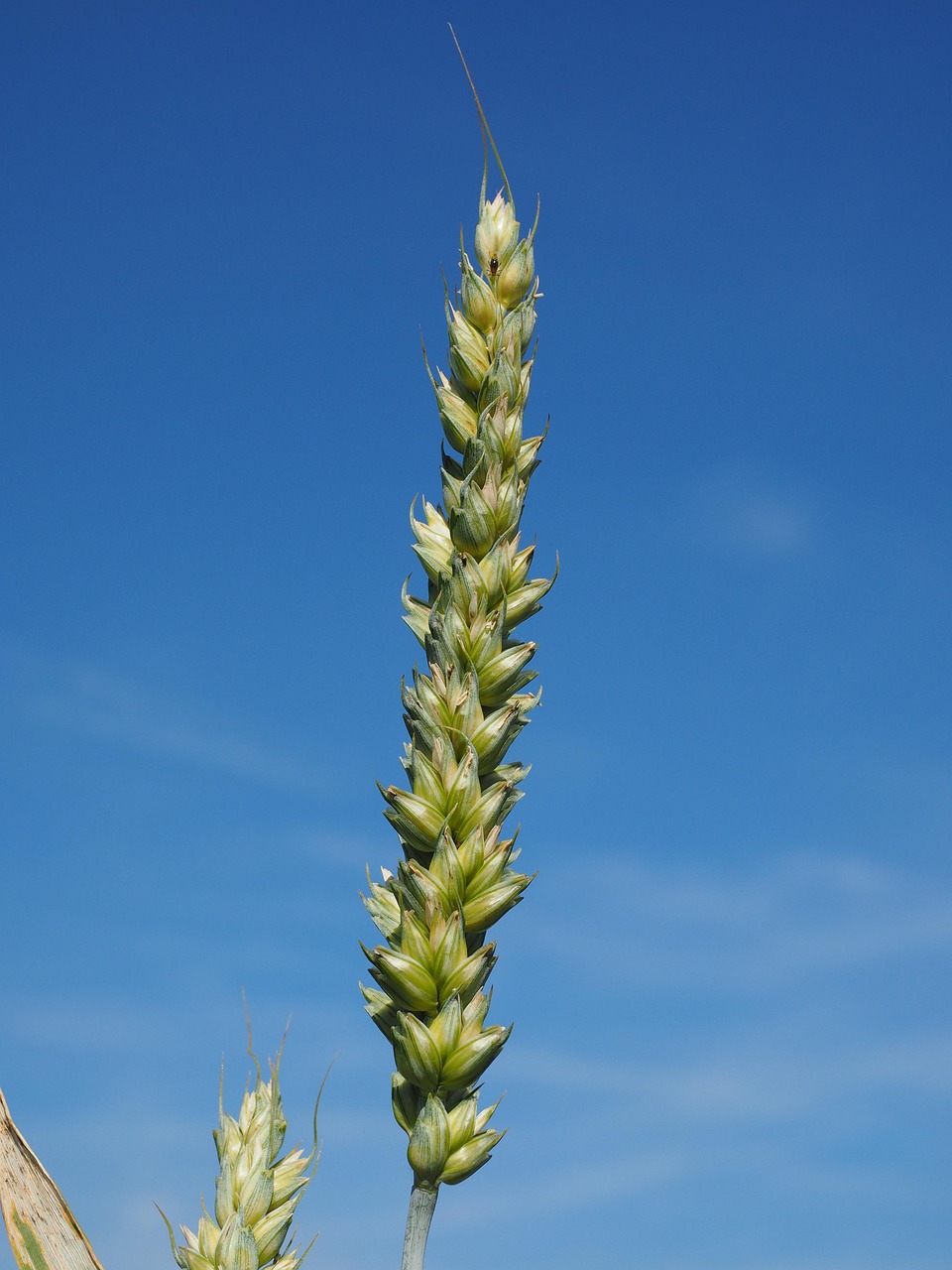
Discover the advantages of biological fertilizers for wheat in Argentina and their SENASA certification. Get informed and improve your crops today!
Introduction
In the current agricultural context, biological fertilizers are gaining ground as a sustainable alternative to chemical inputs, especially in crops like wheat. In Argentina, the adoption of these fertilizers is supported by the regulations of SENASA, which regulate their use and guarantee their effectiveness. This article explores the advantages of biological fertilizers for wheat cultivation and how SENASA certification influences farmers’ choices.
Advantages of Biological Fertilizers
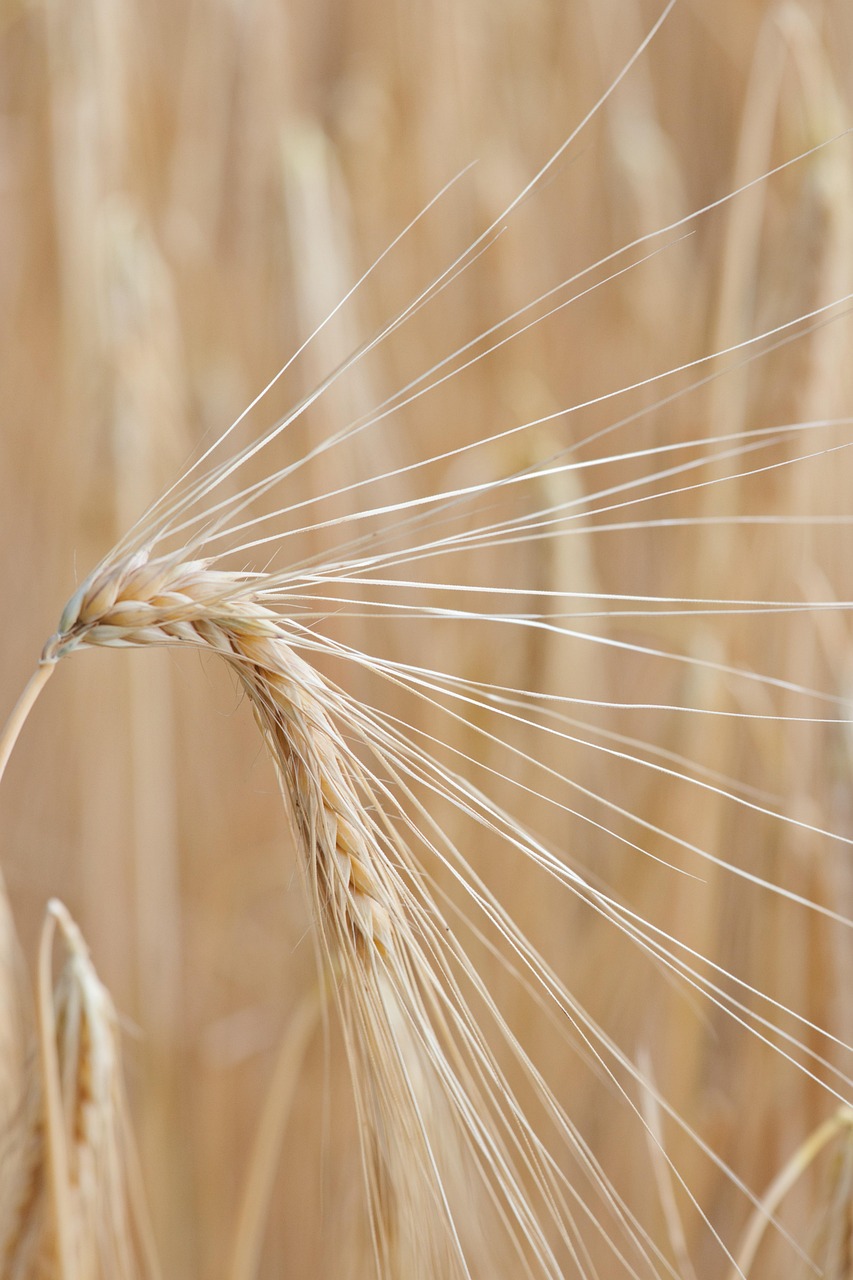
Biological fertilizers offer multiple benefits compared to their chemical counterparts:
- Improvement of soil health: Biological fertilizers enrich the soil microbiota, promoting a healthy ecosystem that enhances water retention and nutrient availability.
- Reduction of pollution: Being organic, these fertilizers minimize the risk of contaminating water bodies and soils, contributing to a cleaner agriculture.
- Increase in yield: Agronomic studies have shown that the use of biostimulants can increase crop yields, improving the quality of wheat grain.
- Resilience against pests: By strengthening plants, biological fertilizers help wheat become more resistant to pests and diseases, reducing the need for chemical pesticides.
Scientific Evidence
Recent research suggests that wheat crops treated with biological fertilizers show significant improvements in terms of growth and production. This translates into greater profitability for farmers who adopt these practices. For example, in a study conducted in the province of Buenos Aires, a 20% increase in wheat yield was observed when using a biological fertilizer based on beneficial microorganisms compared to a conventional treatment.
Moreover, the biochemical mechanisms behind these benefits include nitrogen fixation, phosphorus solubilization, and the production of phytohormones, which are essential for optimal plant development. For instance, some microorganisms like Azospirillum and Rhizobium are capable of fixing atmospheric nitrogen, converting it into forms that plants can use, resulting in a more efficient use of available resources.
Another notable study, published in the journal Field Crops Research, demonstrated that the use of biological fertilizers not only increases yield but also improves grain quality, increasing protein content by 15%. These results are crucial for farmers seeking not only quantity but also quality in their production.
Mechanisms of Action of Biological Fertilizers
Biological fertilizers act through several mechanisms that benefit plant growth. One of the most important is the establishment of symbiosis between plant roots and soil microorganisms. For example, mycorrhizae, a type of fungus, extend their network of filaments, increasing the root absorption surface area. This allows plants to access nutrients like phosphorus, which is critical for root development and flowering.
Additionally, biofertilizers containing Azospirillum not only fix nitrogen but also produce hormones like auxins, which stimulate root growth. This results in a more robust root system that can more efficiently explore the soil for water and nutrients.
A study conducted by the National University of La Plata found that wheat crops treated with biofertilizers showed 30% greater root growth compared to those treated only with chemical fertilizers. This translates into better absorption of water and nutrients, contributing to superior yield.
Interaction with Soil
The interaction between biological fertilizers and the physical and chemical properties of the soil is fundamental. Biological fertilizers can modify soil structure, improving its porosity and facilitating aeration. This is especially important in compacted soils, where root penetration and water circulation may be compromised. A study conducted in the province of Entre Ríos demonstrated that the application of biofertilizers improved soil structure by 25%, resulting in greater oxygen availability for roots and increased microbial activity in the soil.
Furthermore, biological fertilizers can influence soil pH, favoring a more suitable environment for the development of beneficial microorganisms. For example, in acidic soils, certain biofertilizers can help raise pH, facilitating the availability of essential nutrients like calcium and magnesium, which are crucial for wheat growth.
SENASA Certification
The SENASA certification is a crucial aspect for farmers in Argentina. This certification ensures that biological fertilizers meet the necessary standards for use in agricultural production:
- Clear regulations: Current legislation provides a clear framework for the use of biological fertilizers, ensuring their safety and effectiveness.
- Consumer trust: Products certified by SENASA generate trust among consumers who seek sustainably produced food.
- Access to markets: Certification can open doors to markets that demand organic products, increasing sales opportunities for farmers.
Certification Process
The certification process involves evaluating the inputs used and their impact on the environment. Farmers must ensure that the biostimulants they use are properly registered and meet SENASA requirements. This process includes reviewing the product composition, assessing its effectiveness, and verifying that it does not contain harmful contaminants.
To obtain certification, producers must submit a formal application along with documentation supporting the composition and use of the fertilizer. SENASA conducts periodic audits to ensure that products continue to meet established standards. This not only ensures the quality of the fertilizer but also protects soil and environmental health.
Benefits of Certification
SENASA certification not only guarantees the safety and effectiveness of fertilizers but also provides a competitive advantage in the market. Farmers using certified products can access more profitable market niches, where consumers are willing to pay more for organic and sustainable products. In this sense, certification becomes a strategic tool to increase the profitability of agricultural operations.
A market study conducted by the Argentine Chamber of Biological Products revealed that 75% of consumers prefer food produced with certified organic fertilizers. This represents a significant opportunity for farmers looking to diversify their income sources and improve their market positioning.
Environmental Impact of Certification
SENASA certification also has a positive impact on the environment. By promoting the use of biological fertilizers, it contributes to reducing the use of synthetic chemical products that can contaminate soils and surface waters. A study from the National University of Córdoba demonstrated that fields using certified biological fertilizers showed a 40% reduction in nitrate leaching, a common contaminant in groundwater.
Moreover, promoting sustainable agricultural practices through certification helps improve the biodiversity of the agroecosystem. The use of biological fertilizers can increase the population of beneficial microorganisms in the soil, which in turn fosters ecosystem health and resilience to climate changes. An analysis in the Pampas region showed that the use of biological fertilizers increased microbial diversity by 50%, which is essential for maintaining soil health in the long term.
Related Articles
- Biological Fertilizers for Corn: Advantages and SENASA Certification
- Regenerative Agriculture Wheat: Ecoganic Biostimulants
- Biostimulants vs Fertilizers: Key Differences
Need professional help?
At in Argentina, Latin America, we offer agriculture. Call us: +54 11 0000 0000.
Decisions for the Farmer
When considering the use of biological fertilizers for wheat cultivation, farmers must evaluate various factors:
- Cost-benefit: It is essential to analyze the investment in biological fertilizers against the yield that can be obtained. A detailed cost analysis can help determine if the transition to biological fertilizers is economically viable. For example, although the initial cost of biological fertilizers may be higher, the increase in yield and grain quality may offset this investment in the long term.
- Technical advice: Consulting with agronomists or fertilizer experts can help choose the right product and make effective applications. The selection of fertilizer should be based on a soil analysis and the specific conditions of each field. For example, if the soil shows phosphorus deficiencies, one might opt for a biological fertilizer containing phosphorus-solubilizing microorganisms.
- Sustainable practices: Incorporating regenerative agriculture practices can complement the use of biological fertilizers, improving soil health and long-term sustainability. This may include crop rotation, the use of cover crops, and reduced tillage, which in turn can increase biodiversity and resilience of the agroecosystem.
Practical Application Examples
In the field, the application of biological fertilizers can be done in various ways, depending on the type of product and the conditions of the crop. A successful example is the use of microorganism mixtures in direct seeding of wheat. These mixtures can be applied at the time of sowing, facilitating the colonization of the roots by beneficial microorganisms from the start of the crop cycle.
Another notable case is the use of seaweed extracts, which act as biostimulants. These products can be applied foliarly during the crop’s development, promoting resistance to water stress and improving photosynthesis. In field trials, it has been observed that crops treated with seaweed extracts show a 30% increase in water use efficiency, resulting in higher production under drought conditions.
Additionally, the integration of biological fertilizers with soil conservation practices, such as the use of organic mulches, has shown promising results. In a study conducted in northern Córdoba province, farmers who combined the application of biological fertilizers with compost mulches saw a 25% increase in wheat yield and a notable improvement in soil structure, which reduced erosion and improved moisture retention.
Success Stories in the Use of Biological Fertilizers
There are multiple documented success stories in the use of biological fertilizers in wheat production in Argentina. In the province of Santa Fe, a group of farmers implemented a biological fertilization program that combined the application of mycorrhizae and nitrogen-fixing bacteria. After two years of application, they reported a 35% increase in their crop yields, as well as a notable improvement in grain quality, which translated into higher prices in the market.
Another example is found in the Mendoza region, where a trial was conducted with a biological fertilizer based on iron chelates and phosphorus-solubilizing microorganisms. The results showed an improvement in nutrient availability in the soil and a 20% increase in wheat yield, as well as a reduction in the need to apply additional chemical fertilizers.
Final Considerations
The transition to the use of biological fertilizers in wheat production not only represents a viable option from an economic standpoint but also contributes to environmental sustainability. As farmers adopt these practices, it is essential that they stay informed about the latest research and developments in soil biology and organic fertilization. Collaboration between farmers, researchers, and technicians is key to maximizing the benefits of biological fertilizers and ensuring responsible and sustainable agricultural production in the future.
Future Perspectives
The future of agriculture in Argentina, especially in crops like wheat, seems to lean towards sustainability and the adoption of more environmentally friendly practices. The global demand for organic and sustainable products is on the rise, representing a significant opportunity for Argentine farmers who opt for biological fertilizers. As more research demonstrates the benefits of these products, it is likely that we will see an increase in their use and innovation in the sector.
Moreover, the development of new technologies, such as controlled-release biological fertilizers and cutting-edge biostimulants, promises to further revolutionize the way farmers manage their crops. The integration of biotechnology with traditional agriculture can open new possibilities to improve the efficiency and sustainability of wheat production in Argentina.
Innovations in Biological Fertilizers
In recent years, there has been an increase in the research and development of new types of biological fertilizers that offer specific solutions to contemporary agricultural challenges. For example, biological fertilizers based on genetically modified microorganisms are gaining attention. These microorganisms have been designed to maximize nitrogen fixation or improve phosphorus solubilization under adverse conditions. A study conducted at the National Institute of Agricultural Technology (INTA) demonstrated that the use of a genetically modified microorganism resulted in a 40% increase in nitrogen uptake in wheat crops, surpassing conventional varieties.
Another innovative approach is the use of biological fertilizers combined with nanomaterials, which can release nutrients in a controlled and prolonged manner. These products allow for more efficient application and reduce the risk of nutrient loss due to leaching. Field trials conducted in Tucumán province have shown that the application of these fertilizers can increase nutrient use efficiency by 50%, resulting in better yield and lower environmental impact.
Education and Training for Farmers
To maximize the benefits of biological fertilizers, it is essential that farmers receive adequate education and training. Training programs that include soil management, soil microbiology, and the application of biological fertilizers are fundamental. Institutions like INTA and local universities are working to develop courses and workshops that help farmers better understand how to integrate these products into their agricultural practices. Training may include field demonstrations, where farmers can see firsthand the effectiveness of biological fertilizers compared to traditional chemical ones.
Additionally, it is important to encourage the creation of networks among farmers using biological fertilizers. These communities can share experiences, results, and best practices, which can accelerate the adoption of these technologies. A successful example is the network of farmers in the Buenos Aires region, which has established discussion and cooperation groups, achieving a 20% increase in the adoption of biological fertilizers in recent years.
Regulations and Support Policies
Government policies play a crucial role in promoting the use of biological fertilizers. Implementing tax incentives for farmers who opt for biological products, as well as subsidies for research and development of new technologies, can accelerate the transition to more sustainable practices. In countries like Brazil, laws have been enacted that favor the use of organic fertilizers, resulting in a significant increase in their adoption. Argentina could benefit from similar policies that recognize and promote the importance of biological fertilizers in agricultural production.
Furthermore, collaboration between the public and private sectors is essential to drive innovation in biological fertilizers. Companies developing these products must work together with researchers and farmers to ensure that fertilizers are accessible and effectively meet market needs. In this way, an ecosystem can be created that favors sustainability and profitability in the production of wheat and other crops.
Related Articles
- Home
- Biological Fertilizers for Corn: Advantages and SENASA Certification