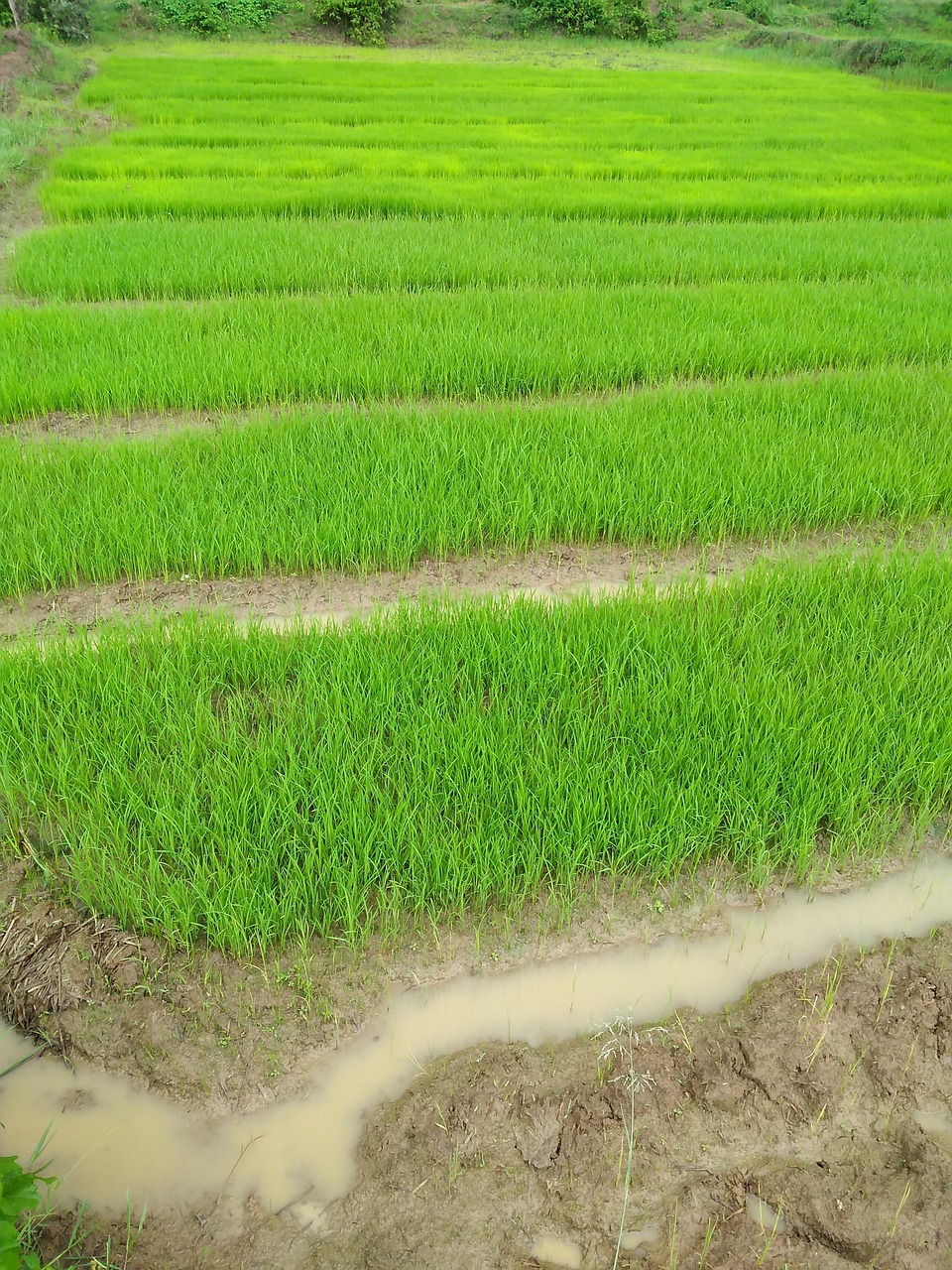
Learn about the advantages of biological fertilizers for soybeans and the importance of SENASA certification to improve the quality of your crops. Get informed now!
Introduction
In the current agricultural context, the use of biological fertilizers for soybeans has become a viable and sustainable alternative to traditional chemical fertilizers. These products not only improve soil health but also offer significant economic and environmental advantages. In Argentina, SENASA certification plays a crucial role in regulating and validating these inputs, ensuring their effectiveness and safety for crops.
Advantages of Biological Fertilizers

Biological fertilizers are organic solutions that provide essential nutrients to soybean plants and help restore soil microbiota. Among the main advantages are:
- Improvement of Soil Health: By promoting microbial activity, these fertilizers help maintain healthier and more fertile soil.
- Environmental Sustainability: Organic farming reduces environmental impact, contributing to biodiversity conservation.
- Increased Productivity: Agronomic studies have shown that biological fertilizers can increase soybean crop yields compared to conventional methods.
- Cost Reduction: Although the initial investment may be higher, in the long run, these fertilizers can reduce operational costs by decreasing dependence on chemical inputs.
Mechanisms of Action of Biological Fertilizers
Biological fertilizers act through various mechanisms that benefit soybean plants. A key aspect is the nutrient assimilation, where microorganisms such as bacteria and fungi solubilize phosphorus and other micronutrients, making them more available to the roots. For example, Rhizobium is a genus of bacteria that forms symbiosis with the roots of legumes, including soybeans, facilitating the fixation of atmospheric nitrogen, an essential process for plant growth. This symbiotic process not only provides nitrogen but can also increase tolerance to water stress, improving crop resilience.
Additionally, biological fertilizers can influence the promotion of plant growth through the production of phytohormones, such as auxins and cytokinins, which stimulate root development and vegetative growth. Recent research has shown that the application of biofertilizers based on Azospirillum can increase the production of auxins in the soil, resulting in a more robust root system and efficient nutrient absorption. A study from the University of Buenos Aires showed that crops inoculated with Azospirillum exhibited an increase of up to 20% in root length, translating to better absorption of water and nutrients.
Practical Application Examples in the Field
A common practice in soybean agriculture is the inoculation of seeds with Rhizobium before planting. Research has shown that this technique can increase soybean yield by 10-30%, depending on soil conditions and the soybean variety used. In trials conducted in the province of Buenos Aires, it was observed that plots treated with biological inoculants showed a significant increase in yield, reaching up to 3,500 kg/ha compared to 2,800 kg/ha in untreated plots. Furthermore, the incorporation of biofertilizers based on Azospirillum demonstrated improved nutrient absorption, resulting in more vigorous plant growth.
Another example can be seen in the region of Entre Ríos, where some farmers have implemented crop rotation with legumes and the use of biological fertilizers, resulting in a 20% increase in soybean yield compared to crops that only use chemical fertilizers. This is because legumes, by fixing nitrogen, enrich the soil, complementing the action of the applied biological fertilizers. A field study conducted in this region showed that soybean crops benefiting from this rotation not only had superior yields but also exhibited greater resistance to pests and diseases.
SENASA Certification
The SENASA certification is essential to ensure that biological fertilizers meet the quality and safety standards established in Argentina. This organization regulates the production and marketing of agricultural inputs, ensuring that the products used in agriculture are safe for the environment and human health.
Biological fertilizers certified by SENASA must meet a series of requirements that guarantee their effectiveness. This includes evaluating their composition, production methods, and studies that support their agronomic effectiveness. Furthermore, certification contributes to producer confidence, as they can be assured they are using a quality product. A study from the National University of Rosario concluded that the use of certified biological fertilizers reduces the incidence of diseases in crops, demonstrating their importance not only in terms of yield but also in the overall health of the crop.
Certification Process
The certification process involves several stages, including sample collection, laboratory analysis, and audits of production facilities. An important aspect is the microbiological evaluation, which ensures that the products contain the specific strains of microorganisms necessary to achieve the expected benefits. For example, a biological fertilizer containing Azospirillum must demonstrate the viability of the cells and their ability to fix nitrogen under field conditions. Additionally, agronomic efficacy trials must be conducted under real cultivation conditions to validate their effective use.
A study conducted by the Faculty of Agronomy at the University of Buenos Aires detailed that the certification process takes approximately six months and requires the submission of technical documentation supporting the production and effectiveness of the input. Accredited laboratories evaluate the concentration of viable microorganisms and their ability to interact with plant roots, which is crucial to ensure that the product meets performance expectations. In this sense, transparency in the certification process is a key factor in fostering trust between producers and consumers.
Benefits of Certification for Producers
Certification not only ensures product quality but also opens up market opportunities. Producers who use certified biological fertilizers can access markets that value sustainable agricultural practices, which can result in better prices for their products. Additionally, certification may be a requirement for accessing financing or subsidies aimed at sustainable agriculture. In a market analysis conducted by INTA, it was shown that soybean products grown with certified biological fertilizers achieved a 15% higher selling price compared to those grown with non-certified chemical inputs.
Moreover, producers using certified biological fertilizers may benefit from greater consumer loyalty, as more buyers seek products from responsible agriculture. This translates into increased demand for organic and certified products, which can contribute to the economic stability of producers. A case study in an agricultural cooperative in Córdoba showed that after adopting certified biological fertilizers, producers experienced an increase in customer loyalty valuing sustainability, resulting in a 30% increase in annual sales.
Comparison with Chemical Fertilizers
The comparison between biological and chemical fertilizers is a constant topic of debate among agricultural producers. While chemical fertilizers offer immediate results in terms of nutrients, they often have negative long-term effects on soil health and the environment. In contrast, biological fertilizers:
- Provide a gradual release of nutrients, favoring more efficient absorption by plants.
- Contribute to improving soil structure, enhancing water and nutrient retention.
- Promote biodiversity in the soil ecosystem, which in turn helps prevent pests and diseases.
Environmental Impact of Chemical Fertilizers
The excessive use of chemical fertilizers has led to soil degradation and contamination of water sources. For example, excess nitrogen can leach and reach water bodies, causing eutrophication, a process that reduces oxygen levels in the water and affects aquatic life. In contrast, biological fertilizers help maintain soil health and minimize these risks, promoting a more balanced nutrient cycle. A case study in the Paraná delta showed that agricultural practices integrating biological fertilizers resulted in a 40% decrease in surface water pollution compared to practices using chemical fertilizers.
Additionally, an analysis conducted by the National Institute of Agricultural Technology (INTA) revealed that excessive application of chemical fertilizers has led to the loss of biodiversity in the soil, negatively affecting the activity of beneficial microorganisms. In contrast, biological fertilizers promote an increase in microbial diversity, which is fundamental for the health and sustainability of the agricultural ecosystem. Recent research indicates that microbial diversity in soils treated with biological fertilizers can increase by up to 50%, contributing to better pest and disease management.
Comparative Yield in Soybean Crops
A study conducted by the National University of La Plata showed that under controlled conditions, soybean crops treated with biological fertilizers had an average yield of 3,200 kg/ha, compared to 2,600 kg/ha for those using chemical fertilizers. This increase was attributed to the improvement in soil microbiota and nutrient availability throughout the plant’s growth cycle. In field trials in the province of Entre Ríos, it was observed that the application of a biofertilizer based on Trichoderma not only increased yield but also reduced the incidence of fungal diseases by 30% compared to conventional treatment.
Another study conducted in the Santa Fe region showed that soybean crops treated with a biological fertilizer based on beneficial microorganisms achieved an 18% increase in yield compared to those that only received chemical fertilization. This increase was related not only to better nutrient availability but also to greater disease resistance, resulting in a healthier and more profitable harvest. Additionally, it was observed that crops treated with biological fertilizers showed less stress during drought periods, highlighting the importance of these inputs in the context of climate change.
Related Articles
- Regenerative Agriculture Soy: Soil Improvement with Bio-stimulants
- Bio-stimulants vs Fertilizers: Key Differences
- Bio-stimulants Regulation in Europe: Changes for Farmers
Need professional help?
At in Argentina, Latin America, we offer agriculture. Call us: +54 11 0000 0000.
Practical Value for Producers
For soybean producers in Argentina, opting for biological fertilizers not only represents a decision aligned with sustainable agricultural practices but can also be an effective business strategy. Today’s consumers increasingly value products that come from responsible and sustainable agricultural practices. This can translate into better prices and access to market niches that prioritize organic agriculture.
Additionally, the use of biological fertilizers can improve crop resilience to adverse weather conditions, resulting in more stable and predictable production. A climate risk analysis conducted by FAO indicates that crops treated with biological fertilizers are 25% more resistant to prolonged droughts, which is a critical factor in the context of climate change. Recent studies in the province of Mendoza have shown that the application of biofertilizers can reduce the need for irrigation by 20%, which not only saves water but also decreases production costs.
On the other hand, the implementation of conservation agriculture techniques along with the use of biological fertilizers has proven effective in improving soil health and long-term sustainability. A study in the province of Mendoza revealed that producers who applied a conservation agriculture system along with biofertilizers increased soil organic matter content by 1.5% over a five-year period, resulting in a significant improvement in their soybean crop productivity.
Case Studies on the Implementation of Biological Fertilizers
A notable success case was observed in the province of Córdoba, where a group of soybean producers implemented a biological fertilization program in 2019. Using a Rhizobium inoculant and a biofertilizer based on Azospirillum, the producers reported a 25% increase in their crop yields compared to previous years when chemical fertilizers were used. Additionally, production costs were reduced by 15% due to decreased need for chemical inputs and improved nutrient use efficiency. In another case in Santa Fe, a producer who implemented a crop rotation system along with biological fertilizers not only increased production but also improved soil quality, increasing organic matter content by 2% over three years.
Similarly, in the region of Entre Ríos, a group of agricultural cooperatives adopted the use of biofertilizers in their cultivation practices. As a result, a productivity increase of up to 30% was documented compared to crops that did not use these inputs. Furthermore, producers noted an improvement in soil biodiversity, which contributed to a reduction in the incidence of pests and diseases, allowing for a more sustainable management approach with less dependence on chemical pesticides. These results demonstrate the ability of biological fertilizers to transform agricultural production, offering both economic and environmental benefits.
Challenges and Considerations in the Transition to Biological Fertilizers
Despite the numerous advantages, the transition to biological fertilizers can present challenges. Lack of knowledge about their proper use, resistance to change by some producers, and limited availability of certified products can be obstacles. It is essential that producers receive training and technical advice to maximize the benefits of these inputs. Agricultural extension programs and practical workshops can be effective tools to educate producers on best practices in the use of biological fertilizers. Additionally, it is crucial to establish collaboration networks between producers and agronomists to facilitate the exchange of experiences and continuous learning in the use of these innovative technologies.
Moreover, producers must consider that the effectiveness of biological fertilizers may depend on factors such as soil conditions, climate, and agronomic management practices. Therefore, it is important to conduct an adequate diagnosis of local conditions and adapt fertilization strategies to the specific needs of each field. A study from the National University of La Plata highlights that personalizing biological fertilizer applications, considering soil and crop characteristics, can result in yield increases of up to 40% compared to standard applications. This personalized approach not only maximizes yield but also optimizes resource use and minimizes environmental impact.
Future Potential of Biological Fertilizers
The future of biological fertilizers is promising, especially as agriculture faces challenges such as climate change and the need to increase food production sustainably. Research and development of new biofertilizers are constantly evolving, opening the door to innovative solutions that can address specific problems in soybean cultivation. For example, mixtures of microorganisms are being developed that not only fix nitrogen but also improve the availability of other nutrients like phosphorus and potassium, which are essential for soybean growth.
Additionally, the integration of precision technologies and monitoring in the use of biological fertilizers can further optimize their application. The use of soil sensors and data analysis can help producers determine the exact timing and amount of biofertilizers needed, thereby maximizing their effectiveness and minimizing costs. A study from the National University of Litoral demonstrated that data-driven biofertilizer applications increased yield by 15% compared to conventional applications, underscoring the importance of technology in modern agriculture.
Finally, collaboration between the academic sector, industry, and producers will be crucial to promote the use of biological fertilizers. The creation of strategic alliances can facilitate the transfer of technology and knowledge, promoting more sustainable and profitable agricultural practices. As the demand for sustainable agricultural products continues to grow, biological fertilizers will position themselves as a key tool for achieving more responsible and efficient agriculture in the future.
Related Articles
- Home
- Regenerative Agriculture in Vegetables: Ecoganic Bio-stimulants
- Regenerative Agriculture Soy: Soil Improvement with Bio-stimulants
Frequently Asked Questions
What are biological fertilizers?
Biological fertilizers are organic products that provide nutrients to plants and improve soil health, unlike chemical fertilizers that can have long-term negative effects.
How are biological fertilizers certified by SENASA?
SENASA certification involves a rigorous evaluation of the composition and effectiveness of fertilizers, ensuring they meet the quality and safety standards established in Argentina.
What are the advantages of using biological fertilizers for soybeans?
Advantages include improved soil health, environmental sustainability, increased productivity, and reduced long-term operational costs.
Are biological fertilizers more expensive than chemical ones?
The initial investment may be higher, but in the long run, biological fertilizers can be more economical due to reduced chemical inputs and increased sustainable productivity.