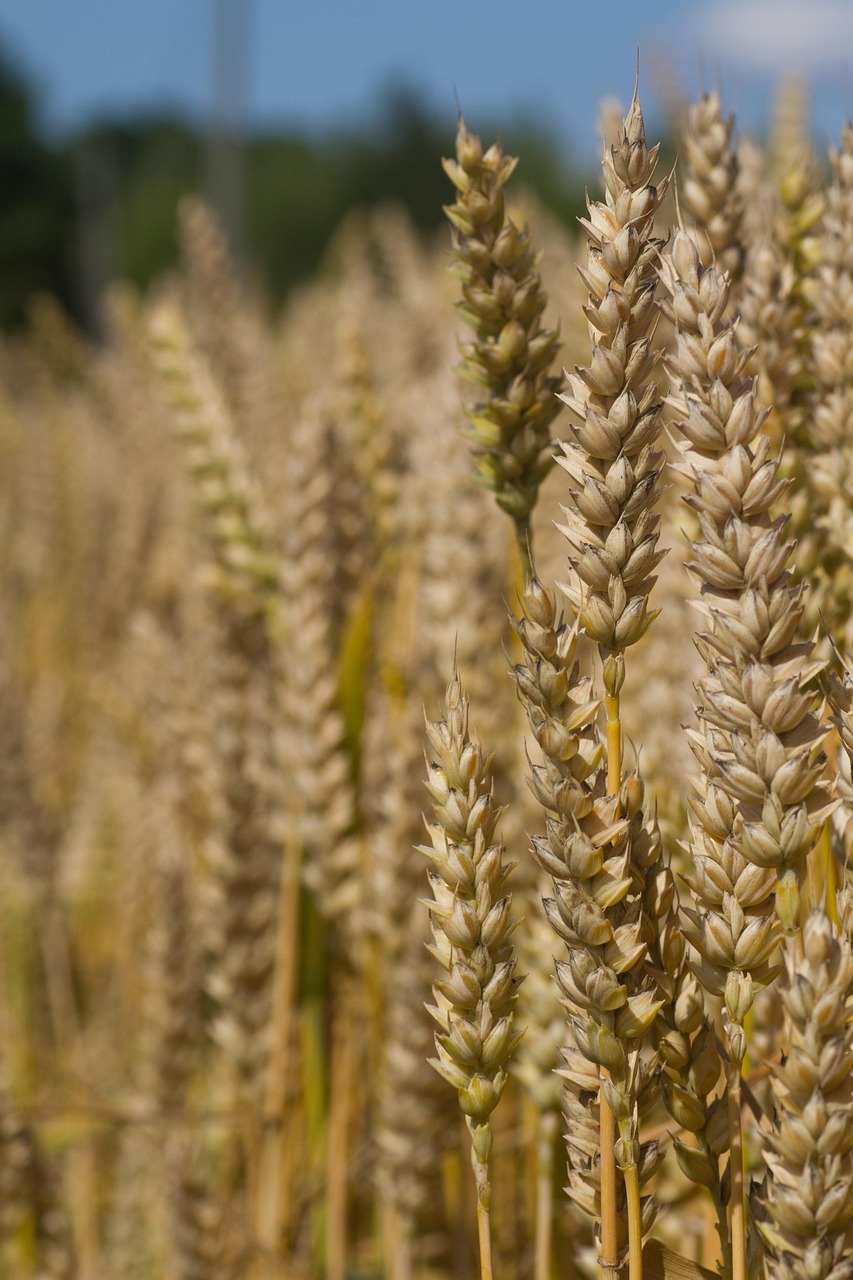
Discover how to apply organic fertilizer for potatoes in Argentina, with recommended doses and benefits that will improve your crop. Optimize your production!
Introduction
The use of organic fertilizers for potatoes has become essential in modern agriculture, especially in Argentina. These fertilizers help improve soil quality, increase productivity, and contribute to the sustainability of the crop. In this article, we will explore the best practices for applying organic fertilizers in potato crops, as well as their benefits and the current regulations governing their use in the country. For more information visit our website.
Benefits of organic fertilizer

Organic fertilizers offer multiple benefits for potato crops. Among the most notable are:
- Improvement of soil quality: Organic fertilizers enrich the soil with organic matter, increasing its capacity to retain water and nutrients. A study conducted by the National University of La Plata indicates that the incorporation of 5,000 kg/ha of compost can increase water retention capacity by 20%, which is crucial in regions with water scarcity.
- Growth stimulation: These fertilizers promote the development of beneficial microorganisms that help plants better absorb nutrients. Research has shown that the use of compost increases the population of beneficial bacteria and fungi in the soil, which can result in up to a 30% increase in nitrogen absorption by plants.
- Reduction of chemical inputs: By using organic fertilizers, dependence on synthetic chemical products is reduced, favoring more sustainable agriculture. According to data from the Ministry of Agriculture, Livestock, and Fisheries of Argentina, the use of organic fertilizers has allowed for a 25% reduction in the use of chemical fertilizers in some regions.
- Better taste and quality of the product: Crops treated with organic fertilizers tend to have better taste and quality, which translates into greater market acceptance. A market analysis showed that potatoes grown with organic fertilizers achieved 15% higher prices compared to those grown with synthetic fertilizers.
Application and recommended doses
The proper application of organic fertilizers is crucial to maximize their benefits. Below are some recommendations:
1. Choice of fertilizer
There are different types of organic fertilizers, such as compost, manure, and biostimulants. It is important to select the right type according to the specific needs of the potato crop and the characteristics of the soil. For example, compost is ideal for improving soil structure and increasing organic matter, while manure provides nutrients more quickly. A recommended practice is to conduct a soil analysis to determine nutrient deficiencies and adjust the choice of fertilizer accordingly.
2. Recommended doses
The dose of organic fertilizer will depend on several factors, such as the type of fertilizer used, the soil analysis, and the growth stage of the plant. As a general rule, it is recommended to apply between 2,000 and 4,000 kg/ha of well-decomposed compost or manure before planting. For biostimulants, the dose can vary between 1 and 2 liters per hectare, depending on the specific product used. Additionally, in potato crops, it is advisable to make split applications during the growth cycle, especially during the tuberization phase, when nutritional needs are higher.
3. Method of application
The application of organic fertilizers can be done in various ways, such as:
- Incorporation into the soil: Mixing the organic fertilizer with the soil before planting ensures an even distribution of nutrients. This can be achieved using plows or cultivators. A study in the province of Mendoza demonstrated that incorporating compost into the soil increased potato yield by 18% compared to the control without fertilization.
- Foliar application: Some biostimulants can be applied directly to the leaves to improve nutrient absorption. This technique is especially effective in crops that show visible nutritional deficiencies. In a trial conducted in the province of Tucumán, it was observed that foliar application of a biostimulant based on algae extracts increased chlorophyll content in the leaves by 25%, improving photosynthesis and, therefore, crop yield.
SENASA regulations
In Argentina, the use of organic fertilizers is regulated by the National Service of Agrifood Health and Quality (SENASA), which establishes standards to ensure the quality and safety of these products. It is essential for farmers to be informed about the current regulations and ensure that the fertilizers used are registered and meet the required standards. This not only guarantees the quality of the final product but also protects the environment and public health. The regulations include aspects such as product identification, composition, and contaminant limits, ensuring that organic fertilizers do not contain pathogens that could affect human or animal health.
Additional benefits of organic fertilizers
In addition to the benefits already mentioned, organic fertilizers provide additional advantages that are essential for sustainable agriculture.
1. Increase in soil biodiversity
The use of organic fertilizers promotes soil biodiversity, which is fundamental for ecosystem health. The organic matter in organic fertilizers serves as food for various soil organisms, including earthworms, insects, and microorganisms. A more diverse soil is more resistant to diseases and pests, reducing the need for chemical pesticides. Studies have shown that soils treated with compost have 50% more microbial diversity compared to soils treated only with chemical fertilizers.
2. Improvement of soil structure
Organic fertilizers improve soil structure, resulting in better aeration and less compaction. This is especially important in clay soils that tend to compact and hinder root growth. Incorporating organic matter can increase soil porosity by 30%, allowing for better root development and greater absorption of water and nutrients.
3. Carbon capture
The application of organic fertilizers contributes to carbon capture in the soil, helping to mitigate climate change. Organic matter is associated with carbon capture, as the carbon found in plant residues and manure is stored in the soil. It is estimated that agricultural soils can store up to 1 billion tons of carbon if sustainable management practices, such as the use of organic fertilizers, are implemented.
4. Residual effect
Organic fertilizers not only benefit the current crop but also have a residual effect on the soil. This means that the organic matter and nutrients released continue to benefit successive crops. A study in the province of Córdoba demonstrated that applying compost in one year resulted in a yield increase of up to 15% in successive crops compared to those that did not receive organic fertilization.
Practical examples of field application
The implementation of organic fertilizers in potato crops in Argentina has shown positive results in various regions. Below are some practical examples:
1. Composting project in Salta
In the province of Salta, a group of farmers implemented a composting project using organic waste from their farms. They produced high-quality compost that was applied to potato crops. The results showed a 20% increase in yield and a 30% reduction in the use of chemical fertilizers. Additionally, the soil improved its structure, facilitating drainage and moisture retention.
2. Use of manure in Jujuy
In Jujuy, farmers have begun using livestock manure as organic fertilizer. Applications are made before planting and during plant growth. Studies conducted in this region have shown that the use of manure can increase potato yield by 25% compared to crops that only use chemical fertilizers.
3. Application of biostimulants in Tucumán
In Tucumán, the application of biostimulants based on algae extracts has been implemented in potato crops. Farmers have reported significant improvements in plant growth and tuber quality, with a 15% increase in soluble solids content, improving taste and market acceptance.
4. Integration of agroecological techniques in Mendoza
In Mendoza, several producers have adopted an agroecological approach that combines the use of organic fertilizers with sustainable cultivation techniques. They implemented crop rotation and cover crops to increase soil biodiversity. By applying 3,000 kg/ha of compost along with soil conservation practices, they achieved a 22% increase in potato yield, as well as a notable improvement in agricultural ecosystem health.
5. Experience of intercropping in Neuquén
Farmers in Neuquén have begun experimenting with intercropping potatoes and legumes, using organic fertilizers such as compost and manure. This method not only improves soil fertility but also reduces pest and disease pressure. In trials conducted, an 18% increase in potato yield was observed compared to isolated potato crops, thanks to the synergy between the cultivated species.
Conclusion
The implementation of organic fertilizers in potato cultivation in Argentina is a practice that not only improves soil quality and crop yield but also contributes to more sustainable agriculture. By following application recommendations and complying with SENASA regulations, farmers can optimize their crops and obtain high-quality products. For more information about our products, feel free to contact us.
Considerations on the application of organic fertilizers
The application of organic fertilizers requires careful planning and a deep understanding of soil conditions and crop needs. Below are some additional considerations that may influence the effectiveness of these fertilizers.
1. Soil analysis
Conducting a soil analysis is a fundamental step before applying any type of fertilizer. This analysis provides information about pH, texture, organic matter, and nutrient levels present in the soil. For example, if an analysis reveals a pH below 5.5, it may be necessary to apply amendments to correct acidity before applying organic fertilizers, as an inadequate pH can limit the availability of essential nutrients for potatoes, such as phosphorus. A case study in the province of Santa Cruz showed that correcting pH through lime amendments increased phosphorus availability in the soil by 40%, resulting in better crop yield.
2. Timing of application
The timing of organic fertilizer application is also crucial. Generally, application should occur at key stages of the potato growth cycle. An initial application before planting is recommended to ensure that nutrients are available from the start. Subsequently, additional applications can be made during active growth, especially during the tuberization stage. A trial in the province of San Juan showed that applications made during tuberization increased tuber size by 20% compared to crops that received a single application at the beginning. This is especially important, as tuber size is a critical factor for marketing.
3. Combination of fertilizers
The combination of different types of organic fertilizers can be beneficial. For example, mixing compost with manure can provide a more balanced release of nutrients, benefiting both soil structure and fertility. Additionally, some farmers have begun experimenting with the application of organic fertilizers alongside beneficial microorganisms, such as rhizobacterial inoculants, to further enhance nutrient absorption. A study in the province of Santa Fe demonstrated that combining compost with bacterial inoculants increased potato yield by 15% compared to using compost alone. This synergy between organic fertilizers and microorganisms highlights the importance of a holistic approach to fertilization.
4. Monitoring and adjusting practices
It is important to monitor plant growth and soil health after the application of organic fertilizers. This includes observing signs of nutrient deficiencies, as well as conducting periodic soil analyses to assess how fertilization practices are affecting soil quality over time. Adjusting fertilization practices based on observation and analysis can lead to continuous improvement in crop yield. For example, if plants show signs of potassium deficiency, it may be necessary to adjust organic fertilizer doses or supplement with specific fertilizers containing potassium. A case in the province of Buenos Aires showed that correcting nutritional deficiencies through adjustments in fertilization resulted in a 25% increase in potato yield in the following harvest.
5. Training and education
Finally, training and educating farmers on the use of organic fertilizers is essential. Agricultural extension programs and workshops can help producers better understand organic fertilization practices and share successful experiences. In several provinces, networks of farmers have been established where experiences on the use of organic fertilizers are shared, leading to an increase in the adoption of these sustainable practices. A training program in the province of Entre Ríos resulted in a 30% increase in the adoption of organic fertilizers among local farmers, demonstrating the importance of education in the transition to more sustainable agricultural practices.
Related articles
Need professional help?
In in Argentina, Latin America, we offer agriculture. Call us: +54 11 0000 0000.
Recent research on organic fertilizers
Research on the use of organic fertilizers in potato cultivation in Argentina has advanced significantly in recent years. This research has allowed for a better understanding of the interactions between organic fertilizers and soil, as well as their impact on crop yield.
1. Effect of different types of compost
Recent studies have evaluated the effect of different types of compost on potato yield. Research in the province of Neuquén has shown that compost made from food industry waste has a higher nutrient content and significantly improves tuber production compared to compost from agricultural waste. In controlled trials, the use of food industry waste compost increased yield by 35% compared to the control, highlighting the importance of properly selecting the source of organic matter.
2. Comparison between organic and chemical fertilizers
A comparative study conducted in the province of Santa Fe analyzed the yield of potato crops fertilized with a combination of organic and chemical fertilizers versus those fertilized exclusively with chemicals. The results showed that crops receiving organic fertilization along with chemical fertilizers achieved a yield 20% higher compared to those that only received chemical fertilizers. This finding suggests that combining both types of fertilizers can be an effective strategy to maximize production and improve soil health.
3. Long-term impact on soil health
Long-term research has shown that the continuous application of organic fertilizers improves soil health and its ability to retain nutrients and water. A study conducted in the province of Córdoba over five years showed that soils treated with compost exhibited an annual increase in organic matter of 1.5%, as well as improvements in soil structure and biological activity. These changes not only benefit potato crops but also contribute to the sustainability of the agricultural system as a whole.
4. Use of microorganisms in organic fertilization
The incorporation of beneficial microorganisms in the application of organic fertilizers has shown promising results. Recent research has indicated that the use of microbial inoculants along with compost can increase the availability of nutrients such as phosphorus and potassium. A study in the province of Tucumán showed that adding a rhizobacterial inoculant to compost applied in potato crops increased phosphorus absorption by 30%, resulting in a 20% yield increase compared to using compost alone.
5. Life cycle assessment of organic fertilizers
The life cycle assessment of organic fertilizers is an emerging approach that allows for analyzing not only agronomic benefits but also the environmental impacts associated with their production and use. A recent study evaluated the life cycle of compost produced from urban waste compared to chemical fertilizers, concluding that compost has a significantly lower carbon footprint. This highlights the importance of promoting the use of organic fertilizers in the context of sustainable agriculture and climate change mitigation.
Related articles
- Home
- Biological Fertilizers for Corn: Advantages and SENASA Certification
- Regenerative Agriculture in Rice: Ecoganic Biostimulants
Frequently Asked Questions
What are the benefits of using organic fertilizers for potatoes?
Organic fertilizers improve soil quality, stimulate plant growth, reduce chemical inputs, and enhance the taste and quality of the product.
What doses are recommended for applying organic fertilizer to potatoes?
It is recommended to apply between 2,000 and 4,000 kg/ha of well-decomposed compost or manure and 1 to 2 liters of biostimulants per hectare.
How is organic fertilizer applied?
Organic fertilizer can be incorporated into the soil before planting or applied foliarly during growth.
What regulations govern the use of organic fertilizers in Argentina?
The use of organic fertilizers is regulated by SENASA, which establishes standards to ensure their quality and safety.