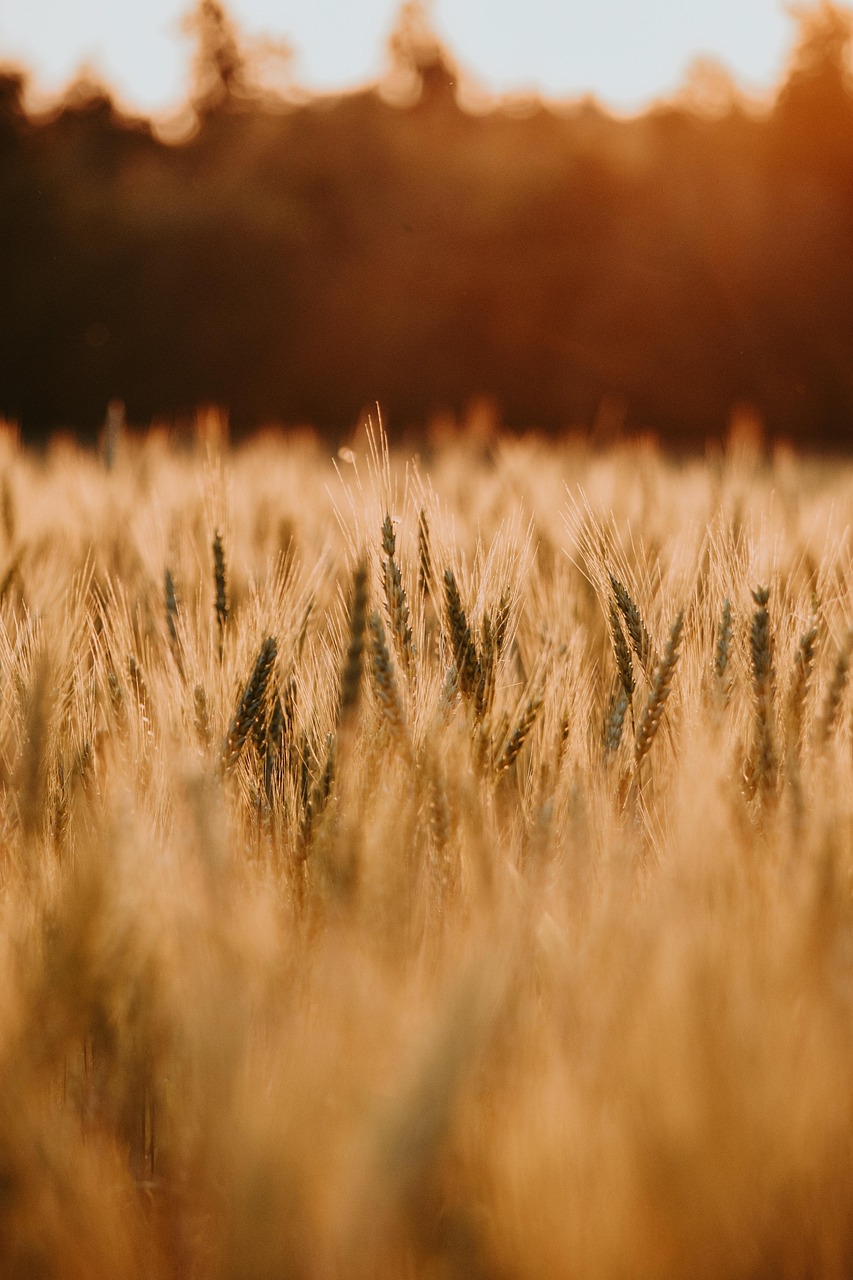
Discover everything about organic fertilizer for pastures in Argentina: application, dosage, and benefits that will enhance your agricultural production.
Introduction
In modern agriculture, the use of organic fertilizer for pastures in Argentina has become an essential practice to improve soil quality and increase crop yield. These fertilizers, regulated by SENASA, are ideal for promoting sustainable and healthy pasture development, contributing to organic farming in the country.
How to apply organic fertilizer in pastures

The application of organic fertilizer in pastures requires a technical approach to maximize its benefits. It is recommended to follow these steps:
- Soil preparation: Before applying the fertilizer, it is essential to conduct a soil analysis to determine its specific needs.
- Application timing: The best time to apply organic fertilizer is during spring and autumn, coinciding with the active growth stages of the pastures.
- Application method: A spreader can be used to ensure even distribution. Incorporation into the soil can be done through plowing or raking.
Additional considerations
It is crucial to comply with current SENASA regulations to ensure adherence to regulations and food safety. Additionally, the application of organic fertilizers should be accompanied by appropriate agronomic management practices, such as crop rotation and the use of cover crops, which help preserve soil health and maximize nutrient use efficiency.
Soil analysis and its importance
Soil analysis is a critical process that allows for the identification of nutrient deficiencies and the physicochemical characteristics of the soil. This analysis should include the evaluation of pH, organic matter, nutrient content such as nitrogen, phosphorus, and potassium, as well as soil texture. For example, soil with a pH below 6 may require lime amendments before applying organic fertilizers, while highly acidic soils may benefit from the addition of calcium-rich organic matter. Recent studies indicate that an optimal pH between 6 and 6.5 favors nutrient availability, which is critical for pasture growth.
Example of practical application
On a farm in the province of Córdoba, a soil analysis revealed a nitrogen deficiency and low organic matter. It was decided to apply 600 kg of compost per hectare in autumn, followed by adequate irrigation. As a result, a 25% increase in forage production was observed in the following season, demonstrating the effectiveness of applying organic fertilizer in improving pasture yield. Additionally, an increase in the diversity of grass species was recorded, indicating a healthier and more balanced soil.
Benefits of organic fertilizer for pastures
The benefits of using organic fertilizer in pastures are numerous:
- Improves soil fertility: Increases organic matter, which improves structure and moisture retention. Studies have shown that incorporating organic matter can increase the soil’s water retention capacity by 30%. This is especially beneficial in regions with water stress, where adequate water retention can be a key factor for forage production.
- Promotes biodiversity: Encourages biological activity in the soil, contributing to a healthier ecosystem. The presence of beneficial microorganisms, such as nitrogen-fixing bacteria and mycorrhizal fungi, increases with the use of organic fertilizers. A soil with diverse microbiota not only improves plant health but also increases resistance to pathogens and diseases.
- Reduction of chemical inputs: Decreases dependence on synthetic fertilizers, benefiting environmental health. Organic farming can reduce the carbon footprint of agricultural production by 20% by decreasing the application of chemical fertilizers. This translates into a lower risk of groundwater contamination and reduced soil erosion.
Impact on animal health
The use of organic fertilizers also has a positive impact on animal health. Healthier and nutrient-rich pastures lead to higher quality feed for livestock, resulting in increased milk and meat production. A study conducted in the province of Buenos Aires showed that the use of organic fertilizers increased the protein content in forage by 15%, improving the livestock diet. Additionally, it has been observed that forage produced on organically fertilized soils has greater palatability, enhancing feed intake by livestock.
Case studies on benefits
A study conducted in the Entre Ríos region compared the production of pastures fertilized with compost against those fertilized with chemical products. The results showed that pastures treated with compost not only had higher yields but also exhibited greater resistance to pests and diseases, resulting in lower phytosanitary control costs. Furthermore, the use of organic fertilizers was associated with an increase in pollinator activity, crucial for the overall health of the agricultural ecosystem.
Recommended dosage of organic fertilizer in Argentina
The dosage of organic fertilizer to be applied will depend on several factors, including the type of pasture and soil characteristics. However, a general dosage of between 500 kg to 1000 kg per hectare annually is suggested for optimal results. It is advisable to conduct a prior soil analysis to adjust this dosage according to the specific needs of the crop. For example, in soils with high clay content, it may be beneficial to apply lower doses in the initial stage and gradually increase as soil structure improves.
Factors influencing dosage
Several factors can influence the dosage of organic fertilizer to be applied. These include:
- Type of pasture: High-production pastures, such as alfalfa or clover, may require higher doses of organic fertilizers compared to grass pastures. For example, it has been documented that alfalfa can extract between 150 and 200 kg of nitrogen per hectare, justifying the need for adequate fertilization.
- Climatic conditions: In years of high precipitation, nutrient leaching may be greater, which may justify an increase in dosage. A study in the Pampas region showed that in years of excessive rainfall, the application of organic fertilizers helped mitigate nutrient loss due to runoff.
- Management practices: Implementing practices such as crop rotation and the use of cover crops can improve nutrient use efficiency, allowing for adjustments in the dosage of organic fertilizer. For instance, rotation with legumes can increase nitrogen availability, potentially reducing the need for additional fertilization.
Example of dosage calculation
As an example, if a soil analysis indicates a nitrogen deficiency in an alfalfa pasture field, it could be calculated that approximately 120 kg of nitrogen per hectare is needed. If a compost containing 2% nitrogen is used, about 6000 kg of compost per hectare would need to be applied to meet that requirement, highlighting the importance of conducting a detailed analysis and precise dosage calculation. This type of calculation is crucial to avoid over-fertilization, which can lead to contamination issues and affect soil health.
Types of organic fertilizers for pastures
There are different types of organic fertilizers that can be used in pastures, including:
- Compost: Rich in nutrients and organic matter, ideal for improving soil structure. Compost can be made from agricultural residues, manure, and organic waste, providing a balance of nutrients that favor plant growth. The composting process, which involves the aerobic decomposition of organic matter, can increase the availability of nutrients such as phosphorus and potassium.
- Manure: Provides essential nutrients and improves water retention capacity. Livestock manure, such as from cows or horses, is particularly beneficial due to its nitrogen and phosphorus content. A study has shown that cow manure can contain between 0.5 and 1.5% nitrogen, 0.2 to 0.5% phosphorus, and 0.5 to 1% potassium, depending on the livestock’s diet.
- Biostimulants: Products that enhance plant growth and optimize the use of available nutrients. Biostimulants can include seaweed extracts, humates, and beneficial microorganisms that help plants adapt to adverse conditions. For example, seaweed extracts have been shown to increase resistance to water stress and improve root growth.
Comparison of organic fertilizers
When choosing an organic fertilizer, it is important to consider its nutritional properties. For instance, compost may contain a broader balance of nutrients compared to manure, which may be richer in nitrogen but deficient in other micronutrients. On the other hand, biostimulants can be used in conjunction with other fertilizers to maximize their effectiveness, enhancing the growth and health of pastures. The combination of compost and biostimulants has proven effective in improving forage quality, increasing dry matter content and nutritional value.
Practices for applying organic fertilizers
To ensure effective application of organic fertilizers, some recommended practices should be followed, such as:
- Incorporation into the soil: Incorporating the fertilizer into the soil through plowing or raking helps improve nutrient availability for plants. It has been shown that incorporating compost into the topsoil can increase microbial activity by 40% compared to surface application.
- Application under suitable conditions: Avoid applying during periods of heavy rain or in saturated soils to prevent runoff and nutrient loss. A study in the Litoral region showed that applying organic fertilizers under dry soil conditions increased nutrient absorption efficiency by 25%.
- Monitoring and adjustment: Monitor pasture growth and adjust fertilizer dosage as needed, based on observations and periodic analyses. Implementing monitoring technologies, such as moisture sensors and real-time nutrient analysis, can facilitate this process and optimize fertilizer use.
Conclusion
The use of organic fertilizer for pastures in Argentina not only improves soil quality and crop yield but also contributes to more sustainable agriculture. For more information about our organic fertilizer products, visit our product page or contact us for personalized advice.
Advances in research on organic fertilizers
Research and development in the field of organic fertilizers have advanced significantly in recent years, providing new opportunities to improve the efficiency and effectiveness of these inputs. Various studies have demonstrated the importance of microorganisms in the decomposition of organic matter and the release of nutrients available to plants. Soil microbiology plays a fundamental role in nutrient transformation, and the introduction of specific microorganisms through inoculants can further enhance the effectiveness of organic fertilizers.
Beneficial microorganisms in organic fertilizers
Modern organic fertilizers often include inoculants of microorganisms that can improve nutrient availability. For example, bacteria of the genus Rhizobium are known for their ability to fix atmospheric nitrogen in symbiosis with legumes, which can increase nitrogen availability in the soil. Additionally, mycorrhizal fungi form symbiotic associations with plant roots, improving the absorption of phosphorus and other micronutrients. A recent study showed that the application of a mycorrhizal fungi inoculant in combination with compost increased forage production by 30% compared to compost alone.
Organic fertilizers from industrial waste
Another significant advance in the organic fertilizer industry is the use of industrial waste as raw material. For example, waste from the sugarcane industry, such as bagasse, can be transformed into nutrient-rich organic fertilizers. These products not only help reduce the amount of waste generated but also provide an economical and sustainable source of nutrients for pastures. Research has shown that the use of these fertilizers derived from industrial waste can improve soil structure and increase pasture production by 20% compared to conventional fertilizers.
Related articles
Need professional help?
In in Argentina, Latin America, we offer agriculture. Call us: +54 11 0000 0000.
Future perspectives for the use of organic fertilizers
As agriculture moves towards more sustainable practices, the use of organic fertilizers is set to grow. Government policies and organic certification initiatives are driving farmers to adopt more sustainable practices. Moreover, the increasing consumer demand for organic products is fostering research and development of new organic fertilizer formulations that are more effective and easier to apply.
Development of specialized organic fertilizers
The industry is also beginning to develop specialized organic fertilizers that cater to the specific needs of different types of crops and soils. For example, products are being formulated that contain a specific nutrient mix for high-production pastures, allowing farmers to maximize their crop yields. These formulations may include not only macro and micronutrients but also biostimulants that enhance root growth and disease resistance.
Education and training in the use of organic fertilizers
Educating and training farmers in the proper use of organic fertilizers is crucial to ensure their effectiveness and sustainability. Training programs that teach farmers about the importance of soil analysis, choosing the right fertilizers, and application techniques can help improve pasture yields and soil health. Additionally, collaboration between researchers, extension agents, and producers is essential for disseminating innovative and effective practices in the use of organic fertilizers.
Integration of technologies in the application of organic fertilizers
The modernization of agriculture has also led to the integration of technologies in the application of organic fertilizers. The use of drones for precise fertilizer application and data management systems to monitor soil health and plant growth are examples of how technology is transforming this sector. These advances allow for more efficient and effective application of inputs, optimizing resources and minimizing environmental impact.
Research on the long-term effects of organic fertilizers
It is essential to continue researching the long-term effects of organic fertilizers on soil health and pasture productivity. Longitudinal studies that evaluate the evolution of soil properties, such as organic matter, microbial activity, and nutrient retention, will provide valuable information on the sustainability of these practices. For example, research in northern Argentina has shown that the continuous application of compost improves soil structure over time, increasing its capacity for water and nutrient retention.
Frequently Asked Questions
What are the benefits of organic fertilizer for pastures?
Organic fertilizers improve soil fertility, promote biodiversity, and reduce dependence on chemical inputs.
How is organic fertilizer applied in pastures?
It is recommended to prepare the soil, apply in spring and autumn, and use a spreader for even distribution.
What dosage of organic fertilizer is recommended for pastures?
A dosage of between 500 kg to 1000 kg per hectare annually is suggested, adjusting according to soil analysis.
What types of organic fertilizers are best for pastures?
The most recommended include compost, manure, and biostimulants.