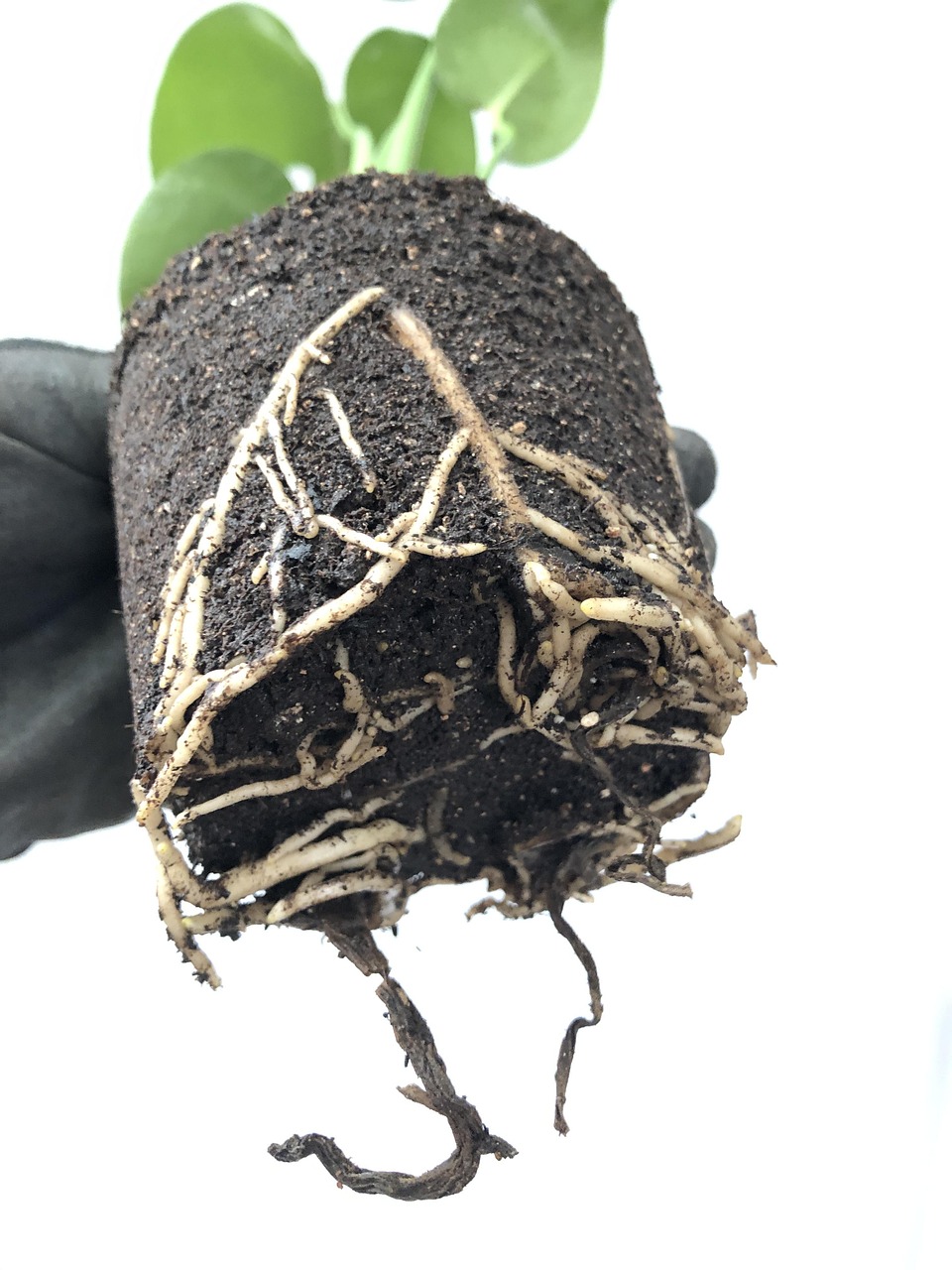
Ecological nitrogen for potatoes: learn about its advantages, how it compares to urea, and its use in Argentina. Contact us for more information and advice.
Introduction
The use of ecological nitrogen in potato crops has become a sustainable and efficient alternative to conventional fertilizers such as urea and ammonium nitrate. In Argentina, where potato production is key to agriculture, it is essential to explore options that not only improve crop yields but also preserve soil health and comply with SENASA regulations. In this article, we will analyze the benefits of ecological nitrogen for potatoes and how to implement it effectively in your production.
Benefits of Ecological Nitrogen for Potatoes

Ecological nitrogen offers multiple benefits that position it as a superior option to chemical fertilizers. Some of these benefits include:
- Improves soil health: Increases microbial biodiversity, essential for fertile and productive soil. Soil microorganisms, such as bacteria and fungi, play a crucial role in the decomposition of organic matter and the release of nutrients.
- Reduction of pollution: Minimizes nitrate leaching into groundwater, contributing to a cleaner environment. A study conducted by the National Institute of Agricultural Technology (INTA) demonstrated that the use of ecological nitrogen reduces pollution by 30% compared to urea.
- Greater absorption efficiency: Facilitates nutrient assimilation by the plant, resulting in better yields. Research indicates that the use of ecological nitrogen can increase nitrogen use efficiency by 20%.
- SENASA Certification: Bio-stimulants containing ecological nitrogen are regulated and can be used in organic agriculture, ensuring their quality and effectiveness. This allows producers to access growing markets that value sustainable production.
Improvement of Microbial Biodiversity
Ecological nitrogen promotes the activity of beneficial microorganisms in the soil, such as nitrogen-fixing bacteria and mycorrhizal fungi. These organisms not only assist in nitrogen fixation but also improve soil structure, increasing its capacity to retain water and nutrients. A more vibrant and diverse soil is crucial for potato cultivation, which is sensitive to compaction and nutrient deficiency. For example, inoculating potato crops with mycorrhizae can result in a 30% increase in phosphorus absorption, an essential nutrient for root development. Studies have shown that its application can increase tuber production by 20% compared to soils lacking this microbial diversity.
Impact on Water Quality
The excessive use of synthetic nitrogen fertilizers such as urea and ammonium nitrate contributes to the pollution of water bodies due to agricultural runoff. This can cause eutrophication, negatively affecting aquatic life. On the other hand, ecological nitrogen, being of organic origin, tends to be released more gradually, reducing the risk of leaching and groundwater contamination. Studies in the Cuyo region have revealed that the use of ecological nitrogen can decrease nitrate concentration in groundwater by 40%, representing a significant improvement in water quality. Additionally, the use of drip irrigation systems, along with the application of ecological nitrogen, has further reduced runoff and contamination, contributing to more efficient water use.
Alternatives to Urea in Potato Agriculture
Urea has been a widely used fertilizer in agriculture; however, its excessive use can lead to soil and environmental health issues. Below are some viable alternatives:
- Ecological nitrogen: Derived from natural sources that enhance soil fertility without the negative effects of urea. This type of nitrogen can be obtained from organic waste, such as manure, compost, or cover crops.
- Composting: The use of organic compost can provide nitrogen and other essential nutrients, improving soil structure. A study from the National University of La Plata showed that compost can supply up to 25% of the nitrogen needs of potato crops, in addition to enhancing soil biological activity. Compost not only provides nitrogen but also microorganisms that promote soil health. The application of compost in potato crops has been shown to increase moisture retention in the soil, which is especially beneficial in regions with water stress.
- Bio-stimulants: Products that stimulate plant growth and health, often based on algae extracts or microorganisms. For example, seaweed extracts have been shown to be effective in improving drought stress tolerance and increasing potato crop yields. Research has shown that the use of algae-based bio-stimulants can increase potato yield by up to 15% under stress conditions.
Case Studies on the Use of Compost
In an experiment conducted in the province of Mendoza, the yield of potato crops fertilized solely with urea was compared to those that received a combined treatment of compost and ecological nitrogen. The results showed a 15% increase in the yield of crops that received the combination, as well as an improvement in tuber quality. This type of study highlights the importance of integrating organic fertilization practices to maximize benefits in terms of yield and sustainability. Additionally, the application of compost has been shown to reduce the incidence of diseases in plants, contributing to healthier and more profitable production.
How to Use Ecological Nitrogen in Potato Crops
To maximize the benefit of ecological nitrogen in your potato crops, it is recommended to follow these steps:
- Soil assessment: Conduct a soil analysis to determine specific nitrogen needs. It is advisable to perform a soil analysis every two years to adjust fertilization practices. This will allow for the identification of not only the amount of nitrogen available but also other essential nutrients such as phosphorus and potassium, which are crucial for potato growth. Tools such as soil sampling at different depths can provide more accurate information about nutrient availability in the soil profile.
- Product selection: Choose a SENASA-certified bio-stimulant that contains ecological nitrogen. These products can come in liquid or granular form, depending on your preferred application practices. It is important to read labels and ensure that the product contains beneficial microorganisms and nutrients that complement potato nutrition. The choice of products containing amino acids can also be beneficial, as these compounds help improve nutrient absorption.
- Application: Apply ecological nitrogen at key growth stages of the potato, especially during vegetative development and flowering. A well-structured fertilization plan may include applications at planting time, 4 weeks after planting, and again during flowering. Foliar applications of bio-stimulants can also be beneficial, especially during times of water stress. Application in the form of fertigation can maximize nitrogen availability for the plants.
Example of a Fertilization Plan
A farmer in the province of Buenos Aires implemented a fertilization plan based on ecological nitrogen, applying compost at a rate of 5 tons per hectare at planting time and a liquid algae-based bio-stimulant at 4 weeks. As a result, the farmer reported a 20% increase in crop yields compared to previous years using only urea. This type of practice demonstrates how the integration of ecological fertilizers can transform crop productivity. Additionally, this farmer observed an improvement in tuber quality, with an increase in size and uniformity, allowing him to access premium markets.
Comparison between Ecological Nitrogen and Ammonium Nitrate
Ammonium nitrate, while effective, has disadvantages that ecological nitrogen does not present:
| Criterion | Ecological Nitrogen | Ammonium Nitrate |
|---|---|---|
| Environmental impact | Low | High, causes water pollution |
| Soil health | Improves | Degrades |
| Regulation | SENASA Certified | May have restrictions |
| Long-term cost | Lower, due to improved soil health | Higher, due to remediation costs |
Costs and Profitability
While ammonium nitrate may seem more economical at the time of purchase, the costs associated with pollution and soil degradation in the long term can outweigh the initial benefits. In contrast, the use of ecological nitrogen, while it may have a higher acquisition cost, can result in savings in soil remediation costs and improved water quality, positively impacting long-term profitability. A cost-benefit analysis in the province of Córdoba showed that despite a 15% higher initial cost in applying ecological nitrogen, the return in terms of yield and product quality was 25% higher, justifying the investment. Additionally, the improvement in soil health may lead to a reduced need for inputs in the future, resulting in additional savings.
Organic Fertilizers for Potatoes in Argentina
In Argentina, the demand for organic fertilizers has grown significantly. Farmers are seeking options that allow them to comply with sustainability regulations while also offering good yields. Among the available products, ecological nitrogen stands out as a high-quality option that can be obtained through certified suppliers. The trend towards organic farming has led to increased research and development of new products that enhance the efficiency of organic fertilizers, which is promising for the future of potato production.
For more information about our products, visit our catalog of organic fertilizers or contact us directly.
Future Perspectives on the Use of Ecological Nitrogen
As agriculture faces challenges such as climate change and increasing pressure for sustainability, the use of ecological nitrogen positions itself as a key strategy. Current research is exploring new sources of ecological nitrogen, such as legumes and microorganisms capable of fixing nitrogen, which could revolutionize the way potato and other crops are fertilized. For example, the use of legume cover crops, such as clover or alfalfa, can increase nitrogen content in the soil and reduce dependence on external fertilizers. Recent studies have shown that rotating crops with legumes can increase potato yield by 20% by improving nitrogen availability in the soil. The incorporation of cover crops also helps prevent soil erosion and improve its structure, which is crucial for potato growth.
New Technologies in the Application of Ecological Nitrogen
With advances in technology, new techniques for applying ecological nitrogen are being developed that optimize its use and increase its effectiveness. For example, using drones for the application of bio-stimulants allows for more uniform and precise distribution, resulting in better assimilation by the plants. A study conducted in northern Argentina demonstrated that the application of bio-stimulants via drones increased potato crop yields by 18% compared to manual application. Additionally, the use of crop monitoring technologies, such as soil moisture sensors and drones equipped with multispectral cameras, allows farmers to make informed decisions about the application of ecological nitrogen, thus optimizing its use and reducing costs.
Research and Development in Ecological Fertilizers
Universities and research centers in Argentina are conducting numerous studies on the effectiveness of ecological fertilizers in potato production. A recent study from the National University of Córdoba analyzed different formulations of ecological nitrogen and their impact on potato growth. The results indicated that the combination of ecological nitrogen with other micronutrients, such as zinc and manganese, can significantly improve growth and tuber quality, increasing yield by up to 25% under optimal conditions. This research is laying the groundwork for the development of more efficient and sustainable fertilizers that meet the specific needs of potato crops.
Impact of Conservation Agriculture Practices
The implementation of conservation agriculture practices, such as no-till and crop rotation, complements the use of ecological nitrogen. These practices help conserve soil moisture and improve its structure, which in turn enhances the effectiveness of ecological fertilizers. Studies conducted in the province of Salta have shown that potato crops managed under a conservation agriculture system and fertilized with ecological nitrogen showed a 30% increase in yield compared to crops treated solely with conventional chemical fertilizers. Additionally, conservation agriculture contributes to climate change mitigation by increasing organic carbon in the soil and reducing greenhouse gas emissions.
Benefits of Crop Rotation
Crop rotation is a practice that has been used for centuries and has proven effective in improving soil health and controlling pests and diseases. In the case of potatoes, alternating their cultivation with legumes such as soybeans or beans can increase nitrogen availability in the soil, thanks to the ability of these plants to fix atmospheric nitrogen. A study in the province of Neuquén showed that rotating potato crops with legumes increased yield by 15% and reduced the incidence of fungal diseases, resulting in a lower need for fungicides and more sustainable production.
Conclusions and Recommendations
The use of ecological nitrogen in potato crops not only improves soil health and reduces pollution but also offers a path towards more sustainable and profitable agriculture. Producers are encouraged to evaluate their current fertilization practices and consider incorporating ecological nitrogen and other organic fertilizers into their cropping systems. This will not only benefit their crops but also the environment and the community at large. The transition towards more sustainable agricultural practices is a crucial step to ensure the long-term viability of potato production in Argentina. It is essential for farmers to stay informed about the latest research and developments in the field of ecological fertilizers to maximize the benefits of their crops and contribute to agricultural sustainability in the country.
Related Articles
Need professional help?
In in Argentina, Latin America, we offer agriculture. Call us: +54 11 0000 0000.
Ecological nitrogen for potatoes: benefits and recommendations
The use of ecological nitrogen in potato cultivation has proven to be a sustainable alternative to urea and ammonium nitrate. Recent studies indicate that the application of organic nitrogen sources can reduce greenhouse gas emissions by 30%, contributing to more sustainable agriculture.
Additionally, ecological nitrogen improves soil quality by increasing microbial activity and moisture retention. It has been observed that potato crops fed with ecological nitrogen can increase yield by 15% compared to synthetic fertilizers, thanks to better nutrient assimilation.
To maximize benefits, it is recommended to apply ecological nitrogen at key growth stages of the potato, such as at planting and during vegetative development. It is advisable to conduct a soil analysis beforehand to determine specific needs and adjust the nitrogen doses to be used.
Related Articles
- Home
- Biological Fertilizers for Corn: Advantages and SENASA Certification
Frequently Asked Questions
What is ecological nitrogen?
It is a source of nitrogen derived from natural sources that improves soil health and crop production.
What are the advantages of ecological nitrogen for potatoes?
It improves soil health, reduces pollution, and increases nutrient absorption efficiency.
Is ecological nitrogen more effective than urea?
Yes, it offers environmental and soil health benefits that urea cannot provide.
Where can I buy ecological nitrogen for crops in Argentina?
You can purchase it through certified suppliers and on our website.