
Discover ecological nitrogen for pastures, a sustainable alternative to urea and ammonium nitrate that improves soil health and yield.
Introduction
Nitrogen is an essential element for plant growth and, in particular, for pastures. In modern agriculture, chemical fertilizers such as urea and ammonium nitrate have been used to supplement this nutrient. However, the growing concern about the environmental impact of these inputs has led to the search for more sustainable alternatives. In this context, ecological nitrogen emerges as a viable and effective option. This article examines the advantages of ecological nitrogen for pastures and its use in Argentine agriculture, complying with SENASA regulations. For more information visit our website.
Benefits of Ecological Nitrogen
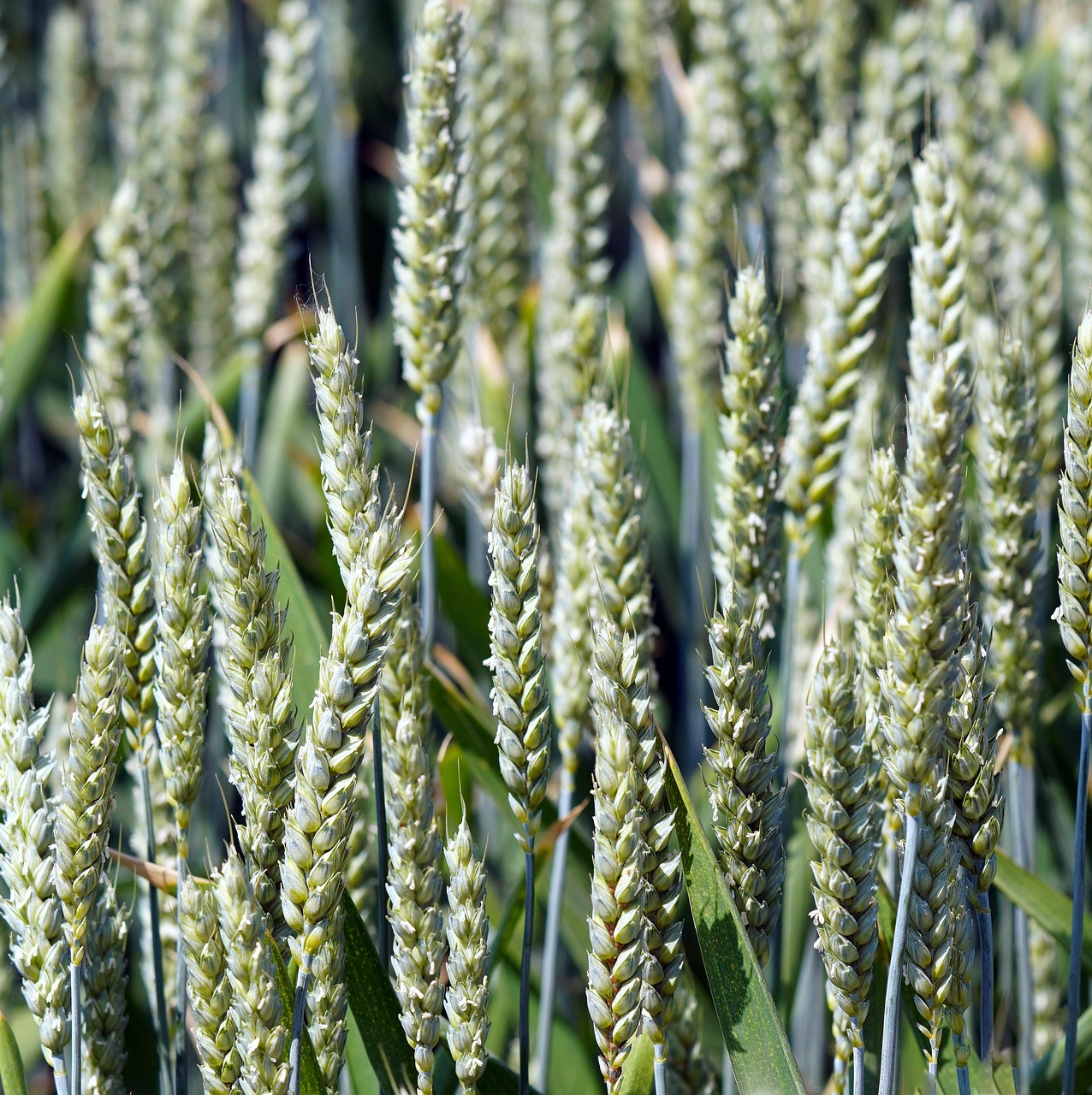
Ecological nitrogen, derived from organic and sustainable sources, offers multiple benefits for pasture cultivation:
- Improvement of soil health: Contributes to soil microbiology, favoring beneficial microorganisms. For example, the use of compost or manure can increase the population of nitrogen-fixing bacteria, which in turn improves the availability of this nutrient for plants.
- Reduction of pollution: Unlike chemical fertilizers, ecological nitrogen minimizes the risk of leaching and contamination of water sources. Studies have shown that organic fertilization practices can reduce nitrogen runoff by 30-50% compared to chemical fertilization.
- Promotion of biodiversity: Promotes a balanced ecosystem by avoiding the use of aggressive chemicals. The application of ecological nitrogen can increase the diversity of plant species in pastures, which in turn benefits local wildlife.
- SENASA certification: Organic fertilizers that comply with SENASA regulations guarantee their quality and safety for agricultural use. This not only ensures the production of healthy food but also opens market opportunities for certified organic products.
Improvement of Soil Fertility
Ecological nitrogen not only provides the nutrient itself but also improves soil structure. For example, the application of green manures, such as legumes, can increase the organic matter content in the soil, which in turn improves water and nutrient retention capacity. A study conducted in the Argentine Pampas region showed that the inclusion of legumes in crop rotation increased pasture production by 25% compared to systems that only used chemical fertilizers.
Moreover, the organic matter resulting from the decomposition of these green manures not only provides nitrogen but also acts as a reservoir that gradually releases nutrients, favoring sustained plant growth. The improvement in soil structure also promotes root penetration, allowing them to access a larger volume of soil, thus increasing their capacity to absorb water and nutrients.
Interaction with Soil Microorganisms
Ecological fertilizers, being of organic origin, foster a conducive environment for the proliferation of soil microorganisms, which play a crucial role in nutrient availability. Bacteria and mycorrhizal fungi, for example, not only assist in nitrogen fixation but also facilitate the absorption of other essential nutrients, such as phosphorus and potassium. A study evaluating the effect of compost application in agricultural soils revealed that the population of beneficial microorganisms increased by 60% compared to soils treated only with chemical fertilizers.
Reduction of Greenhouse Gas Emissions
The use of ecological nitrogen is also associated with the reduction of greenhouse gas emissions. The production and application of chemical fertilizers, such as urea, generate a significant carbon footprint. According to a report from the IPCC, the production of nitrogen fertilizers contributes approximately 1.5% of global CO2 emissions. In contrast, organic fertilizers, being of natural origin, have a much lower impact in terms of emissions, contributing to a more sustainable approach in agriculture.
Furthermore, the application of ecological nitrogen can reduce nitrous oxide (N2O) emissions, a greenhouse gas 298 times more potent than CO2. Studies indicate that applying compost instead of chemical fertilizers can decrease N2O emissions by 40%, representing a significant step towards climate change mitigation.
Comparison with Urea and Ammonium Nitrate
Chemical fertilizers such as urea and ammonium nitrate are widely used due to their effectiveness in providing nitrogen quickly. However, they have significant disadvantages:
- Environmental pollution: Excessive use can lead to groundwater contamination and eutrophication of water bodies. For example, nitrate runoff has been documented to cause algal blooms in rivers and lakes, affecting water quality and aquatic life.
- Dependence on external inputs: Farmers may become dependent on these inputs, affecting the long-term sustainability of their agricultural systems. A case study in the province of Buenos Aires indicated that producers relying on chemical fertilizers had production costs 20% higher than those implementing organic fertilization practices.
- Nutritional imbalance: Excess nitrogen application without other nutrients can cause an imbalance in the soil. This can result in deficiencies of other essential nutrients such as phosphorus and potassium, affecting the overall health of plants and pasture productivity.
The use of ecological nitrogen, on the other hand, not only provides the necessary nutrient but also improves the overall health of the agricultural ecosystem. In this sense, it has been observed that pastures fertilized with ecological nitrogen exhibit greater resistance to diseases and pests, reducing the need for pesticides and other chemical treatments.
Application in Pastures
The application of ecological nitrogen in pastures is relatively simple and can be done in various ways:
- Incorporation into the soil: It can be applied directly to the soil before planting or during the growth cycle of the pastures. A practical example is the incorporation of cow manure-based compost, which not only provides nitrogen but also other essential micronutrients.
- Fertigation: Integrating ecological nitrogen into the irrigation system can optimize its absorption by plants. Studies have shown that fertigation can increase nitrogen use efficiency by 30%, resulting in more uniform and healthy pasture growth.
- Combination with other biostimulants: Using ecological nitrogen together with other biostimulants can enhance the positive effects on pasture growth and health. For example, the combination of seaweed extracts and ecological nitrogen has shown a 40% increase in pasture biomass compared to using chemical nitrogen alone.
It is essential to follow application recommendations based on agronomic studies and field trials to maximize the benefits of ecological nitrogen. Implementing constant monitoring of soil and plant conditions allows for adjustments in applications and improves fertilization effectiveness.
Case Studies
In the Cuyo region, a trial was conducted comparing the yield of pastures fertilized with ecological nitrogen versus chemical nitrogen. The results showed that pastures treated with ecological nitrogen achieved a yield of 8.5 tons per hectare, compared to 7.2 tons per hectare in plots that received chemical nitrogen. Additionally, the forage quality was superior in the plots with ecological nitrogen, with a protein content exceeding 16%, which is crucial for animal feeding.
Another study in the province of Córdoba highlighted that the use of organic fertilizers based on ecological nitrogen resulted in a 25% reduction in the need for additional inputs for fertilization, as the nitrogen provided by these fertilizers improved the mineralization of other nutrients present in the soil.
Sustainable Management Practices
To maximize the benefits of ecological nitrogen, it is important to adopt sustainable management practices. This includes crop rotation, the use of cover crops, and minimizing soil tillage. These practices help maintain a balance in soil fertility and reduce erosion. Additionally, rotating pastures with legumes can fix atmospheric nitrogen and reduce the need for external applications.
The implementation of cover crops, such as clover or vetch, can not only fix nitrogen but also improve soil structure and increase its water retention capacity. A study in the Andean region showed that the use of cover crops along with ecological nitrogen improved biomass production by 30% compared to pastures that only received chemical nitrogen.
Economic Impact
The use of ecological nitrogen also has positive economic implications. Although the initial cost of some organic fertilizers may be higher than that of chemical fertilizers, in the long run, farmers may see a reduction in input costs due to improved soil health and pasture productivity. An economic analysis in the province of Santa Fe revealed that producers who implemented ecological fertilization practices reported a 15-20% increase in their profit margins compared to those who used chemical fertilizers.
Moreover, the decrease in the use of pesticides and herbicides due to improved agricultural ecosystem health can result in additional savings. In a case study in the province of Mendoza, it was observed that producers who used ecological nitrogen along with integrated pest management practices reduced their control costs by 35%, translating into greater profitability.
Conclusions
Ecological nitrogen presents itself as a sustainable and effective alternative to traditional chemical fertilizers. Its benefits for soil health, pollution reduction, and biodiversity promotion are key elements in the search for more sustainable agricultural practices. The implementation of ecological nitrogen in pastures not only improves yield and forage quality but also contributes to a more balanced and resilient agricultural system. As agriculture continues to face challenges related to sustainability, the use of alternatives such as ecological nitrogen becomes increasingly relevant and necessary.
Considerations for the Application of Ecological Nitrogen
Types of Ecological Nitrogen
There are various sources of ecological nitrogen that can be used in pasture fertilization. Among the most common are compost, manure, biofertilizers, and green manures. Each of these sources has specific characteristics that can influence their effectiveness:
- Compost: This material is obtained from the decomposition of organic waste and is rich in nutrients. Its application not only provides nitrogen but also phosphorus and potassium, improving the overall fertility of the soil.
- Manure: Depending on the type of animal (cattle, sheep, pigs), manure can vary in its nitrogen content. For example, cow manure has a nitrogen content of approximately 0.5-0.8%, while chicken manure can reach up to 2.5%.
- Biofertilizers: These products contain microorganisms that assist in fixing atmospheric nitrogen. A study demonstrated that the application of biofertilizers along with ecological nitrogen can increase nitrogen availability in the soil by 50%.
- Green manures: Legumes, such as clover and alfalfa, not only fix nitrogen in the soil but also improve its structure when incorporated. It is estimated that one hectare of legumes can fix between 80 and 200 kg of nitrogen per crop cycle.
Best Practices for Application
The correct application of ecological nitrogen is crucial to maximize its effectiveness. Below are some best practices:
- Soil Assessment: Before applying ecological nitrogen, it is advisable to conduct a soil analysis to determine its pH, organic matter content, and nutrient levels. This helps establish an appropriate fertilization plan.
- Timing of Application: The application of ecological nitrogen should be done at strategic times, such as before planting or during the active growth of the plant, to ensure maximum absorption.
- Dosing: It is important to follow dosing recommendations based on the specific needs of the pastures and the type of ecological nitrogen used. Excess nitrogen can be counterproductive, causing excessive growth and susceptibility to pests.
Monitoring and Evaluation
Regular monitoring of pasture conditions is essential to evaluate the effectiveness of ecological nitrogen application. This may include:
- Visual Observation: Evaluating the color and growth of plants can indicate whether they are receiving sufficient nutrients.
- Soil Tests: Conducting periodic soil analyses to monitor nitrogen and other nutrient levels is fundamental to adjusting fertilization practices.
- Pasture Yield: Measuring yield in terms of biomass and forage quality can help determine the effectiveness of fertilization with ecological nitrogen.
Related Articles
Need professional help?
At in Argentina, Latin America, we offer agriculture. Call us: +54 11 0000 0000.
Future of Ecological Nitrogen in Agriculture
As agriculture faces increasing challenges related to sustainability and food security, the use of ecological nitrogen positions itself as a viable and necessary solution. Ongoing research in this field, as well as the adoption of innovative technologies, will allow for the optimization of its use and maximization of its benefits.
It is likely that in the future, new formulations of ecological nitrogen will be developed that integrate controlled release technologies and combination with other essential nutrients, further improving application efficiency. Additionally, educating and training farmers on sustainable management practices will be key to the widespread adoption of these alternatives.
Finally, strengthening public policies that promote the use of ecological fertilizers and research in agroecology will help consolidate ecological nitrogen as a standard practice in modern agriculture, benefiting both the environment and the agricultural economy.
Development of New Technologies
Technological advancements in the field of ecological agriculture are opening new horizons for the use of ecological nitrogen. Technologies such as controlled-release biofertilizers are being researched, which can provide a more stable and efficient supply of nitrogen to plants. For example, recent studies have shown that combining ecological nitrogen with nanoparticles can improve nutrient absorption, increasing nitrogen availability in the soil by 70% during the plant growth cycle.
Moreover, biotechnology is playing a crucial role in creating crops that are more efficient in nitrogen use, meaning they need less nitrogen to achieve optimal yields. These innovations not only benefit agricultural productivity but also help mitigate the environmental impact associated with excessive use of nitrogen fertilizers.
Agricultural Education and Training
Education and training for farmers are fundamental for the successful adoption of ecological nitrogen. Training programs that teach about the importance of organic fertilization, best soil management practices, and the use of cover crops can be decisive in changing producers’ mindsets. For example, initiatives involving practical demonstrations in the field have shown that farmers receiving adequate training can increase their adoption of ecological fertilizers by 50% compared to those without access to such information.
Additionally, collaboration between academic institutions, non-governmental organizations, and the private sector can facilitate the dissemination of knowledge and innovative technologies, creating a more conducive environment for sustainable agriculture.
Related Articles
- Home
- Biological Fertilizers for Corn: Advantages and SENASA Certification
- Regenerative Agriculture in Rice: Ecoganic Biostimulants
Frequently Asked Questions
What is ecological nitrogen?
Ecological nitrogen refers to nitrogen sources that come from organic materials and comply with quality standards, such as those established by SENASA in Argentina.
What are the advantages of ecological nitrogen over urea?
The main advantages include lower environmental pollution, improved soil health, and compatibility with sustainable agriculture practices.
How is ecological nitrogen applied in pastures?
It can be applied directly to the soil, through fertigation, or in combination with other biostimulants, following agronomic recommendations.
Is ecological nitrogen more expensive than chemical fertilizers?
The cost may vary, but in the long run, using ecological nitrogen can be more economical by improving soil health and reducing dependence on chemical inputs.