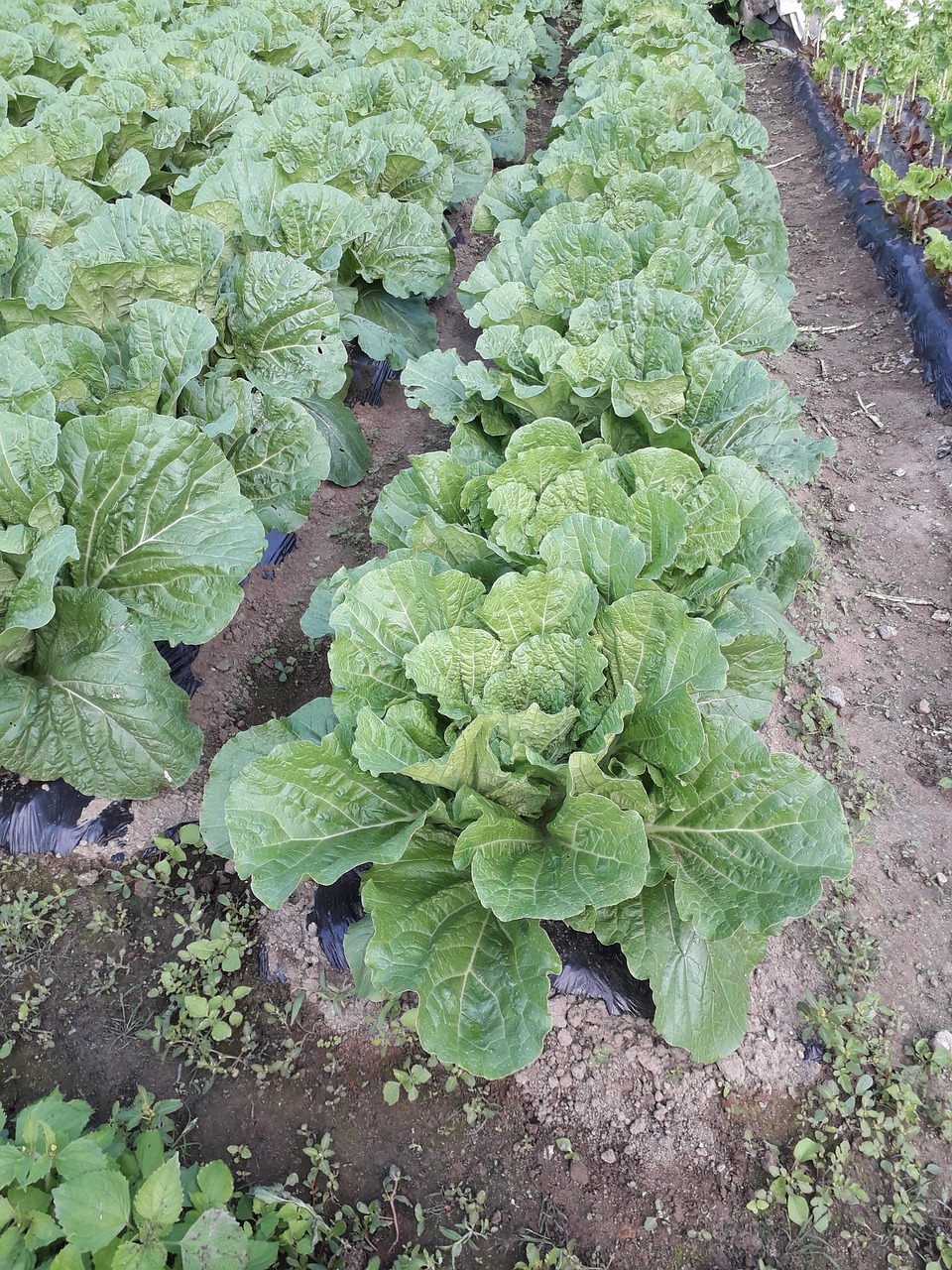
Discover ecological fulvic acid, its action in germination and rooting, and how to apply it in agriculture to improve your crops. Contact us!
Introduction to fulvic acid
Fulvic acid is an essential organic component found in soil humus and plays a crucial role in modern agriculture, especially in stimulating the germination and rooting of plants. In this article, we will explore how ecological fulvic acid acts on crops, supported by scientific evidence and its practical application in Argentine agriculture. For more information visit our website.
Benefits of fulvic acid in agriculture
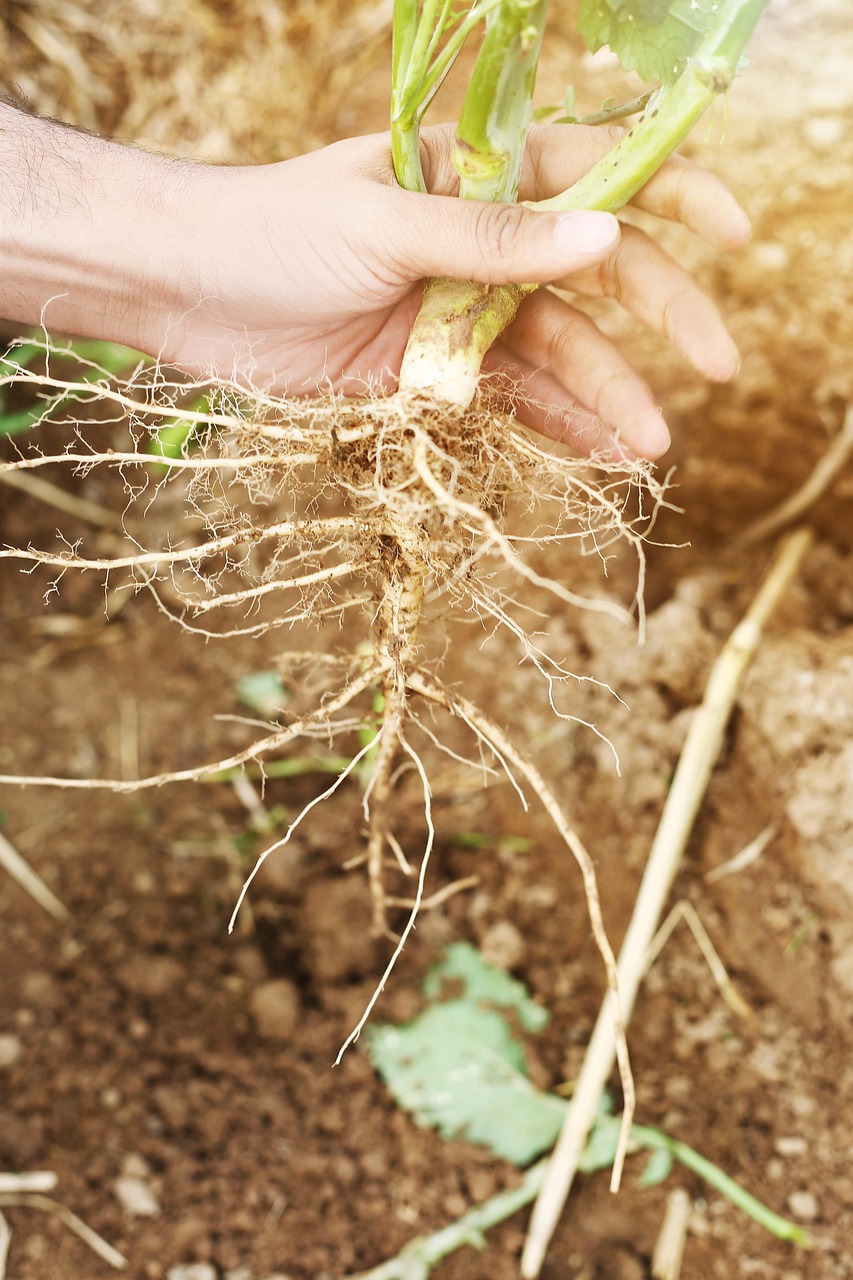
The use of ecological fulvic acid offers multiple benefits in the agricultural context. Among them, the following stand out:
- Stimulation of germination: Fulvic acid improves the germination rate of seeds, facilitating a more robust growth start.
- Improvement of the root system: It promotes the development of stronger and deeper roots, resulting in greater absorption of nutrients and water.
- Increased nutrient availability: It helps in the solubilization of minerals, making nutrients more accessible to plants.
- Improvement of soil health: It contributes to the formation of organic matter in the soil, improving its structure and capacity to retain water.
SENASA regulations and their importance
In Argentina, the use of biostimulants such as fulvic acid is regulated by SENASA, which guarantees its quality and effectiveness. This is crucial for farmers seeking sustainable and certified practices. The regulations ensure that the products used meet the necessary standards to protect both soil health and crop health.
Biochemical mechanisms of fulvic acid
Fulvic acid acts at the biochemical level in various ways. Its chemical structure allows it to form complexes with cations, improving nutrient availability. It has been shown that fulvic acid can increase the solubility of nutrients such as iron, manganese, and zinc, essential elements for plant growth. A study conducted by the University of Buenos Aires found that the application of fulvic acid increased phosphorus solubility by 40%, facilitating its absorption by roots. Additionally, fulvic acid binds to metal ions, forming chelates that facilitate the transport of these nutrients across plant cell membranes. This process is particularly relevant in soils with high acidity, where nutrient availability tends to be limited.
Interaction with soil microbiota
In addition to improving nutrient availability, fulvic acid also interacts with soil microbiota. It acts as a substrate for beneficial microorganisms, increasing their activity and diversity. Research has shown that the application of fulvic acid can increase the population of nitrogen-fixing bacteria in the soil, contributing to a more closed nutrient cycle. A study from the University of Mar del Plata reported a 50% increase in the population of Rhizobium in soils treated with fulvic acid. This not only improves soil fertility but also helps reduce the need for nitrogen fertilizers, promoting more sustainable agricultural practices. The interaction of fulvic acid with microbiota can also stimulate the production of phytohormones by these microorganisms, which in turn favors plant growth.
Stimulation of stress resistance
Fulvic acid also plays a role in mitigating stress in plants. Studies have shown that the application of fulvic acid can increase drought stress tolerance in crops. It has been observed that plants treated with fulvic acid have a higher antioxidant content, allowing them to better manage adverse conditions. In field trials, it was reported that wheat plants exposed to drought conditions and treated with fulvic acid showed a 25% higher yield compared to those that did not receive treatment. This positive effect is due to fulvic acid promoting the synthesis of compounds that act as protectors against oxidative stress, improving the overall health of the plant. Additionally, the application of fulvic acid can also help plants regulate the opening and closing of stomata, thus optimizing transpiration and water absorption.
Scientific evidence of its effectiveness
Numerous agronomic studies have demonstrated the effectiveness of fulvic acid in agriculture. Recent research indicates that its application can significantly increase the germination rate in various agricultural species.
- Stimulation of germination: Field trials have shown a 20-30% increase in the germination rate when using fulvic acid, compared to treatments without it.
- Root development: Studies have shown that plants treated with fulvic acid develop a more extensive root system, which translates into better resistance to drought stress conditions.
Key research on fulvic acid
A study conducted by the National Institute of Agricultural Technology (INTA) in Argentina demonstrated that the application of fulvic acid in soybean crops resulted in a 25% increase in harvest yield. This increase was attributed to improved nitrogen and phosphorus absorption, critical elements for soybean growth. Another study in corn crops showed that the use of fulvic acid increased ear size and the number of grains per plant, resulting in a 15% increase in production. In a trial conducted in vegetable crops, it was observed that the use of fulvic acid increased vitamin C content by 20%, thus improving the nutritional value of the final product. Additionally, a meta-analysis that included multiple studies found that the use of fulvic acid can increase total production by an average of 18% across different crops.
Comparison of application methods
The effectiveness of fulvic acid also depends on how it is applied. A comparative study in the province of Santa Fe evaluated different application methods, including foliar treatments and soil application. The results showed that plants treated foliarly experienced a 30% increase in the germination rate compared to those that only received soil application. However, the combination of both methods resulted in a synergistic increase of 40% in germination, suggesting that combined use may be the most effective strategy. Additionally, application under high soil moisture conditions favors better absorption and effectiveness of fulvic acid. In vegetable crops, foliar application is recommended in the early growth stages, while in cereals, soil application before planting is suggested to maximize nutrient availability.
Practical applications of fulvic acid
Ecological fulvic acid can be applied in various ways in crops:
- Foliar treatments: Apply diluted solutions of fulvic acid directly onto the leaves, favoring rapid nutrient absorption.
- Incorporation into the soil: Mix fulvic acid with the soil before planting to maximize its effectiveness in germination.
- Combinations with other biostimulants: Its use in synergy with other biostimulants can further enhance results, improving both germination and growth.
Success cases in Argentina
There are numerous cases in Argentina where the use of fulvic acid has shown positive results. Farmers from different regions have reported increases in their crop yields, as well as improved quality. In the Entre Ríos region, it has been reported that the application of fulvic acid in rice increased production by 15%, while in the province of Tucumán, sugarcane producers observed a 20% increase in sugar content in cane treated with fulvic acid. In the province of Salta, a group of tomato producers reported a 30% increase in production, attributed to improved soil quality and better root development thanks to the application of fulvic acid.
Field application examples
In the province of Córdoba, a group of corn farmers applied fulvic acid at the pre-planting stage, resulting in 20% more germination and uniform growth. In Mendoza, a trial with vines was conducted, where foliar treatments of fulvic acid were applied, achieving a 30% increase in high-quality grape production. These examples demonstrate the versatility and effectiveness of fulvic acid in different types of crops in Argentina. Another notable case is in vegetable production in the province of Buenos Aires, where farmers who applied fulvic acid reported faster growth and a reduction in pest incidence, allowing for a decrease in pesticide use and improving the quality of the final product. Additionally, in the Cuyo region, an alfalfa producer observed a 25% increase in forage yield by implementing regular fulvic acid treatments.
Considerations for the application of fulvic acid
It is crucial to consider several factors when applying fulvic acid. The quality of the product, the dosage, and the timing of application are determinants for maximizing its benefits. It is recommended to conduct soil analyses beforehand to tailor the application to the specific needs of each crop. Additionally, climatic conditions and the health status of the plants will also influence the effectiveness of fulvic acid, so it is important to adjust application strategies accordingly. In general, it is recommended that the dosage ranges from 1 to 5 liters per hectare, depending on the cultivated species and the soil condition. For example, in high-yield crops such as soybeans, higher doses are suggested, while in less demanding crops, lower doses can be applied.
Development of application protocols
To optimize the use of fulvic acid, it is advisable to develop specific application protocols according to the type of crop and soil conditions. For example, in vegetable crops, a weekly application of fulvic acid at doses of 1-2 liters per hectare could be considered, starting from germination until the vegetative growth stage. On the other hand, in cereal crops, a pre-planting application and a second application during the reproductive development could be more effective, with doses adjusted to the soil characteristics and available moisture. Additionally, implementing crop rotation practices can maximize the long-term benefits of fulvic acid in the soil. In a study conducted in barley crops, it was observed that rotation with legumes along with the application of fulvic acid significantly improved soil structure and fertility.
Interaction of fulvic acid with other nutrients
Fulvic acid not only acts independently but also interacts with other nutrients, enhancing their effects. For example, it has been documented that fulvic acid improves nitrogen absorption in plants, which is crucial for vegetative growth. In a study conducted in potato crops, it was observed that the combination of fulvic acid with nitrogen fertilizers increased nitrogen absorption efficiency by 35%, resulting in more vigorous growth and a 20% higher tuber yield compared to the use of nitrogen alone. Similarly, the combination of fulvic acid with potassium has shown improvements in disease resistance in tomato crops, increasing production and reducing the incidence of pathogenic fungi. A trial in onion crops also demonstrated that the joint application of fulvic acid and phosphorus improved the efficiency of both nutrients, resulting in larger onions with higher sugar content.
Impact on the quality of agricultural products
The application of fulvic acid can also influence the quality of agricultural products. In trials conducted with fruit crops, it has been demonstrated that the use of fulvic acid improves the sugar and antioxidant content in fruits, which can result in more attractive products for consumers. A study in tomato crops revealed that fruits treated with fulvic acid had a 15% higher soluble solids content, translating into a sweeter taste and better overall product quality. This is especially relevant in markets where product quality is a determining factor for commercialization. Additionally, the application of fulvic acid has shown improvements in the texture and visual appearance of products, which can increase their market value. In apple crops, it was observed that fruits treated with fulvic acid had greater shine and firmness, making them more appealing for fresh consumption.
Environmental impact and sustainability
The use of ecological fulvic acid not only benefits crops but also has a positive impact on the environment. By improving soil health and increasing microbial biodiversity, it contributes to the sustainability of agricultural ecosystems. A study published in the journal Soil Biology and Biochemistry found that the application of fulvic acid favored the growth of beneficial microorganisms in the soil, which in turn improves fertility and structure. This effect translates into healthier soil, capable of supporting a greater diversity of crops and resisting adverse climatic conditions. The reduction of soil erosion and the improvement in water retention are other benefits associated with the use of fulvic acid, contributing to long-term sustainability.
The role of fulvic acid in regenerative agriculture
In the context of regenerative agriculture, fulvic acid presents itself as a fundamental ally. This approach seeks to restore soil health and increase its capacity to store carbon. The incorporation of fulvic acid can improve the soil’s water retention capacity, which is essential in drought-prone regions. Additionally, by promoting soil biological activity, the nutrient cycle is facilitated, creating a more resilient and sustainable agricultural system. A case study in the Cuyo region demonstrated that agricultural practices incorporating fulvic acid achieved a 1.5% increase in soil organic matter over a three-year period, which is significant for the long-term health of the agricultural ecosystem. This approach not only improves productivity but also contributes to climate change mitigation by increasing carbon sequestration in the soil. The integration of regenerative agriculture practices along with the use of fulvic acid can result in a positive feedback cycle that continuously improves soil health.
Reduction of dependence on chemical inputs
The implementation of fulvic acid in agriculture can contribute to reducing dependence on chemical inputs, such as synthetic fertilizers and pesticides. By improving nutrient availability and strengthening the plants’ immune system, the need to apply chemical products can be decreased. A study conducted in the province of Buenos Aires showed that the use of fulvic acid allowed for a 40% reduction in nitrogen fertilizer application in soybean crops, without compromising harvest yield. Additionally, it has been observed that the application of fulvic acid can reduce the incidence of pests and diseases, contributing to a more sustainable management of crops. In field trials, crops treated with fulvic acid showed a 30% decrease in the incidence of fungal diseases compared to crops that did not receive treatment. This not only improves the farmer’s profitability but also promotes more ecological and responsible agricultural practices. In a cost-benefit analysis, it was demonstrated that the implementation of fulvic acid represents a profitable investment, as savings on chemical inputs exceed the cost of its application.
Related Articles
Need professional help?
In in Argentina, Latin America, we offer agriculture. Call us: +54 11 0000 0000.
Conclusions
Ecological fulvic acid has established itself as a valuable tool in modern agriculture. Its ability to stimulate germination, improve the root system, and increase nutrient availability makes it an essential biostimulant for farmers. Scientific evidence supports its effectiveness, while practical applications demonstrate its versatility in different crops. As agriculture moves towards more sustainable practices, fulvic acid will play a key role in improving soil health and crop productivity, contributing to a more sustainable and efficient agricultural future. The integration of this biostimulant into agricultural practices will not only benefit farmers but also contribute to environmental sustainability and long-term food security. In a world where the demand for food continues to grow, the use of fulvic acid can be a comprehensive solution to face the agricultural challenges of the future.
Related Articles
- Home
- Biological Fertilizers for Corn: Advantages and SENASA Certification
- Regenerative Agriculture in Rice: Ecoganic Biostimulants
Frequently Asked Questions
What is fulvic acid and how is it produced?
Fulvic acid is an organic compound that forms from the decomposition of organic matter in the soil. It is naturally produced in environments rich in organic matter and can be extracted for use in agriculture.
Is it safe to use fulvic acid on crops?
Yes, ecological fulvic acid is safe and regulated by SENASA in Argentina, which guarantees its quality and effectiveness.
What are the recommended doses of fulvic acid?
Doses may vary depending on the type of crop and application technique, but a dilution of 1:100 is generally recommended for foliar treatments.
Where can I purchase ecological fulvic acid in Argentina?
You can find ecological fulvic acid in agricultural supply stores or through authorized distributors. For more information, contact local suppliers.