
Learn about ecological fulvic acid, its impact on soil microbiota, and its application in organic agriculture. Contact us for more information.
What is fulvic acid?
Fulvic acid is an organic component formed from the decomposition of plant and animal matter. This compound is essential for improving soil quality, as it acts as a powerful biostimulant, promoting the activation of soil microbiota. In organic agriculture, the use of fulvic acid is becoming a recommended practice to optimize crop growth and increase soil biodiversity.
Chemical composition of fulvic acid
Fulvic acid is a low molecular weight polymer that belongs to the fraction of humic acids. Its chemical composition includes a mixture of organic compounds, such as carboxylic acids, phenols, and sugars. These compounds are highly soluble in water, allowing them to interact with nutrients and improve their availability to plants. It has been shown that fulvic acid contains between 30% and 50% organic carbon, which is fundamental for the formation of soil structures and microbial activity.
Additionally, fulvic acid includes elements such as nitrogen, sulfur, and phosphorus in its structure, which are vital for plant growth. The presence of functional groups such as carboxyls and phenolates allows fulvic acid to act as a chelator, facilitating the availability of micronutrients such as iron, manganese, and zinc, which are essential for plant health. A study conducted by the National University of La Plata indicates that fulvic acid can increase iron assimilation in plants by 40% compared to untreated soils.
Mechanisms of action of fulvic acid in the soil
Fulvic acid acts through several mechanisms that improve soil health and nutrient availability. One of the main mechanisms is nutrient chelation. Fulvic acid binds to cations such as calcium, magnesium, and iron, forming complexes that are more easily absorbed by plant roots. Additionally, fulvic acid improves soil structure by increasing particle aggregation, which promotes better aeration and drainage.
A study conducted by the University of Córdoba revealed that the application of fulvic acid can increase the cation exchange capacity (CEC) of the soil by 15-20%, meaning that the soil can retain more nutrients available for plants. This phenomenon is due to the ability of fulvic acid to interact with soil particles, creating stable complexes that reduce nutrient leaching. The formation of these complexes also contributes to soil stability, reducing erosion and promoting a conducive environment for the development of microbiota.
Interaction with soil microbiota
Fulvic acid not only improves nutrient availability but also promotes a favorable environment for soil microbiota. The presence of fulvic acid increases microbial biodiversity, contributing to greater resilience of the soil ecosystem. Research has shown that the application of fulvic acid can increase the population of beneficial bacteria by 50%, resulting in greater decomposition of organic matter and the release of nutrients in forms that are assimilable by plants.
A study conducted in agricultural soils in the province of Mendoza showed that soils treated with fulvic acid exhibited a significant increase in the metabolic activity of microorganisms, which translated into greater nutrient assimilation by plants. This synergistic effect is fundamental for agricultural sustainability, as it fosters soil health and crop productivity.
Benefits of fulvic acid in organic agriculture
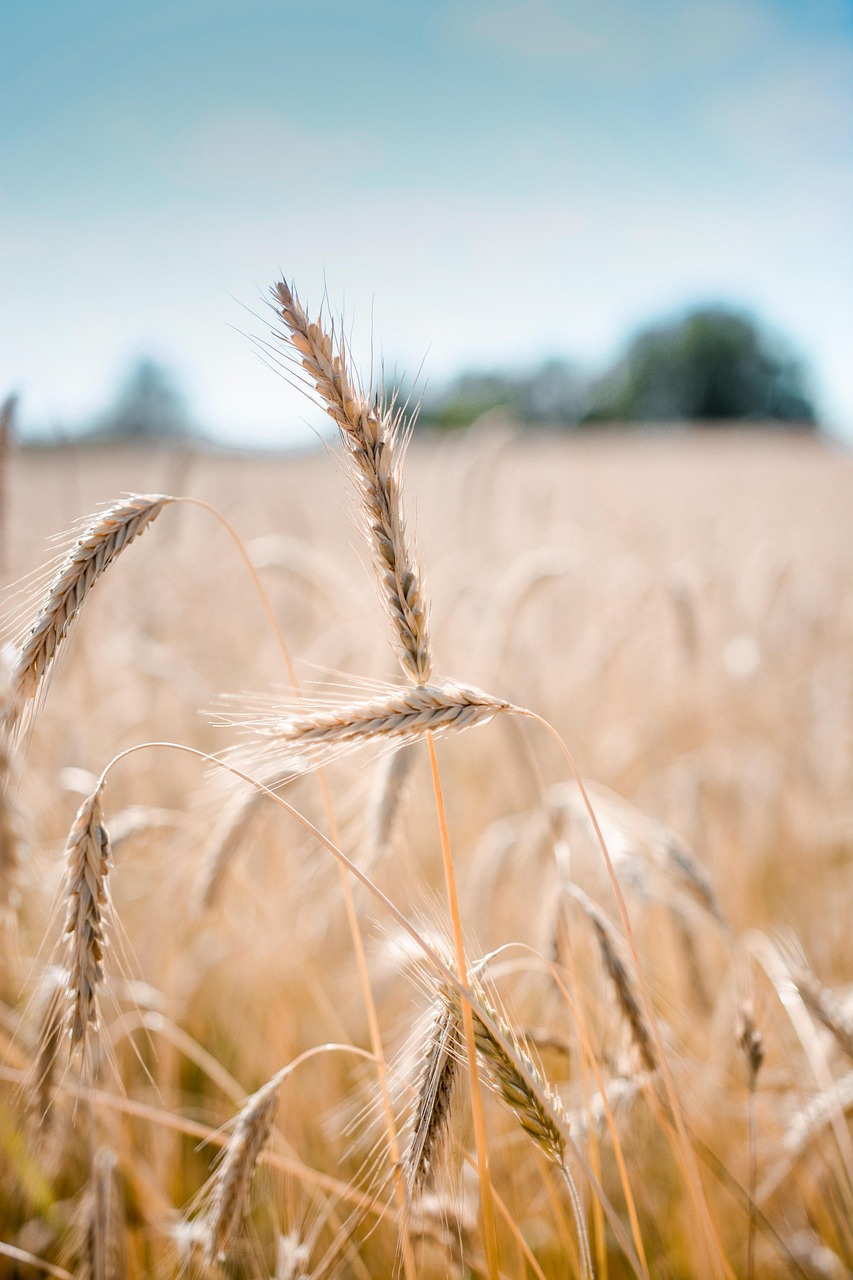
The use of fulvic acid in organic agriculture in Argentina presents multiple benefits:
- Improves nutrient availability: Facilitates the absorption of essential nutrients by plants, such as nitrogen, phosphorus, and potassium.
- Stimulates microbial activity: Fosters the development of beneficial microorganisms in the soil, resulting in a balanced and healthy microbiota.
- Increases water retention: Provides properties that enhance the soil’s ability to retain moisture, which is crucial during dry periods.
- Reduces soil toxicity: Helps neutralize toxic compounds, thereby improving the overall health of the soil.
Improvement of soil fertility
Fulvic acid contributes to the improvement of soil fertility by increasing organic matter content. Studies have shown that the application of fulvic acid can increase soil organic matter by 1-3% over a period of three years. This improvement in organic matter translates into a greater capacity for nutrient and water retention, which in turn promotes more vigorous crop growth. In a trial conducted in the Entre Ríos region, it was observed that the application of fulvic acid in degraded soils improved fertility by increasing nitrogen and phosphorus content by 20%.
Moreover, by improving soil fertility, fulvic acid can also reduce the need for chemical fertilizers. A study in corn crops showed that the application of fulvic acid allowed for a 25% reduction in nitrogen fertilizer dosage without affecting crop yield, resulting in significant economic savings for farmers. Additionally, the decrease in the use of chemical fertilizers contributes to environmental sustainability by reducing water and soil pollution.
Reduction of soil erosion
The application of fulvic acid has also shown positive effects in reducing soil erosion. By improving soil structure and increasing aggregate formation, the susceptibility of the soil to water and wind erosion is decreased. This is especially relevant in regions where soil erosion is a significant problem, as the loss of fertile soil can affect agricultural productivity in the long term.
Studies have shown that soils treated with fulvic acid exhibit a reduction of up to 40% in soil loss during intense rainfall events. This is because fulvic acid helps form more stable aggregates that resist the action of water, maintaining the integrity of the soil’s surface horizon. In a soil restoration project in Santa Fe, a 35% reduction in soil erosion was achieved after implementing fulvic acid treatments over two consecutive seasons.
Impact on plant health
Fulvic acid not only improves soil health but also has a direct impact on plant health. It has been observed that plants treated with fulvic acid show an increase in photosynthesis and biomass production. For example, a study in soybean crops showed a 20% increase in seed production after the application of fulvic acid compared to a control group without treatment. This is attributed to improved nutrient assimilation and strengthening of the root system, allowing for better access to soil resources.
Additionally, it has been shown that fulvic acid can increase plant resistance to environmental stress. Research indicates that the application of fulvic acid improves drought tolerance in sorghum crops, increasing the plants’ ability to maintain turgor and reduce water loss during periods of water stress. In a trial conducted in the province of Salta, it was observed that sorghum plants treated with fulvic acid were able to maintain consistent yields even under severe drought conditions, representing a significant advantage for farmers in arid climates.
How is fulvic acid used in organic fertilizers?
Fulvic acid can be incorporated into organic fertilizers in various ways. Its application is recommended during the growth stages of crops, as it maximizes its effects. The dosage will depend on the type of crop and soil conditions, but generally, an application of between 1 to 5 liters per hectare, diluted in water, is suggested. In vegetable crops, for example, it has been reported that the application of 3 liters per hectare can improve yield by 15%. This makes the use of fulvic acid an effective strategy to optimize agricultural production.
Additionally, fulvic acid can be used in combination with other organic fertilizers, such as manure or compost, to enhance their effectiveness. The interaction of these products can boost the release of nutrients in the soil, resulting in a synergistic effect that benefits crop growth. In a study conducted in fruit crops, the combination of fulvic acid with compost resulted in a 25% increase in plant growth compared to the use of compost alone.
Scientific evidence on fulvic acid
Numerous studies support the use of fulvic acid in agriculture. Research conducted by INTA has demonstrated that its application can significantly increase the production of crops such as corn, soybeans, and vegetables. Additionally, SENASA has regulated the use of products containing fulvic acid, ensuring their quality and effectiveness under strict regulations.
Relevant studies on fulvic acid
A study conducted by the National University of La Plata found that the application of fulvic acid in corn crops resulted in a 25% increase in grain yield compared to the control. Another study carried out by the University of Buenos Aires demonstrated that the application of fulvic acid improved soil quality by increasing the activity of beneficial microorganisms by 40%. These findings highlight the importance of fulvic acid as a key tool in sustainable agriculture.
Additionally, a comprehensive analysis conducted by the National University of Litoral showed that the application of fulvic acid can increase microbial diversity in the soil, which is fundamental for maintaining a healthy ecosystem. This study highlighted that soils treated with fulvic acid exhibited a greater diversity of mycorrhizal fungi, contributing to better nutrient and water absorption by plants. For example, a 30% increase in root colonization by mycorrhizal fungi was observed in soils treated with fulvic acid.
Effects of fulvic acid on soil microbiota
Fulvic acid promotes the proliferation of beneficial microorganisms, such as bacteria and fungi, which are essential for soil health. These organisms contribute to the decomposition of organic matter and the formation of humus, which in turn improves soil structure and its nutrient retention capacity. Research has shown that the application of fulvic acid can increase soil bacteria populations by 50% compared to untreated soils.
A study conducted in agricultural soils in the province of Mendoza showed that the use of fulvic acid not only increased the number of microorganisms but also promoted their metabolic activity, resulting in greater decomposition of organic matter and the release of nutrients in forms that are assimilable by plants. In this case, a 60% increase in soil respiratory activity was recorded, indicating an increase in biological activity that benefits plant growth.
Interaction between fulvic acid and other biostimulants
Fulvic acid can interact synergistically with other biostimulants, enhancing the positive effects on plant growth and soil health. For example, when combined with seaweed extracts, it has been shown that fulvic acid improves the absorption of micronutrients, resulting in more robust plant growth. Studies indicate that the combination of fulvic acid and seaweed extracts can increase crop yields by 30% under water stress conditions.
Furthermore, the combination of fulvic acid with amino acids has shown promising results in improving crop quality. A recent study demonstrated that the joint application of fulvic acid and amino acids in pepper crops resulted in an 18% increase in vitamin C content in the fruits, which is an indicator of quality for consumers. This integrated approach to fertilization can be key to maximizing both yield and quality of crops.
Related Articles
Need professional help?
At in Argentina, Latin America, we offer agriculture. Call us: +54 11 0000 0000.
Practical applications of fulvic acid
Fulvic acid can be used in organic agriculture in various ways:
- Liquid fertilizers: It can be mixed with liquid fertilizers to enhance their effectiveness.
- Foliar application: The foliar application of fulvic acid can result in rapid nutrient absorption by the leaves.
- Soil amendments: It can be used to improve soil structure and quality in cultivated fields.
Examples of application in specific crops
In tomato crops, the application of fulvic acid in irrigation has shown an increase in fruit size and quality. Producers have reported a 20% increase in production and an improvement in resistance to fungal diseases. In onion crops, the use of fulvic acid has resulted in a 15% reduction in pest incidence, translating into a lower need for chemical treatments.
In studies conducted in potato crops, it was observed that the application of fulvic acid during the growth cycle improved yield by 30% and tuber quality, increasing their size and reducing the incidence of diseases such as late blight. This type of application can be an effective strategy for producers looking to maximize their production while minimizing the use of chemical inputs. A notable case was that of a farmer in the province of Tucumán, who reported that the use of fulvic acid allowed him to obtain larger and higher-quality tubers, achieving higher prices in the market.
Improvement of irrigation water quality
Another important aspect of using fulvic acid is its ability to improve the quality of irrigation water. As a chelating agent, fulvic acid can help reduce the toxicity of heavy metals present in water, making it safer for crop irrigation. This is particularly relevant in areas where irrigation water may be contaminated, thus ensuring that crops grow in a healthier environment.
A study conducted in the Greater Buenos Aires region demonstrated that the application of fulvic acid in irrigation systems with contaminated water reduced the concentration of heavy metals such as cadmium and lead in the soil, thereby improving the quality of the water used and the food safety of the crops. This aspect is crucial for the sustainability of agriculture in urban and peri-urban areas where water contamination is a growing problem. Additionally, it was observed that the addition of fulvic acid to irrigation water improved the stability of soil aggregates, promoting better drainage and preventing soil compaction.
Application in sustainable cropping systems
The incorporation of fulvic acid in sustainable cropping systems has proven to be highly effective. For example, in conservation agriculture systems, where the aim is to minimize soil disturbance, the use of fulvic acid can help maintain soil structure and promote biological activity. In a study conducted in wheat crops, it was observed that the application of fulvic acid improved the soil’s resistance to compaction, allowing for better root penetration and more efficient access to nutrients.
Moreover, in crop rotation practices, the use of fulvic acid has shown positive results in improving soil health. In a trial where legume and grass crops were alternated, the application of fulvic acid resulted in a 15% increase in biomass production compared to soils that did not receive treatment. This demonstrates that the use of fulvic acid can be a valuable tool for promoting sustainability and health in the agricultural ecosystem.
If you are interested in incorporating fulvic acid into your agricultural practices, we invite you to contact us for more information about our products and personalized advice on the application of biostimulants in your crops.
Frequently Asked Questions
What results can I expect from using fulvic acid?
The application of fulvic acid can result in increased crop production, greater disease resistance, and healthier soil.
Is the use of fulvic acid safe in organic agriculture?
Yes, fulvic acid is a natural component and is allowed in organic agriculture under SENASA regulations.
Can I mix fulvic acid with other fertilizers?
Yes, it is common to mix fulvic acid with other organic fertilizers to optimize performance.
Where can I buy ecological fulvic acid in Argentina?
You can find fulvic acid products on our website, where we offer a variety of organic biostimulants.