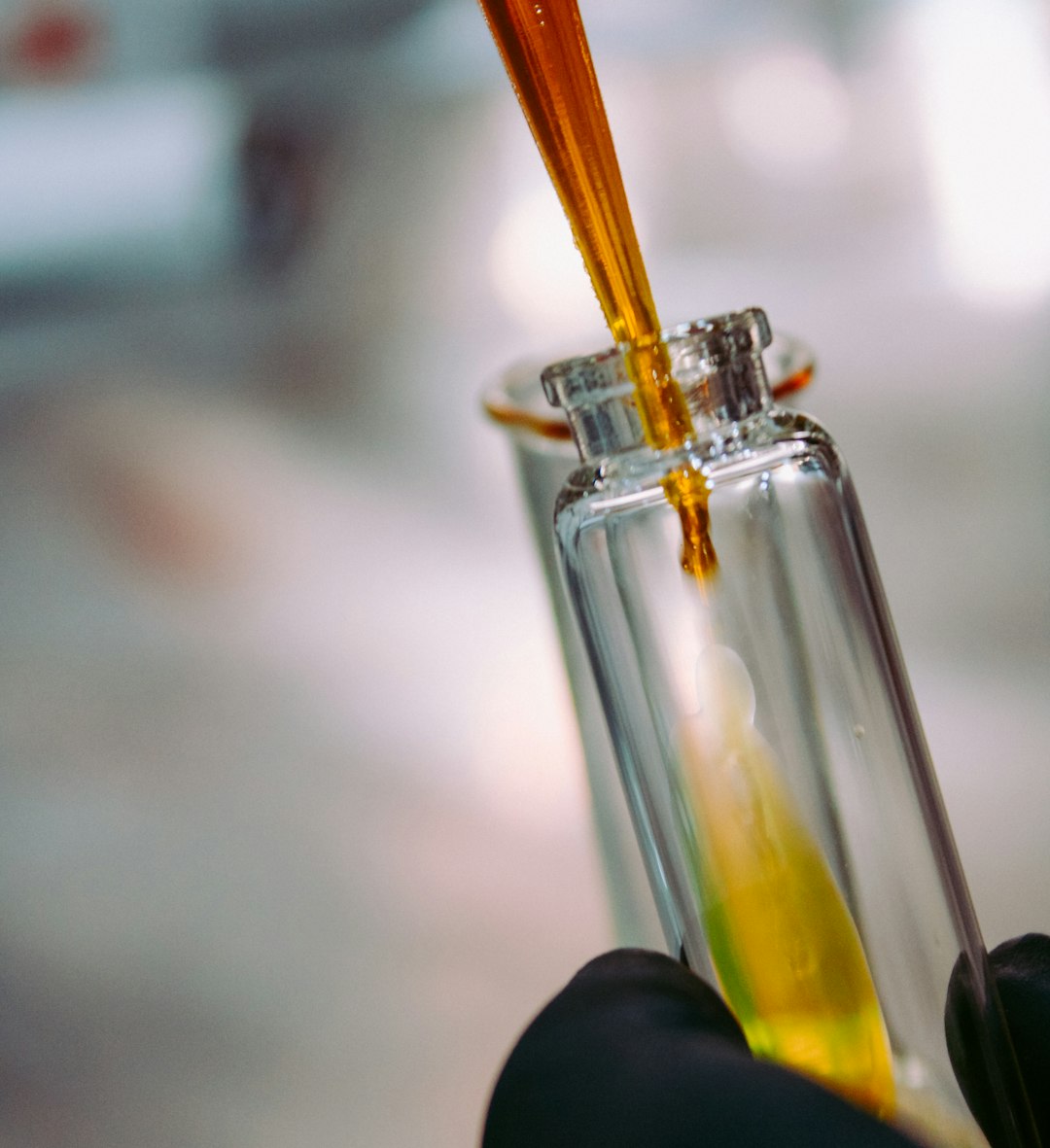
Learn about ecological fulvic acid for micronutrient chelation. Discover its benefits and practical applications in organic agriculture.
Introduction to fulvic acid
Ecological fulvic acid has become an essential component in organic agriculture in Argentina. This biocompound not only improves soil health but also acts as a powerful chelating agent for micronutrients, facilitating their availability for plants. In this article, we will explore how ecological fulvic acid contributes to micronutrient chelation, its scientific evidence, and practical applications in the agricultural field.
Benefits of fulvic acid
The use of fulvic acid offers multiple benefits in agriculture, such as:
- Improves nutrient availability: Increases the absorption of essential nutrients like iron, manganese, and zinc.
- Stimulates root growth: Promotes root development, resulting in stronger plants.
- Increases water retention: Helps maintain soil moisture, which is crucial in arid areas of Argentina.
- Regulates soil pH: Contributes to balancing pH, thus optimizing conditions for crop growth.
How to use fulvic acid for micronutrient chelation
For fulvic acid to fulfill its role as a chelator of micronutrients, it is essential to apply it in the correct doses. Generally, it is recommended to:
- Apply between 2 to 5 liters per hectare, depending on the type of crop and soil conditions.
- Perform foliar applications or in irrigation to maximize its effectiveness.
Additionally, combining fulvic acid with other fertilizers can further enhance its effect. For example, mixing fulvic acid with nitrogen-rich fertilizers can help improve the absorption of this nutrient, which is essential for the vegetative growth of plants. In vegetable crops, the application of fulvic acid can result in a 20-30% increase in nutrient absorption, leading to more vigorous growth and higher yields.
Considerations for applying fulvic acid
It is important to consider several factors when applying fulvic acid. For instance, soil condition and crop type are determinants in the dosage. In soils with high organic matter, doses may be lower, while in poor soils, higher applications may be required. The time of year also plays a crucial role; applications should preferably be made at the beginning of the growing season to maximize benefits.
Monitoring soil health
Monitoring soil health is essential to determine the need for fulvic acid application. Laboratory tests analyzing organic matter content, pH, and micronutrient levels can provide valuable information. For example, soil with a pH of 5.5 or lower can significantly benefit from the use of fulvic acid to improve nutrient availability. Likewise, using moisture probes can help determine the optimal time for application, ensuring that fulvic acid is used efficiently.
Mechanism of action in chelation
Fulvic acid acts through a chemical chelation process, where it binds to the metal ions of nutrients. This process increases the solubility and availability of micronutrients in the soil, facilitating their absorption by plant roots. Additionally, fulvic acid enhances the mobility of these nutrients within the plant, ensuring they reach where they are most needed.
Biochemical mechanisms of chelation
From a biochemical perspective, fulvic acid has a highly complex molecular structure that includes functional groups such as carboxyls and phenols. These groups are responsible for its ability to form stable complexes with metal ions. For example, iron (Fe2+) can bind to the carboxyl groups of fulvic acid, making it a soluble complex that plants can easily absorb. This process not only increases the availability of iron but also prevents the formation of insoluble compounds that could block its absorption.
According to a study conducted by researchers from the National University of La Plata, it was demonstrated that the use of fulvic acid increased the availability of iron by 60% in acidic soils, which is particularly relevant in regions where iron deficiency is common. This chelating effect extends to other micronutrients such as manganese, zinc, and copper, highlighting the importance of fulvic acid in plant nutrition.
Relationship between fulvic acid and soil microbial activity
Fulvic acid also plays a crucial role in stimulating soil microbial activity. It acts as a substrate for beneficial microorganisms, promoting their growth and activity. These microorganisms, in turn, help decompose organic matter and release nutrients, further improving nutrient availability for plants. Studies have shown that the application of fulvic acid can increase microbial diversity in the soil by 30%, which is essential for soil ecosystem health.
Interaction of fulvic acid with other soil elements
In addition to its chelating effect, fulvic acid also interacts with other soil components, such as clays and organic matter. These interactions can influence the nutrient and water retention capacity in the soil. For example, fulvic acid can modify the electrical charge of soil particles, increasing their ability to retain cations (positive nutrients) and thus improving soil fertility. A study in saline soils showed that the addition of fulvic acid increased water retention by 25%, which is crucial for crops under water stress conditions.
Impact on nutrient mobility
The impact of fulvic acid on nutrient mobility is significant. By forming soluble complexes with micronutrients, fulvic acid not only improves availability in the root zone but also facilitates the diffusion of these nutrients throughout the soil profile. This is especially important in highly compacted soils where nutrient mobility may be restricted. A study conducted in the province of Buenos Aires demonstrated that the application of fulvic acid increased the diffusion of zinc by 50% compared to untreated soils, resulting in greater absorption by plants.
Scientific evidence and practical applications
Several studies support the effectiveness of fulvic acid in agriculture. According to research published by INTA, the use of fulvic acid in corn and soybean crops has shown a significant increase in yields. On the other hand, SENASA has validated its use within the regulations for organic fertilizers in Argentina, ensuring that it meets quality and safety standards.
Specific studies on fulvic acid
A study conducted in the province of Córdoba showed that the application of fulvic acid in soybean crops not only increased yield by 15% but also improved grain quality, increasing protein content by 5%. This finding is crucial for producers seeking not only quantity but also quality in their harvests.
Another study carried out in the Mendoza region, in grape crops, found that the use of fulvic acid increased the sugar content in grapes, which is fundamental for the production of high-quality wines. This increase in sugar concentration was attributed to better nutrient absorption and optimal regulation of plant metabolism, thanks to the action of fulvic acid.
Practical applications of fulvic acid in the field
The practical applications of fulvic acid are diverse. It can be used in the preparation of organic fertilizer mixtures, optimizing their performance and effectiveness. Additionally, it is ideal for regenerative agriculture, where the goal is to minimize the use of chemical inputs and improve soil health.
For example, a farmer in the Pampas region has implemented the use of fulvic acid in his crop rotation, applying it during sunflower planting and then during wheat planting. Results have shown an increase in total biomass production and an improvement in soil quality, which in the long term could result in greater sustainability of his agricultural system.
In vegetable crops, such as tomatoes and peppers, the use of fulvic acid has proven to be particularly effective. Producers applying fulvic acid during the initial development stages of plants have reported faster growth and a reduction in disease incidence, resulting in a lower need for phytosanitary treatments.
Integration of fulvic acid into cropping systems
The integration of fulvic acid into cropping systems is a strategy that is increasingly being adopted. Farmers are beginning to see the value of combining fulvic acid with sustainable management practices, such as no-till farming and the use of cover crops. These practices not only help improve soil health but also enhance the positive effects of fulvic acid on nutrient availability.
Use of fulvic acid in precision agriculture
Precision agriculture, which is based on managing variability in crops, greatly benefits from the use of fulvic acid. By applying fulvic acid specifically in areas showing nutrient deficiencies, farmers can optimize fertilization and reduce costs. A study conducted in the Chaco region showed that applying fulvic acid in areas with low iron availability resulted in a 40% increase in corn yields compared to areas where the compound was not applied.
Moreover, the use of mapping technology and soil analysis allows farmers to identify the specific needs of each section of their field, resulting in a more efficient use of fulvic acid and other fertilizers.
Development of fulvic acid-based products
The development of commercial products based on fulvic acid has grown significantly in recent years. There are liquid and powder formulations that can be applied in various ways, including foliar applications, irrigation, and mixtures with other fertilizers. An innovative product that has gained popularity is encapsulated fulvic acid, which allows for controlled and prolonged nutrient release, thus optimizing its availability throughout the crop cycle.
Future perspectives on the use of fulvic acid
As agriculture faces challenges such as climate change and the need to produce food sustainably, fulvic acid is emerging as a key tool. Future research could focus on identifying specific microbial strains that, in combination with fulvic acid, can maximize nutrient absorption efficiency. Additionally, the development of new fulvic acid formulations that integrate advanced technologies, such as nanotechnology, could revolutionize its application in agriculture, allowing for greater efficacy and cost reduction.
Ongoing research and case studies
Several research institutes in Argentina are conducting studies on the use of fulvic acid in different crops. For example, a study in the province of Santa Fe focuses on the application of fulvic acid in rice crops, where improvements in grain quality and increased disease resistance have been observed. Similarly, in the Tucumán region, trials with citrus fruits are being conducted, where fulvic acid has shown a positive effect on fruit size and quality.
Success stories in the implementation of fulvic acid
The implementation of fulvic acid has led to documented success cases in various regions. In an experiment conducted in the province of Entre Ríos, where vegetables were grown, farmers who applied fulvic acid along with drip irrigation reported a 25% increase in carrot production, as well as a notable improvement in the color and texture of the final product. This success was attributed to improved nutrient absorption and better water management in the soil.
In another case, in the province of Salta, the use of fulvic acid was implemented in tobacco crops, resulting in a 30% increase in leaf production and a 15% decrease in pesticide use, thanks to the reduction of fungal diseases associated with improved soil health.
Conclusion and CTA
In conclusion, ecological fulvic acid presents itself as a valuable tool for the Argentine farmer seeking to improve the efficiency of their crops through micronutrient chelation. If you want to know more about our products and how they can benefit your production, contact us for free advice.
Research on the interaction of fulvic acid with the soil microbiome
Recent research has highlighted the interaction between fulvic acid and the soil microbiome, suggesting that the application of fulvic acid not only improves nutrient availability but can also modify the composition of microbial communities. A study conducted by INTA showed that the application of fulvic acid in agricultural soils increased the population of nitrogen-fixing bacteria by 40%, contributing to better soil fertility and increased crop production. This type of interaction is crucial for developing sustainable agricultural practices that reduce dependence on chemical fertilizers.
Impact of fulvic acid on plant health
The health of plants is profoundly influenced by nutrient availability and soil quality. Fulvic acid, by improving the absorption of essential elements, contributes to the resistance of plants against diseases and environmental stress. In a study conducted on wheat crops in the province of Buenos Aires, plants treated with fulvic acid showed a 30% lower incidence of fungal diseases compared to untreated ones. This not only translates into increased production but also into a decrease in costs associated with pest and disease control.
Research perspectives on agricultural sustainability
The future of sustainable agriculture is increasingly linked to the use of biocompounds like fulvic acid. Ongoing research is exploring its use in conservation agriculture, where the aim is to improve soil health and increase biodiversity. For instance, a project in the Chaco province is evaluating the impact of fulvic acid application on the restoration of degraded soils, showing promising results in terms of fertility recovery and increased biological activity in the soil. This type of research is vital for developing strategies that not only increase productivity but also preserve natural resources for future generations.
Related Articles
Need professional help?
In in Argentina, Latin America, we offer agriculture. Call us: +54 11 0000 0000.
Ecological Fulvic Acid: Mechanism of Action and Practical Applications
Fulvic acid is a natural component of humus that plays a crucial role in the chelation of essential micronutrients for plants, such as iron, manganese, and zinc. Its ability to form soluble complexes with these nutrients increases their availability and absorption by roots, which can improve plant growth and health. Studies have shown that the application of fulvic acid can increase iron absorption by 70%, which is fundamental in soils with high acidity where the availability of this micronutrient is limited.
Scientific evidence supports its use: research has shown that fulvic acid can improve crop yield by 20-30% compared to treatments without this compound. Additionally, its use in organic cropping systems allows for more sustainable production, as it reduces dependence on chemical fertilizers and improves soil health in the long term.
For practical applications, it is recommended to incorporate fulvic acid into irrigation, using a dose of 1-3 liters per hectare, depending on the type of crop and soil condition. This practice not only promotes better nutrient absorption but also contributes to improving soil structure and moisture retention.
Frequently Asked Questions
What is fulvic acid?
Fulvic acid is an organic component found in humus and is used in agriculture to improve nutrient availability.
What are the benefits of fulvic acid?
Its benefits include improving nutrient availability, stimulating root growth, and increasing water retention in the soil.
How is fulvic acid applied?
It is recommended to apply between 2 to 5 liters per hectare, either as a foliar application or through irrigation.
Is the use of fulvic acid regulated in Argentina?
Yes, the use of fulvic acid is regulated by SENASA and meets quality standards for organic fertilizers.