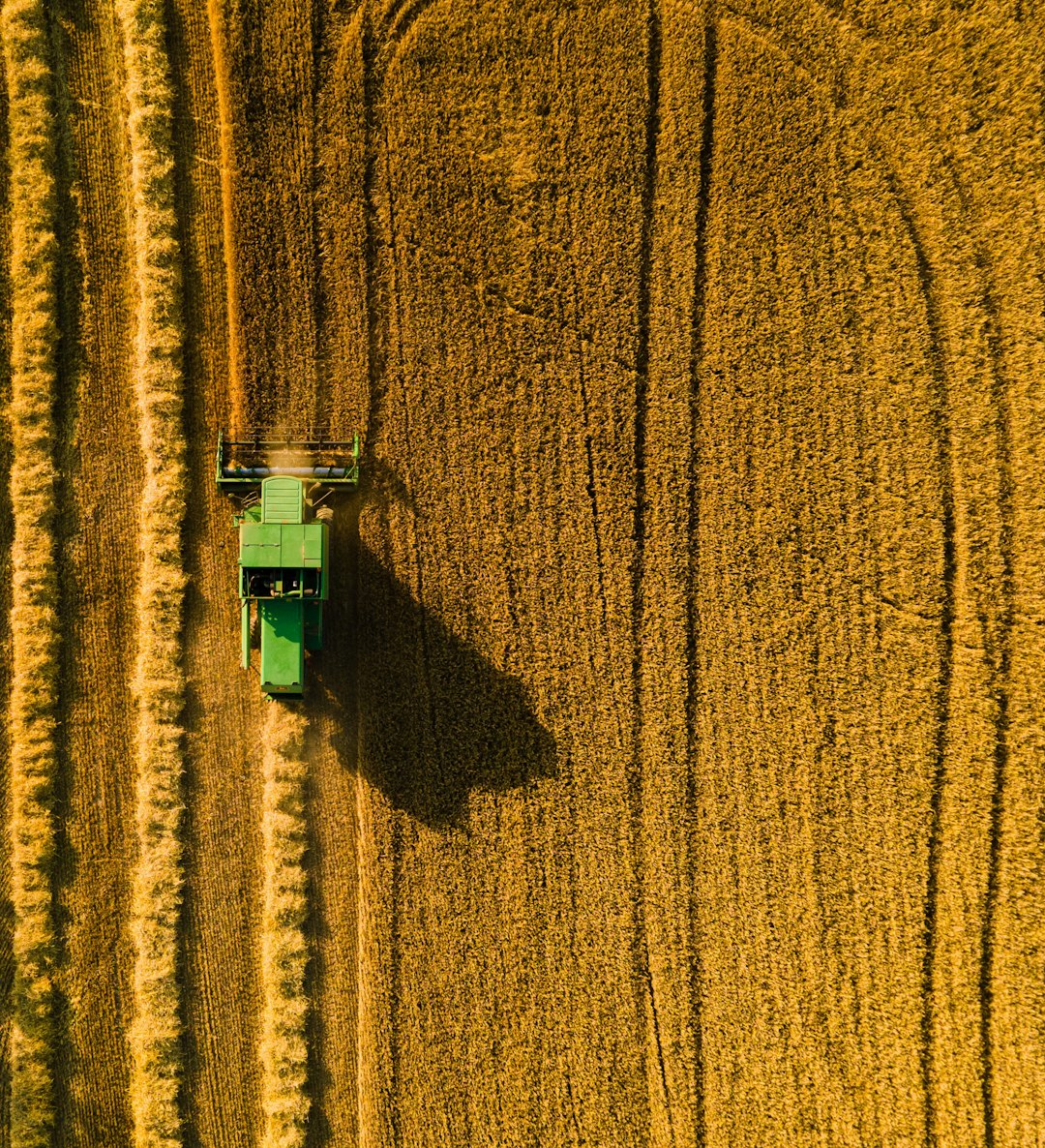
Discover bio-stimulants with betaines and polyamines in agriculture, their benefits, and how to apply them to optimize your crops. Get informed now!.
Introduction to Bio-stimulants
In organic agriculture, bio-stimulants play a crucial role in improving the health and performance of crops. In this article, we will focus on bio-stimulants that contain betaines and polyamines, substances that have shown great efficacy in promoting plant growth and resistance to abiotic stress. These compounds are especially relevant in the context of organic agriculture in Argentina, where the goal is to maximize production without resorting to harmful chemical inputs.
Mechanism of Action of Betaines and Polyamines

Bio-stimulants that include betaines and polyamines act through various mechanisms. Betaines, which are osmoprotective compounds, help plants regulate their water balance, allowing for better water management under stress conditions. This translates into greater tolerance to drought and salinity, critical factors in many agricultural regions of Argentina.
On the other hand, polyamines are involved in cellular processes that promote growth and cell division. They act as growth regulators and can influence protein synthesis and plant responses to adverse conditions. The combination of these two elements enhances the plants’ ability to adapt and thrive in challenging environments.
Betaines: Osmoprotective Effects
Betaines, such as anhydrous betaine and glycine betaine, are compounds derived from amino acids that play a fundamental role in cellular protection during stress conditions. They stabilize protein structures and cell membranes, which is crucial for maintaining cellular integrity under high salinity or drought situations. Studies have shown that plants treated with betaines can reduce water loss through stomata, increasing water use efficiency by 30% compared to untreated plants.
Polyamines: Growth Regulators
Polyamines, such as putrescine and spm, are compounds that are naturally produced in plants and are involved in regulating various physiological functions. These include DNA and RNA synthesis, cell cycle regulation, and response to plant hormones. Research has shown that the application of polyamines can increase the activity of antioxidant enzymes, helping plants mitigate oxidative damage caused by abiotic stress. A study conducted on corn crops revealed that the application of polyamines increased biomass production by 25% under water stress conditions.
Biochemical Mechanisms Involved
The use of betaines and polyamines in agriculture is supported by well-documented biochemical mechanisms. Betaines act as osmoprotectors by intervening in the osmotic regulation of cells, allowing plants to maintain cellular turgor under water stress conditions. This is because betaines help stabilize proteins and cellular structures, reducing stress-induced protein denaturation.
Polyamines, for their part, are involved in protein biosynthesis and gene expression modulation. These molecules have been shown to regulate the activity of enzymes involved in nitrogen and carbon metabolism, resulting in more vigorous growth. For example, it has been observed that the application of polyamines can induce the synthesis of stress tolerance-related proteins, such as chaperones, which protect other proteins from damage under adverse conditions.
Interaction with Abiotic Stress
Abiotic stress, which includes factors such as drought, salinity, and extreme temperatures, can have devastating effects on crops. The application of betaines and polyamines helps plants cope with these adversities by activating cellular signaling pathways that promote defense and adaptation. For example, it has been shown that betaines increase the accumulation of antioxidant compounds, such as glutathione, which protect cells from oxidative damage. Additionally, polyamines have been shown to induce the production of abscisic acid, a hormone that plays a crucial role in the response to drought, allowing plants to close their stomata and reduce transpiration.
Proven Benefits in Agriculture
Agronomic studies have shown that the use of bio-stimulants with betaines and polyamines can result in a series of significant benefits:
- Improvement in Germination: Bio-stimulants can accelerate the germination process, which is crucial for a successful crop start. In trials conducted with tomato seeds, it was observed that the use of betaines increased the germination rate by 15% compared to the control.
- Increased Stress Resistance: Plants treated with these bio-stimulants show greater resistance to adverse weather conditions, such as droughts or excess moisture. A study conducted on soybean crops showed that plants treated with polyamines withstood severe droughts, maintaining a yield that was 20% higher than untreated ones.
- Increase in Crop Quality: It has been shown that the use of these compounds improves the nutritional quality of agricultural products, which can translate into better market prices. In onion crops, the application of betaines resulted in a 10% increase in sugar content, thus improving the quality of the final product.
- SENASA Certification: Using bio-stimulants that comply with SENASA regulations ensures that crops are suitable for consumption and marketing, which is a critical aspect for producers in Argentina.
Results of Field Studies
Several field studies have documented the benefits of bio-stimulants in different crops. For example, in a trial conducted in Mendoza, bio-stimulants were applied to grape crops, and a 30% increase in grape production was observed compared to the control. Similarly, in corn crops in the province of Córdoba, a 15% increase in grain yield was reported after the application of polyamines during the flowering period.
Impact on Soil Health
In addition to the direct benefits to plants, bio-stimulants can also have a positive impact on soil health. The application of betaines and polyamines can stimulate soil microbial activity, contributing to humus formation and improving soil structure. A study conducted on wheat crops in southern Buenos Aires showed that the use of bio-stimulants increased microbial biodiversity by 40%, which translated into greater nutrient availability for plants.
Improvement in Nutrient Efficiency
The use of bio-stimulants has also been associated with an improvement in nutrient use efficiency. Betaines and polyamines can increase the absorption of essential nutrients, such as nitrogen and phosphorus, resulting in better growth and development of plants. A study on sunflower crops showed that the application of bio-stimulants increased nitrogen absorption by 20%, which resulted in a significant increase in seed production. This improvement in nutrient efficiency is especially important in organic farming systems, where nutrient availability may be limited.
How to Apply Bio-stimulants in Organic Crops
The application of bio-stimulants should be done carefully to maximize their benefits. Here are some practical recommendations:
- Timing of Application: It is ideal to apply bio-stimulants during critical stages of crop development, such as germination and flowering. For example, in soybean crops, application during the seedling phase has been shown to be particularly effective in improving adaptation to water stress.
- Dosage: Following the manufacturer’s instructions is essential. Generally, a dose between 1-2 liters per hectare is recommended, depending on the type of crop and specific soil conditions. In trials conducted on tomato crops, it was found that a dose of 1.5 liters per hectare was optimal for maximizing yield.
- Mixing with Fertilizers: Bio-stimulants can be mixed with organic fertilizers to enhance their effects. Ensure that all products used are certified by SENASA to guarantee quality. In a study on potato crops, it was observed that the combination of bio-stimulants with organic fertilizers increased yield by 18% compared to the use of fertilizers alone.
- Monitoring Results: Monitor crop performance after application to adjust future usage strategies. This includes measuring variables such as growth rate, product quality, and stress resistance.
Practical Examples of Field Application
In agricultural practice, the application of bio-stimulants with betaines and polyamines has been integrated into various agronomic management strategies. For example, a sunflower producer in the province of Buenos Aires applied a bio-stimulant at the time of planting and observed not only an increase in germination rate but also a significant improvement in pest resistance, resulting in a 25% reduction in pesticide use. Another case is that of a fruit grower who, by applying bio-stimulants during the flowering period, improved fruit set, resulting in a 30% increase in production compared to previous years.
Considerations on Product Compatibility
It is vital to consider the compatibility of bio-stimulants with other products used in crop management. For example, some studies have indicated that the combination of betaines with certain fungicides can enhance the effectiveness of the latter, achieving greater protection against diseases. However, it is essential to conduct compatibility tests before making large-scale mixtures to avoid adverse interactions.
Economic Impact and Sustainability
The implementation of bio-stimulants in organic crops not only improves productivity but also has a significant economic impact. Producers who have adopted the use of betaines and polyamines have reported an increase in their profit margins. For example, an economic analysis in corn crops showed that the use of bio-stimulants can result in a return on investment (ROI) of up to 300% compared to conventional methods. Additionally, the use of bio-stimulants contributes to more sustainable agricultural practices, reducing dependence on chemical inputs and promoting the health of the agricultural ecosystem.
Reduction of Input Costs
The use of bio-stimulants can also contribute to reducing input costs. By improving nutrient and water use efficiency, farmers can reduce the amount of fertilizers and irrigation needed to achieve optimal yields. A study conducted on vegetable crops showed that farmers who used bio-stimulants managed to reduce fertilizer use by 30% without compromising crop yield. This not only decreases operational costs but also minimizes the environmental impact associated with the over-application of chemical inputs.
Promotion of Diversity in Crops
The implementation of bio-stimulants can also promote diversity in crops. By improving stress resistance and the overall health of plants, farmers can experiment with a greater variety of crops, including less common species or local varieties that may be more resilient to climate changes. This not only contributes to agricultural biodiversity but can also open new market opportunities for producers.
Examples of Diverse Crops and Use of Bio-stimulants
In practice, the diversification of crops through the use of bio-stimulants has shown positive results. For example, in regions of Córdoba, a farmer decided to incorporate quinoa and amaranth crops along with his corn and soybean crops. By applying bio-stimulants that contained betaines and polyamines, he observed not only an increase in the yield of these alternative crops but also an improvement in soil quality and a reduction in pest incidence, resulting in a more resilient agricultural system.
Related Articles
Need professional help?
At in Argentina, Latin America, we offer agriculture. Call us: +54 11 0000 0000.
Conclusions
Bio-stimulants containing betaines and polyamines represent a valuable tool for farmers seeking to improve the health of their crops and increase resistance to abiotic stress. Through their multiple mechanisms of action, these compounds not only promote vigorous growth but also contribute to the sustainability of organic agriculture. With proper application and careful agronomic management, the benefits of these bio-stimulants can be significant, both in terms of yield and crop quality.
Future Perspectives on the Use of Bio-stimulants
As research on bio-stimulants advances, new formulations and combinations are expected to emerge that further enhance the effects of betaines and polyamines. Biotechnology and precision agriculture may play a crucial role in optimizing their use, allowing farmers to apply bio-stimulants more specifically and efficiently. Additionally, the growing demand for organic and sustainable products will drive interest in these compounds, promoting their adoption globally.
Research and Development in Bio-stimulants
Research on bio-stimulants is constantly evolving, and new technologies are being implemented to improve their effectiveness. Recent studies have explored the use of nanoparticles to enhance the delivery of betaines and polyamines to plant cells, which could increase their absorption and effectiveness. For example, a study published in the Journal of Agricultural and Food Chemistry demonstrated that the encapsulation of polyamines in lipid nanoparticles improved the stability and bioavailability of these compounds in tomato crops, resulting in a 40% increase in yield.
Integration of Bio-stimulants in Cultivation Systems
The integration of bio-stimulants into cultivation systems is becoming a common practice. Farmers are beginning to see these products not just as additives but as essential components of a holistic approach to sustainable agriculture. By combining bio-stimulants with crop management practices, such as crop rotation and conservation agriculture, a synergy can be achieved that maximizes agronomic benefits. For example, in a study in the province of Santa Fe, producers who implemented a crop rotation system along with the application of bio-stimulants reported a 50% increase in soybean production over three years.
Customized Bio-stimulant Formulations
The development of customized formulations that combine betaines and polyamines with other active ingredients, such as seaweed extracts or humic acids, is gaining popularity. These formulations can provide a more comprehensive approach to crop management, addressing multiple factors affecting plant growth and health. In a trial conducted on onion crops, it was observed that a mixture of bio-stimulants with seaweed extracts increased plant resistance to fungal diseases by 35%, resulting in superior yield.
Challenges in the Implementation of Bio-stimulants
Despite the numerous benefits, the implementation of bio-stimulants also presents challenges. One of the main obstacles is the lack of knowledge and training among farmers regarding the proper use of these products. Education programs and workshops on bio-stimulant management are essential to maximize their potential. Additionally, variability in environmental conditions and soil characteristics can affect the effectiveness of bio-stimulants, requiring an adaptive approach to their application.
Related Articles
- Home
- Biological Fertilizers for Corn: Advantages and SENASA Certification
- Regenerative Agriculture in Rice: Ecoganic Bio-stimulants
Frequently Asked Questions
What are bio-stimulants?
Bio-stimulants are products that promote plant growth and health through biological mechanisms, without being fertilizers themselves.
Are bio-stimulants safe for the environment?
Yes, organic bio-stimulants are generally safe and are designed to be used in sustainable agricultural practices.
How do bio-stimulants differ from fertilizers?
Bio-stimulants enhance the physiological functions of plants while fertilizers provide essential nutrients.
Where can I purchase bio-stimulants with betaines and polyamines?
You can check our product section to find suitable options for your crops.