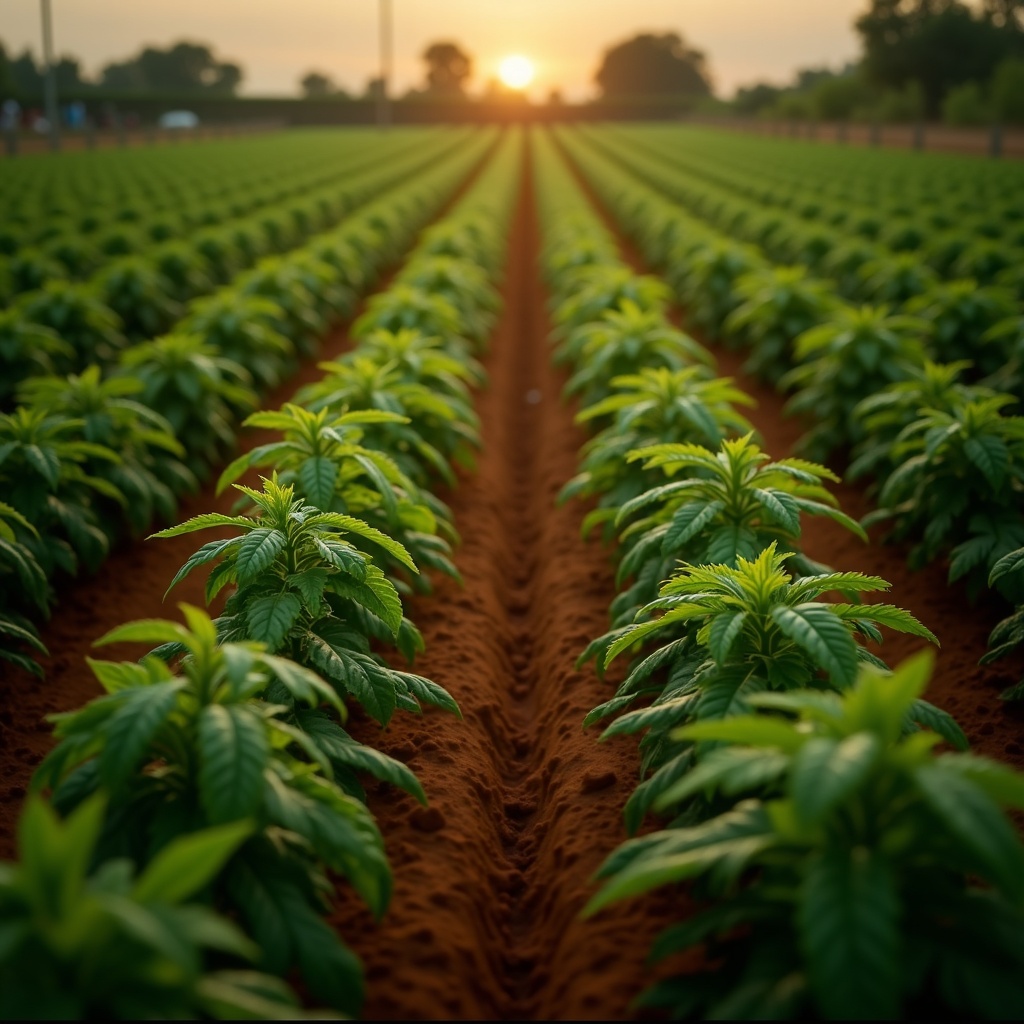
Learn about biostimulants for tomatoes: when to apply, doses, and real results. Improve your crop effectively. Request your free quote!
Introduction
The biostimulants for tomatoes are solutions that enhance the productivity of this crop, optimizing its development and resistance to environmental factors. Applying these products at the right time and in the correct dose is crucial for achieving optimal results. In this article, we will analyze when and how to apply biostimulants in tomato crops, as well as the real results that can be expected, based on field experiences and current regulations in Argentina, including SENASA recommendations.
When to apply biostimulants
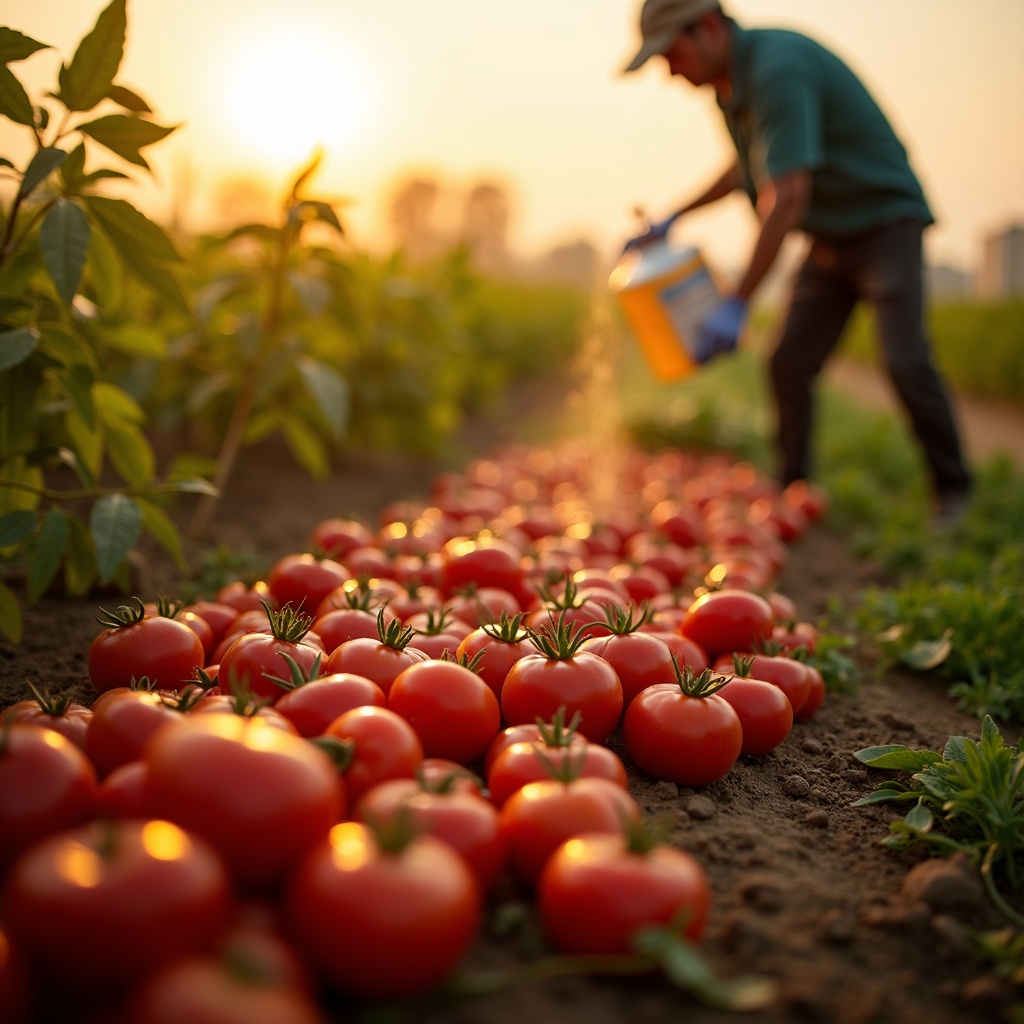
The application of biostimulants should be carried out at critical moments in the plant’s life cycle. Below are the most suitable phases for their application:
- Pre-sowing: Applying biostimulants before sowing helps improve germination and the establishment of seedlings. Studies have shown that the application of seaweed extracts at this time can increase the germination rate by 15-20%.
- Vegetative development: During this phase, biostimulants can be applied to increase biomass production and stress resistance. The application of amino acids at this stage has shown a 25% increase in leaf biomass.
- Flowering: It is advisable to apply biostimulants during this period to ensure good fruit set and improve harvest quality. In greenhouse trials, it has been observed that biostimulants can increase the fruit set rate by 30%.
- Before harvest: Applying biostimulant products at this time can help improve fruit quality and shelf life. Research indicates that tomatoes treated with fulvic acid before harvest can have a shelf life 15% longer.
Pre-sowing Phase
The pre-sowing phase is fundamental, as it lays the foundation for the future development of the crop. During this stage, it is recommended to apply biostimulants containing seaweed extracts, which are rich in phytohormones and micronutrients. These compounds not only favor germination but also activate defense mechanisms in seedlings, improving their resistance to diseases in later stages. A study in the province of Salta demonstrated that the use of seaweed extracts in pre-sowing resulted in seedlings with a 30% lower incidence of fungal diseases during initial development.
Vegetative Development Phase
During vegetative development, the tomato plant requires an adequate supply of nutrients and water. Biostimulants containing amino acids can be especially beneficial, as these compounds are essential for protein synthesis and cell growth. It has been shown that the application of amino acids can increase the photosynthesis rate by 20%, resulting in more robust growth. Additionally, the use of biostimulants based on worm humus at this phase has shown an increase in soil microbial activity, improving nutrient availability. In a trial in the province of Buenos Aires, it was observed that tomatoes treated with worm humus had 40% more nutrients available in the soil compared to untreated ones.
Flowering Phase
In the flowering phase, the application of biostimulants can be crucial to maximize fruit production. Products containing mycorrhizal fungi extracts have been shown to improve nutrient and water absorption, which can result in more efficient fruit set. In trials conducted, a 30% increase in fruit production was observed in plants treated with mycorrhizae compared to untreated ones. Furthermore, the application of biostimulants based on azospirillum, a beneficial microorganism, at this phase has shown an increase in the production of plant hormones that favor flowering, resulting in 25% more set flowers compared to the control.
Phase Before Harvest
The application of biostimulants before harvest is key to improving the final quality of the product. Products containing fulvic acid not only help in the uniform ripening of tomatoes but also enhance the soluble solids content, resulting in better flavor. In field trials, tomatoes treated with fulvic acid showed a 12% increase in sugar content, which is highly valued by consumers. Additionally, the application of biostimulants based on chitosan has been shown to improve resistance to post-harvest diseases, reducing the incidence of rotting by 20% compared to untreated tomatoes, resulting in greater market acceptance.
Recommended Doses
The doses of biostimulants can vary depending on the type of product and environmental conditions. Below is a table with recommended doses for different biostimulants used in tomatoes:
| Type of Biostimulant | Dose (L/ha) | Application Timing |
|---|---|---|
| Seaweed extract | 1-2 | Pre-sowing and vegetative development |
| Amino acids | 1-2 | Flowering |
| Fulvic acid | 2-4 | Vegetative development and before harvest |
| Beneficial microorganisms | 2-5 | Pre-sowing |
Considerations on Doses
It is essential to conduct a soil and leaf tissue analysis before applying biostimulants to adjust the doses according to the specific needs of the crop. An excess of biostimulants can lead to uncontrolled vegetative growth and negatively affect fruit production. For example, in a study in the province of San Juan, it was observed that doses exceeding 2 L/ha of seaweed extract resulted in a 15% lower fruit production due to excessive foliage growth. Additionally, it is recommended to make applications under adequate humidity conditions, as this can improve the absorption of biostimulants and avoid losses due to evaporation or degradation.
Foliar Application vs. Soil Application
The method of application also influences the effectiveness of biostimulants. Foliar application may be more effective for certain products, such as amino acids and seaweed extracts, as they allow for rapid absorption by the leaves. In contrast, soil application is more suitable for beneficial microorganisms, which can colonize the root system and improve soil health in the long term. In comparative experiments, foliar application of amino acids showed a 20% increase in yield compared to soil application. However, the combination of both techniques can result in a positive synergy, where foliar application enhances rapid absorption, while soil application ensures a lasting supply of nutrients and beneficial microorganisms.
Application Results
The results of applying biostimulants in tomato crops are varied and depend on multiple factors such as the type of biostimulant, the dose, and the crop conditions. Some of the observed benefits include:
- Increase in yield: Biostimulants can increase the number of fruits harvested per hectare. In studies conducted, a 20-30% increase in total tomato yield has been reported after the application of biostimulants. A trial conducted in the province of Mendoza showed a 35% increase in yield after applying a biostimulant based on amino acids and seaweed extracts.
- Improvement in fruit quality: Treated tomatoes tend to have better flavor, color, and consistency. Research has shown that tomatoes treated with biostimulants have 15% more soluble solids and a more intense color, making them more attractive in the market. A study in the province of Santa Fe demonstrated that tomatoes treated with a biostimulant based on fungal extracts showed 20% more firmness, allowing for better preservation during transport.
- Stress resistance: Crops are more resilient to adverse conditions, such as droughts or pests. Biostimulants help activate natural defense mechanisms in plants, increasing their tolerance to water stress by 25% according to field studies. A trial in the province of Tucumán showed that tomatoes treated with a chitosan-based biostimulant had 30% less drought damage compared to the control group.
- Reduction of chemical inputs: By improving soil and plant health, the need for fertilizers and pesticides can be reduced. In a study in Córdoba, farmers who applied biostimulants reduced fertilizer use by 20% without compromising crop yield. Additionally, the reduction in pesticide use was 15%, contributing to a more sustainable and environmentally friendly production.
Case Studies
Several case studies have demonstrated the effectiveness of biostimulants in tomato cultivation. For example, in a trial conducted in the province of Tucumán, farmers applied a treatment of seaweed extracts and observed a 40% increase in yield, as well as a notable improvement in fruit quality. Another case in the province of Entre Ríos showed that the application of beneficial microorganisms resulted in a 30% decrease in pests, allowing farmers to reduce pesticide use. Additionally, in the province of La Pampa, a long-term study was conducted using an amino acid-based biostimulant, and it was observed that after three seasons, the average yield of tomato crops increased by 50% compared to crops that did not receive treatment.
Our Experience
At Ecoganic, we have worked on several projects in Argentina and Latin America applying biostimulants for
Related Articles
Frequently Asked Questions
What are the prices of biostimulants for tomatoes?
Prices range from $2,000 to $10,000 ARS per liter.
Where can I buy biostimulants for tomatoes?
In specialized stores or through authorized distributors.
What is the delivery time for biostimulants?
It is usually 5 to 10 business days.
What brands of biostimulants are recommended?
Brands that comply with SENASA regulations are recommended.
Can biostimulants help in water stress conditions?
Yes, they improve tolerance to water stress.
Are biostimulants safe for the environment?
Yes, they are safe if they comply with organic agriculture regulations.
What is the difference between a biostimulant and a fertilizer?
Biostimulants improve plant health; fertilizers provide nutrients.
How can I know if a biostimulant is effective?
By evaluating yields and crop quality before and after its application.