
Discover how bio-stimulants with beneficial microorganisms improve organic farming in Argentina. Learn how to apply them and optimize your crops.
Introduction to bio-stimulants
Bio-stimulants with microorganisms are revolutionizing organic farming in Argentina. These products, regulated by the SENASA, offer sustainable alternatives for crop management, improving soil health and increasing productivity without relying on harmful chemical inputs.
Definition of bio-stimulants
Bio-stimulants are formulations that contain living microorganisms, plant extracts, or natural compounds that, when applied to plants or soil, enhance the physiological functions of plants, promoting their growth and productivity. These products are different from fertilizers and pesticides, as they do not provide nutrients directly but stimulate the natural capabilities of plants.
Importance of bio-stimulants in sustainable agriculture
Agriculture faces significant challenges, such as soil degradation, climate change, and the growing demand for food. Bio-stimulants represent a viable solution, as they help increase resource use efficiency and improve the health of the agricultural ecosystem. According to a study by the FAO, the use of bio-stimulants could increase agricultural production by 20-30%, which is crucial to meet global food demand.
Mechanism of action of microorganisms
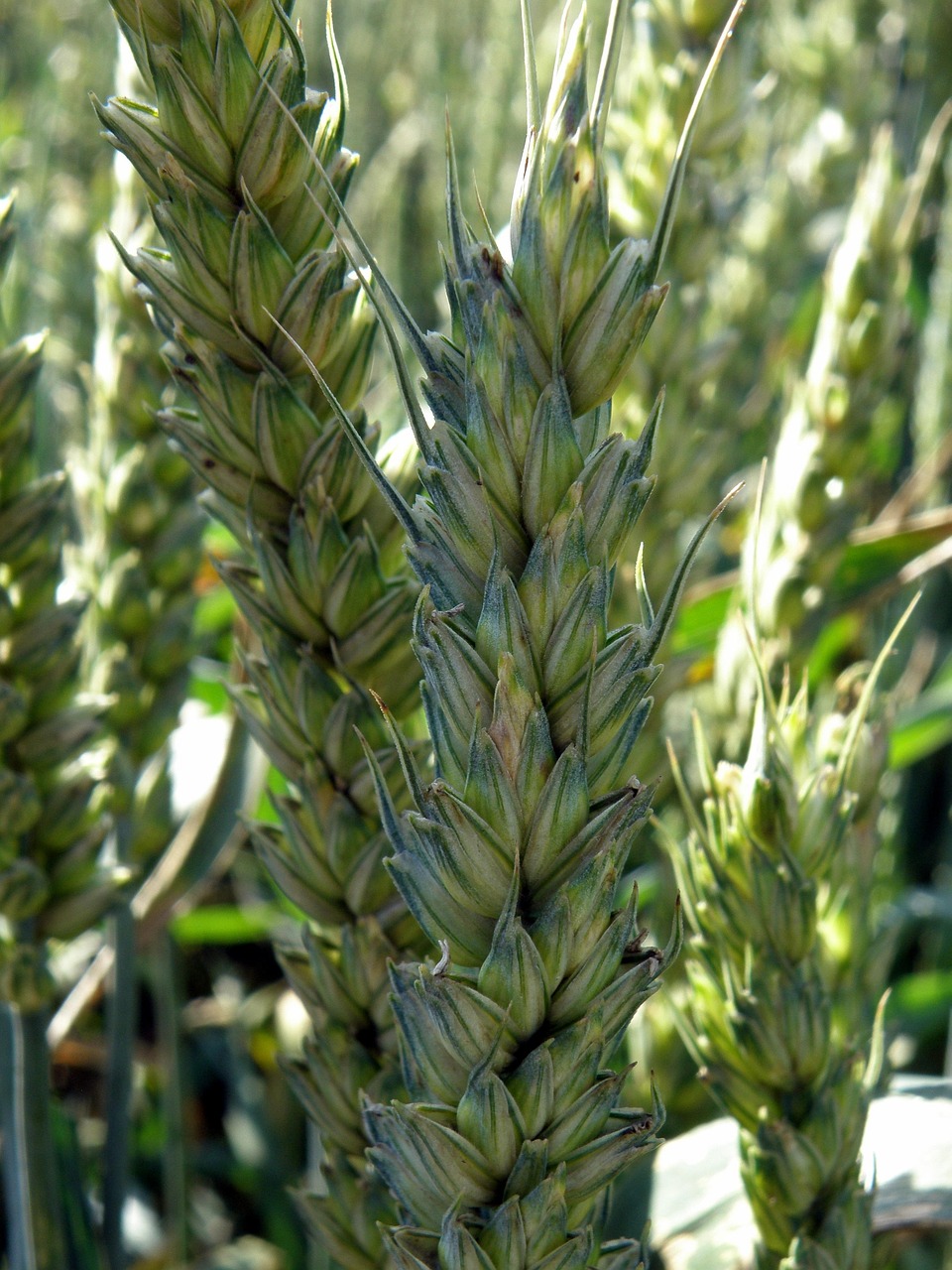
Bio-stimulants act through various mechanisms. Beneficial microorganisms, such as bacteria and fungi, colonize plant roots, facilitating the absorption of nutrients and water. Additionally, these organisms can:
- Solubilize nutrients: They transform inorganic nutrients into forms that plants can assimilate. For example, certain species of Rhizobium convert atmospheric nitrogen into forms that plants can absorb. This is crucial, as nitrogen is a limiting nutrient in many agricultural soils.
- Stimulate growth: They produce plant hormones such as auxins, gibberellins, and cytokinins that promote root development and shoot formation. A study published in the Journal of Applied Microbiology demonstrated that the application of Azospirillum brasilense can increase root growth in corn by up to 50%.
- Protect against pathogens: They compete with harmful microorganisms, reducing diseases. For example, mycorrhizal fungi, such as Glomus spp., can increase plant resistance to soil diseases by improving root system health.
Biochemical mechanisms of action
The biochemical mechanisms through which bio-stimulants exert their effect are complex and varied. On one hand, beneficial microorganisms can induce the production of secondary metabolites in plants, such as phenols and flavonoids, which have antioxidant properties and improve stress resistance. A study in rice crops showed that the use of a bio-stimulant based on Trichoderma increased the concentration of phenolic compounds by 30%, resulting in greater tolerance to adverse conditions.
Furthermore, bio-stimulants can activate signaling pathways in plants, such as the salicylic acid pathway, which is crucial for the defense response against pathogens. Research indicates that the application of certain microorganisms can increase salicylic acid production in plants by 40%, thus improving their ability to resist infections.
Symbiotic interaction between plants and microorganisms
The symbiosis between plants and beneficial microorganisms is an essential phenomenon in agriculture. Plant roots exude organic compounds that attract soil microorganisms. These microorganisms, in turn, enhance nutrient availability and soil health. For example, the symbiosis between legumes and Rhizobium not only improves nitrogen fixation but also enriches the soil, benefiting subsequent crops.
A recent study in alfalfa crops demonstrated that interaction with Rhizobium increased nitrogen fixation by 50%, which not only benefited alfalfa but also improved soil quality, increasing nitrogen availability for subsequent crops like corn. This highlights the importance of symbiotic relationships in agricultural sustainability.
Proven benefits in organic farming
The benefits of using bio-stimulants with microorganisms in organic farming are significant. Studies conducted by the INTA have shown that their use can:
- Increase soil biodiversity, creating a healthy ecosystem. Microbial diversity is fundamental for soil resilience and its ability to support different crops.
- Reduce dependence on chemical fertilizers, resulting in economic savings. For example, a study in the province of Mendoza showed that the application of bio-stimulants reduced the need for chemical fertilizers by 30% without affecting crop yield.
- Enhance crop resilience to adverse climatic conditions. Bio-stimulants can help plants withstand water stress and extreme temperatures, resulting in greater yield stability. A trial in Buenos Aires demonstrated that crops treated with bio-stimulants showed a 25% lower drop in production during a drought.
Impact on the quality of the final product
The use of bio-stimulants not only improves crop yield but can also positively influence the quality of the final product. A study in fruit crops in the province of Córdoba showed that the application of a bio-stimulant based on Bacillus improved the size and firmness of the fruits, increasing their commercial value. In this case, the diameter of the fruits increased by 15%, and firmness by 20%, resulting in better market prices.
Additionally, bio-stimulants can contribute to improving the nutritional composition of crops. A trial conducted on tomato crops revealed that the application of a specific bio-stimulant increased lycopene content by 30%, a compound beneficial for human health. This not only improves product quality but can also open new market opportunities for farmers.
Case studies on the application of bio-stimulants
In a study conducted in the Salta region, bio-stimulants were applied to soybean crops, resulting in a 20% increase in yield compared to untreated crops. This increase was attributed to better nutrient absorption and a more robust root system. Another case in the province of Tucumán demonstrated that the use of bio-stimulants in citrus improved fruit quality and increased resistance to diseases such as gummosis.
Furthermore, a trial in corn crops in the province of Santa Fe showed that the application of a bio-stimulant based on Pseudomonas resulted in an 18% increase in yield and a 40% reduction in the incidence of foliar diseases. These results highlight the importance of bio-stimulants in improving crop health and productivity.
How to apply bio-stimulants to your crops
The application of bio-stimulants should be done following the manufacturer’s recommendations and SENASA regulations. Some general steps are:
- Choosing the product: Select a suitable bio-stimulant for the crop and soil type. For example, if legumes are grown, one might opt for a bio-stimulant containing Rhizobium, while for vegetable crops, a product with mycorrhizae might be more effective.
- Application: It can be foliar or soil-based, depending on the formulation. Generally, it is recommended to apply during the early stages of the crop. Foliar application may be more effective in early stages, while soil application can be done during planting or transplanting.
- Frequency: Periodic applications are recommended, especially at the beginning of the growth cycle. The frequency will depend on the type of bio-stimulant and environmental conditions. Under stress conditions, applications could be made every 15 days.
Factors to consider for effective application
To maximize the effectiveness of bio-stimulants, it is important to consider several factors. First, the state of the soil is crucial; it is recommended to conduct soil analyses to determine nutrient needs and the presence of beneficial microorganisms. For example, soil with low biodiversity may benefit more from the application of bio-stimulants.
Additionally, environmental conditions, such as temperature and humidity, play a fundamental role in the efficacy of bio-stimulants. It has been observed that applications under high humidity and moderate temperatures can result in greater microbial activity. A study in onion crops showed that applications of bio-stimulants in the morning, when soil moisture is higher, resulted in a 25% increase in microbial activity compared to afternoon applications.
Practical examples of field application
A practical example of bio-stimulant application can be observed in tomato production in greenhouses. By applying a bio-stimulant based on Bacillus subtilis, a 40% reduction in the incidence of foliar diseases and a 15% increase in total harvest yield were achieved. In another case, in wheat crops, a bio-stimulant with Trichoderma harzianum was used, improving crop health and reducing the need for fungicides by 50%. These applications demonstrate the effectiveness of bio-stimulants in enhancing productivity and sustainability of crops.
Another example is presented in corn production in the province of Chaco, where a bio-stimulant with Azospirillum was applied, resulting in a 22% increase in yield. Additionally, soil analyses showed a 35% increase in nitrogen activity, suggesting improved availability of this nutrient for plants. This case illustrates how bio-stimulants not only impact immediate yield but also contribute to the long-term health of the soil.
In an experiment conducted in the province of Jujuy, bio-stimulants were applied to potato crops, achieving a 30% increase in yield and a 20% reduction in pest incidence. This result was attributed to improved soil health and stimulation of root growth, allowing for better absorption of water and nutrients. Additionally, the tubers exhibited a more uniform size and greater storage resistance, resulting in lower post-harvest losses.
For more information about our products, visit Ecoganic.
Considerations on the quality and regulation of bio-stimulants
It is essential that the bio-stimulants used in agriculture comply with national and international regulations that ensure their quality and effectiveness. In Argentina, SENASA regulates the manufacture and marketing of these products, ensuring that they are free from contaminants and that their benefits are supported by scientific evidence.
The quality of bio-stimulants can vary widely, so it is important to choose products that have undergone validation processes and have effectiveness studies. Producers should request information about the product’s composition, the microorganisms present, and the results of previous field trials. This way, it will be ensured that the selected bio-stimulant will indeed provide benefits to their crops.
Regulations and certifications
The regulations for bio-stimulants include regulations on the safety of the microorganisms used, production methods, and effectiveness testing. In Europe, for example, legislation on bio-stimulants is constantly evolving, and products are expected to meet the standards of the European Union to be marketed. This includes the need for studies demonstrating the positive effect of bio-stimulants on plant growth and soil health.
In Argentina, producers must ensure that bio-stimulants are registered with SENASA and have the corresponding certification. This not only guarantees product quality but also protects the farmer against potential fraud or ineffective products.
Research and development in bio-stimulants
The field of bio-stimulants is the subject of intense research. Universities and research centers in Argentina are conducting studies to identify new beneficial microorganisms and improve existing formulations. Recent research has shown that certain strains of bacteria and fungi are not only effective in promoting growth but can also help plants adapt to stress conditions, such as droughts or saline soils.
For example, a study at the National University of La Plata demonstrated that the application of a bio-stimulant based on Azospirillum lipoferum significantly improved salinity tolerance in corn crops, increasing yield under saline stress conditions by 30%. This opens new opportunities for the use of bio-stimulants in regions affected by soil salinity, a growing problem in many agricultural areas.
Development of bio-stimulants from agricultural waste
Another innovative approach in the development of bio-stimulants is the use of agricultural waste as raw material. Research is exploring the possibility of using by-products from the agri-food industry, such as sugarcane bagasse or olive oil production waste, to create natural bio-stimulants. These products would not only be sustainable but would also contribute to the circular economy, reducing waste and generating added value from residues.
A study conducted at the National University of Córdoba demonstrated that a bio-stimulant made from wine industry waste increased the growth of tomato seedlings by 25% compared to a treatment without bio-stimulant. This approach not only improves crop yields but also promotes more sustainable agricultural practices.
Environmental impact of bio-stimulants
The use of bio-stimulants in agriculture not only benefits crops but also has a positive impact on the environment. By reducing dependence on chemical fertilizers and pesticides, bio-stimulants help decrease soil and water pollution. A study by INTA showed that in fields where bio-stimulants were applied, there was a 40% reduction in nitrate leaching, thus contributing to the protection of nearby water bodies.
Moreover, bio-stimulants promote microbial biodiversity in the soil. A more diverse soil is more resilient and can better withstand adverse conditions, such as droughts or floods. Research has shown that the application of bio-stimulants can increase microbial species diversity by 50%, which in turn improves soil health and its ability to store carbon, aiding in climate change mitigation.
Future perspectives on the use of bio-stimulants
With the growing interest in sustainable agriculture, the use of bio-stimulants is expected to continue to rise. Research in this field is constantly evolving, and new products and formulations are being developed that can address specific crop needs and environmental conditions. For example, bio-stimulants that not only promote growth but also act as bio-fertilizers, providing essential nutrients to plants, are being explored.
Additionally, advances in biotechnology and genomics will allow for the identification and selection of more efficient and specific microorganisms, which may lead to the creation of more effective bio-stimulants. The integration of precision technologies in agriculture, such as the use of drones and sensors, will also facilitate the precise application of bio-stimulants, optimizing their use and maximizing benefits for crops.
Related Articles
Need professional help?
At in Argentina, Latin America, we offer agriculture. Call us: +54 11 0000 0000.
Bio-stimulants with Beneficial Microorganisms: Mechanisms and Application
Bio-stimulants containing beneficial microorganisms, such as bacteria and fungi, primarily act by improving nutrient availability, promoting root growth, and mitigating abiotic stress. These microorganisms can solubilize phosphorus and other nutrients, increasing their absorption in plants by 20-30% compared to their use without bio-stimulants.
Additionally, studies have shown that the use of these products can increase crop yield by 15-25%, depending on the type of crop and environmental conditions. For example, in corn crops, an increase of up to 1.5 tons per hectare has been recorded when applying specific bio-stimulants.
To apply bio-stimulants, it is recommended to perform a foliar or soil application at critical stages of plant growth, such as the beginning of flowering or root development. The typical dose varies between 1-5 liters per hectare, adjusting according to the manufacturer’s recommendations and soil conditions.
Frequently Asked Questions
What are bio-stimulants with microorganisms?
They are products that contain beneficial microorganisms that improve soil health and crop productivity.
How do bio-stimulants affect agricultural production?
They help increase nutrient availability, stimulate plant growth, and protect against diseases.
Are bio-stimulants safe for the environment?
Yes, they are designed to be used in organic farming, complying with SENASA regulations.
Where can I purchase bio-stimulants in Argentina?
You can find them in agricultural supply stores or consult Ecoganic for more information.