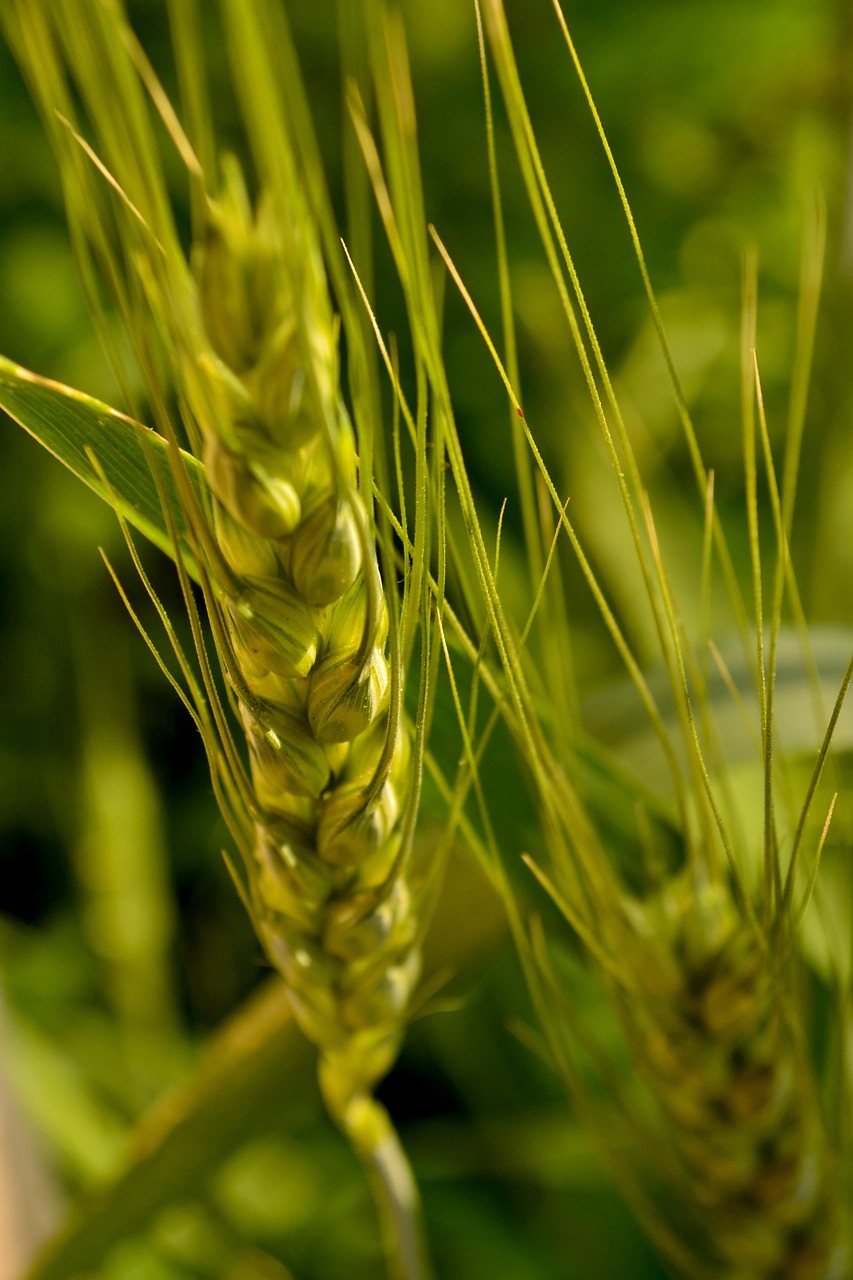
Discover the biostimulant with hydrolyzed amino acids in agriculture: its mechanism of action, proven benefits, and how to apply it to optimize your crops.
Introduction to Biostimulants
In the current context of organic agriculture in Argentina, the use of biostimulants with hydrolyzed amino acids has gained relevance. These products, regulated by SENASA, are essential for improving the health and productivity of crops. In this article, we will explore their mechanism of action, proven benefits, and application recommendations.
Mechanism of Action of Hydrolyzed Amino Acids
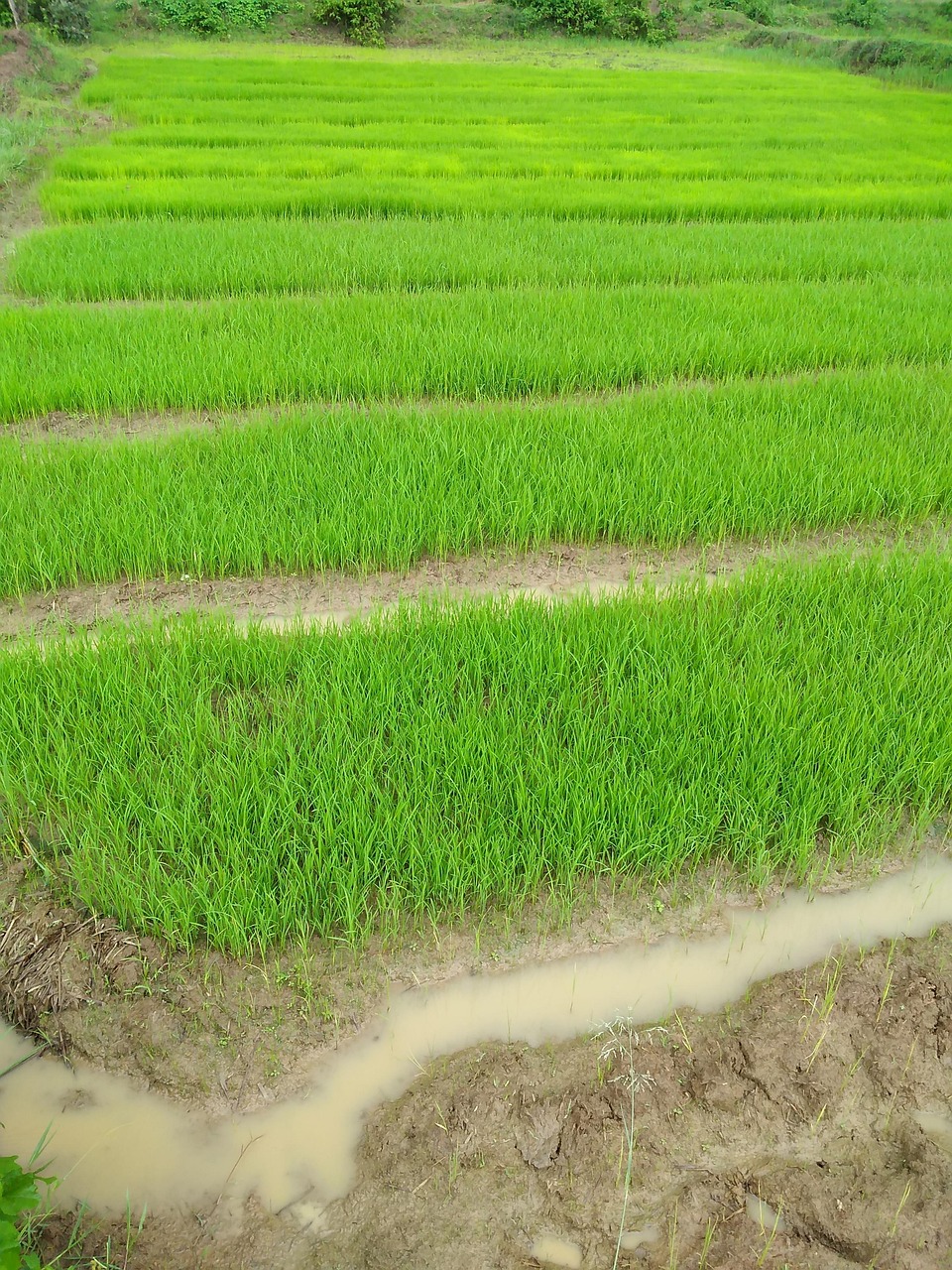
Hydrolyzed amino acids act as precursors to various metabolic pathways in plants. When applied, these compounds facilitate nutrient absorption and stimulate enzymatic activity, enhancing plant growth. These biostimulants can significantly improve plant responses to adverse conditions, such as droughts or depleted soils.
Interaction with the Soil
In addition to their direct effects on plants, hydrolyzed amino acids promote soil microbiota. This fosters a healthier and more balanced ecosystem, which is crucial for organic agriculture. Recent studies suggest that the application of amino acids can increase nutrient availability in the soil, resulting in better root development and, consequently, more robust plant growth.
Research has shown that adding amino acids to the soil can increase the activity of beneficial microorganisms, such as nitrogen-fixing bacteria and mycorrhizal fungi. These microorganisms not only assist in nutrient assimilation but also improve soil structure, increasing its capacity to retain water and nutrients. A study conducted by the National University of La Plata showed that the application of hydrolyzed amino acids increased the population of microorganisms by 30%, which translated into a 25% increase in phosphorus availability in agricultural soils.
Stimulation of Plant Growth
Hydrolyzed amino acids, being organic compounds, are quickly assimilated by plants. This allows them to activate physiological processes such as photosynthesis, respiration, and protein synthesis. The application of amino acids can lead to a 20% increase in the rate of photosynthesis, resulting in faster and healthier plant growth. An experiment conducted on corn crops demonstrated that the application of hydrolyzed amino acids resulted in a 15% increase in grain yield compared to a control group without treatment.
Biochemical Mechanisms Involved
The action of hydrolyzed amino acids in plants is not only at the physical level but also involves complex biochemical mechanisms. For example, amino acids like glutamate and proline are essential in protein synthesis and in regulating osmotic balance within plant cells. These amino acids act as precursors to plant hormones, such as auxins and gibberellins, which are fundamental for plant growth and development.
Moreover, it has been observed that amino acids stimulate the production of secondary compounds, such as flavonoids and terpenoids, which not only enhance the plant’s defense against pathogens but can also increase the quality of the final product. A study conducted on tomato crops showed that treatments with amino acids increased the concentration of lycopene by 35%, thus improving the nutritional and commercial value of the fruit.
Regulation of Abiotic Stress
Hydrolyzed amino acids also play a critical role in mitigating abiotic stress. Under drought conditions, for example, amino acids like proline act as osmoprotectants, helping plants maintain turgor and regulate water balance. Studies have shown that the application of amino acids can reduce water loss by 20%, allowing plants to survive prolonged periods of water stress.
Additionally, the application of amino acids under saline conditions has shown promising results. A study on rice crops revealed that the use of hydrolyzed amino acids reduced sodium toxicity by 30%, allowing for healthier growth in saline soils. This highlights the importance of amino acids as tools to improve crop resilience to adverse conditions.
Benefits of Biostimulants with Amino Acids
The biostimulants with hydrolyzed amino acids offer multiple benefits, among which the following stand out:
- Increased Resilience: Plants treated with amino acids show greater resistance to adverse weather conditions, such as droughts and floods. This is because amino acids help regulate the water balance of plants and promote the synthesis of osmoprotective compounds.
- Improvement in Crop Quality: Amino acids optimize the quality of fruits, increasing their size and nutritional content. Studies have shown that crops treated with amino acids have 30% more sugar content and 20% more vitamin C compared to untreated ones.
- Reduction of Chemical Inputs: By improving nutrient efficiency, dependence on chemical fertilizers can be reduced, aligning with organic farming practices. This not only reduces costs for farmers but also minimizes the environmental impact of agriculture.
Improvement of Plant Health
Amino acids also play a crucial role in the overall health of plants. By acting as signaling molecules, they can induce defense responses in plants against pathogens and pests. For example, the application of amino acids can increase the production of phytoalexins, compounds that act as natural defenses against fungi and bacteria. Research has shown that the use of hydrolyzed amino acids can decrease the incidence of foliar diseases by 40%, resulting in a lower need for fungicide applications.
Strengthening of Cellular Structure
Amino acids are key components in the synthesis of structural proteins and enzymes. This means that their application can strengthen the cellular structure of plants, improving their resistance to stress factors such as wind, heavy rain, and pest pressure. In vegetable crops, for example, it has been observed that the use of hydrolyzed amino acids can reduce the incidence of fruit drop by 25%, resulting in a significant increase in total production.
Impact on the Nutrient Cycle
The use of hydrolyzed amino acids not only affects plant health but also has a positive impact on the nutrient cycle of the agricultural system. By improving microbial activity and nutrient availability in the soil, the absorption of essential elements such as nitrogen, phosphorus, and potassium is optimized. This translates into a more efficient nutrient cycle, where plants can access nutrients more effectively and quickly.
In a study conducted on wheat crops, it was observed that the application of hydrolyzed amino acids increased the nitrogen absorption rate by 40%, which correlated with a 15% increase in grain yield. This demonstrates how the integration of biostimulants can be a key strategy to maximize nutrient use efficiency in agriculture.
Application in Organic Agriculture
The application of biostimulants with hydrolyzed amino acids in organic crops requires attention to local regulations. In Argentina, SENASA establishes clear guidelines on the use of these products. It is essential to follow the manufacturer’s recommendations, as well as current regulations, to ensure the effectiveness and safety of biostimulant use.
For application, it is recommended to:
- Conduct soil analysis to determine nutrient needs.
- Apply biostimulants at strategic times, such as during the active growth of plants.
- Use application techniques that maximize absorption, such as fertigation or foliar application.
Effective Application Techniques
There are several techniques for applying biostimulants with hydrolyzed amino acids that can maximize their effectiveness. Fertigation, for example, allows nutrients to be absorbed directly by the roots, ensuring rapid availability. In vegetable crops, a 30% increase in nutrient use efficiency has been reported when amino acids were applied through this method.
Foliar application is another effective technique, especially during critical stages of plant development. Studies have shown that applying amino acids during water stress periods can reduce water loss through transpiration by 15%, helping plants maintain their turgor and overall health.
Success Cases in Argentina
There are numerous cases in Argentina where the implementation of biostimulants has shown positive results. Farmers who have incorporated these products into their practices have reported improvements in the productivity and sustainability of their crops, aligning with the principles of regenerative agriculture.
For example, in the province of Mendoza, a group of table grape farmers has used hydrolyzed amino acids during the flowering phase, resulting in a 20% increase in cluster size and a notable improvement in fruit quality. Similarly, in the Pampas region, soybean producers have reported a 15% increase in harvest yield after applying biostimulants during the critical grain filling period.
Monitoring Results
To ensure the effectiveness of biostimulants, it is crucial to establish a monitoring system that allows for the evaluation of results over time. This may include conducting soil analyses before and after application, as well as assessing the health and yield of crops. A data-driven approach enables farmers to adjust their practices and maximize the benefits of biostimulants.
A longitudinal study conducted on a corn crop in Buenos Aires showed that farmers who implemented a monitoring and evaluation plan for biostimulants achieved an average yield increase of 18% compared to those who did not use these practices. This not only improves profitability but also contributes to the long-term sustainability of agricultural systems.
Economic and Environmental Considerations
The use of biostimulants with hydrolyzed amino acids not only has agronomic benefits but also presents important economic and environmental considerations. The reduction in the use of chemical fertilizers can mean considerable savings for farmers, in addition to contributing to environmental conservation.
Costs and Return on Investment
The implementation of biostimulants may involve an initial cost, but the long-term benefits often justify this investment. A cost-benefit analysis conducted on onion crops in the province of Buenos Aires showed that farmers using hydrolyzed amino acids achieved a return on investment of up to 300% due to increased yield and improved product quality. This is especially relevant in markets where quality is a determining factor for price.
Environmental Impact
The reduction of chemical inputs not only benefits the farmer’s economy but also has a positive impact on the environment. The decrease in the use of synthetic fertilizers reduces water pollution and improves soil health. Additionally, the improvement in soil biodiversity, thanks to the use of biostimulants, promotes a more balanced ecosystem that can better withstand pests and diseases.
Related Articles
Need professional help?
At in Argentina, Latin America, we offer agricultural solutions. Call us: +54 11 0000 0000.
Future Research and Development
Research on biostimulants is constantly evolving. New studies are being conducted to better understand the mechanisms of action and to develop more effective and specific products for different crops. Biotechnology is also playing a crucial role in creating hydrolyzed amino acids from sustainable sources, which could lead to a more sustainable future in agriculture.
Innovations in Biostimulants
With the advancement of biotechnology, biostimulants that combine amino acids with other bioactive compounds, such as seaweed extracts and plant-derived compounds, are being developed. These combinations can further enhance positive effects on plants. For example, a recent study demonstrated that the combination of hydrolyzed amino acids with seaweed extract increased tomato plants’ tolerance to water stress conditions by 50% compared to treatment with amino acids alone.
Collaboration between Public and Private Sectors
Collaboration between universities, research centers, and private companies is essential for the development of innovative biostimulants. Initiatives such as joint research projects and training programs for farmers can help accelerate the adoption of these technologies. Additionally, creating knowledge networks and shared experiences can facilitate the dissemination of best practices in the use of biostimulants, benefiting the entire agricultural community.
Development of New Products
Ongoing research in the formulation of biostimulants is leading to more specific products that adapt to the requirements of different crops and environmental conditions. For example, biostimulants incorporating specific amino acids for high-value crops, such as fruits and vegetables, which require more careful management to maximize their quality and yield, are being developed. These innovations also include the use of amino acids derived from organic sources, such as food industry waste, contributing to a more sustainable approach to agricultural production.
An example of this is the use of amino acids obtained from by-products of beer production, which have proven effective in improving the quality and yield of corn crops, increasing biomass production by 22% in field trials.
Research on Long-Term Effects
It is essential to investigate the long-term effects of applying hydrolyzed amino acids in the soil and plants. Recent studies have begun to evaluate how the continuous application of these biostimulants affects not only crop productivity but also soil health over time. A field study in the Cuyo region revealed that the systematic application of hydrolyzed amino acids over three consecutive seasons resulted in a 15% improvement in soil structure and a 20% increase in water retention capacity, indicating that these products have the potential to contribute to the sustainability of the agricultural system in the long term.
Future Perspectives in Biostimulants
The future perspectives in the development and application of biostimulants with amino acids are promising. An increase in demand for high-quality and sustainable agricultural products is anticipated, which will drive research into biostimulants that integrate amino acids with other innovative technologies, such as nanotechnology. Preliminary research has suggested that encapsulating amino acids in nanoparticles can improve the controlled release of these compounds, enhancing their effectiveness in the field.
Agricultural Education and Training
Education and training of farmers are crucial for the successful adoption of biostimulants. Training programs that include integrated crop management practices, as well as the use of biostimulants, can equip farmers with the necessary knowledge to maximize the benefits of these products. A study conducted in the province of Córdoba showed that farmers who participated in training programs on biostimulants achieved a 25% higher yield compared to those who did not receive training.
Effectiveness Studies in Different Crops
The effectiveness of hydrolyzed amino acids may vary among different crop species. A study conducted on potato crops in the Neuquén region showed that the application of hydrolyzed amino acids not only increased yield by 20% but also improved resistance to common diseases such as late blight. The results indicate that biostimulants can be a crucial tool in the fight against diseases, leading to reduced use of fungicides and, therefore, a more sustainable approach.
Integration of Biostimulants in Crop Systems
The integration of biostimulants with amino acids in diversified cropping systems has shown promising results. In trials conducted in agroforestry systems, it was observed that the combination of crops with the application of hydrolyzed amino acids not only increased total yield but also improved soil biodiversity and crop health. This suggests that biostimulants can be an essential part of a holistic approach to sustainable agriculture.
Related Articles
- Home
- Biological Fertilizers for Corn: Advantages and SENASA Certification
- Regenerative Agriculture in Rice: Ecoganic Biostimulants
Frequently Asked Questions
What are biostimulants with hydrolyzed amino acids?
They are products that improve plant growth and health through the application of amino acids.
Are they safe for the environment?
Yes, biostimulants with hydrolyzed amino acids are compatible with organic agriculture.
How are these biostimulants applied?
They can be applied through irrigation, foliar spraying, or fertigation systems.
Which crops benefit from their use?
They are beneficial for a variety of crops, including corn, soybeans, and vegetables.