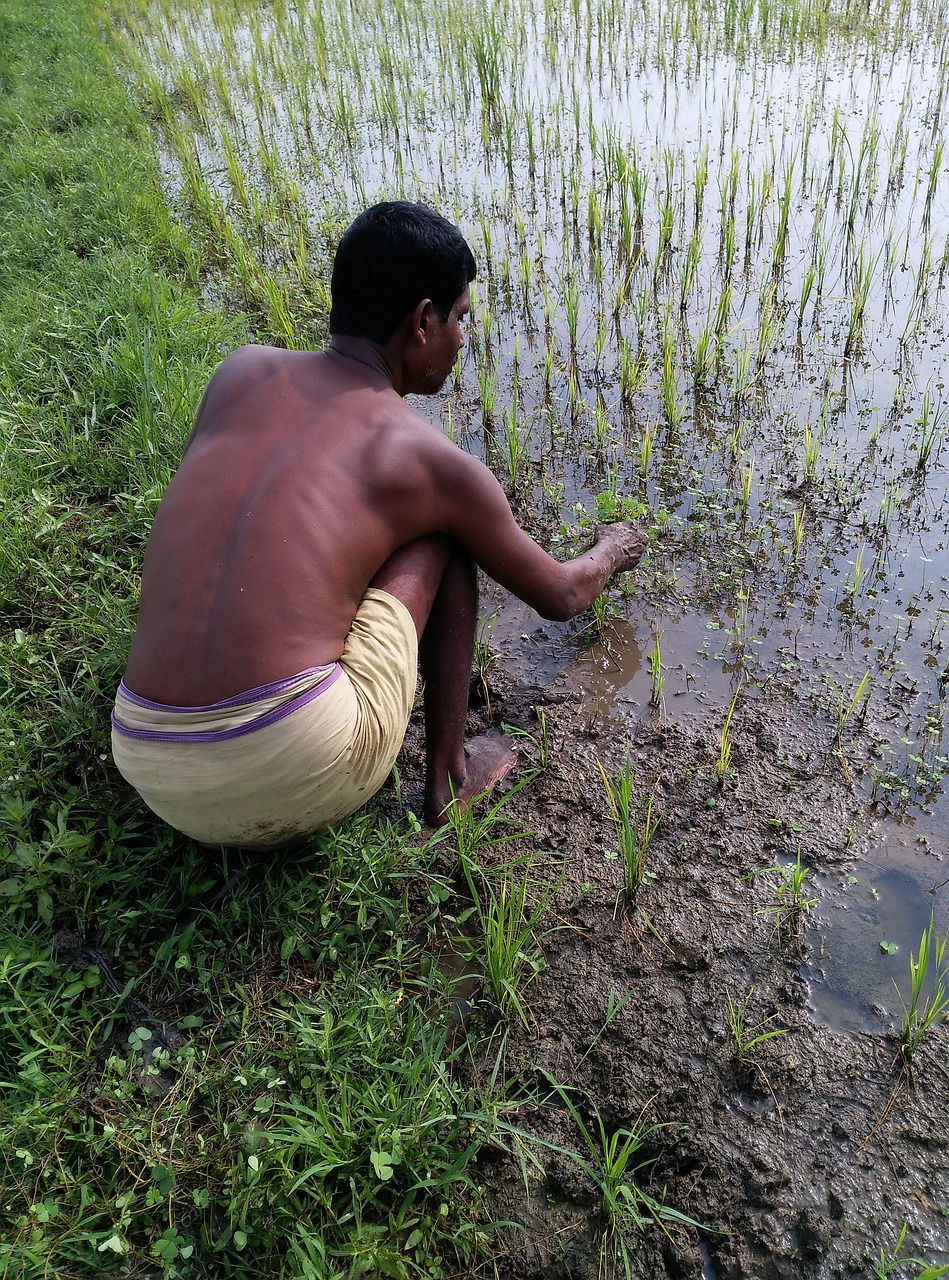
Discover the advantages of biological fertilizers for citrus in Argentina and the importance of SENASA certification to guarantee their quality.
Introduction
The use of biological fertilizers for citrus in Argentina is constantly growing, standing out for its benefits over traditional chemical fertilizers. This type of fertilizer not only promotes healthy crop growth but also aligns with organic farming practices that are gaining ground in the country. Furthermore, certification by SENASA ensures that these products meet the necessary regulations to guarantee their effectiveness and safety. For more information visit our website.
Advantages of Biological Fertilizers
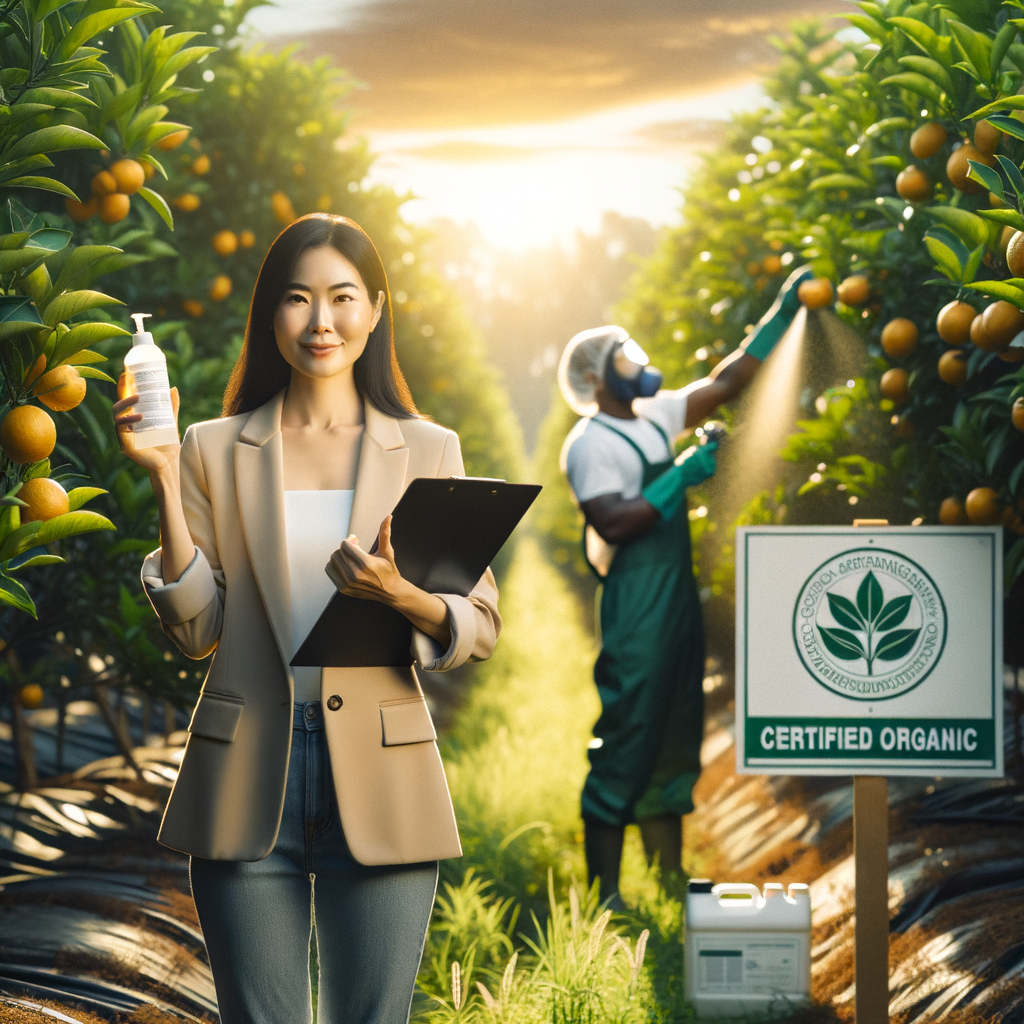
Biological fertilizers offer multiple advantages over chemical ones, such as:
- Improvement of soil health: They contribute to microbial biodiversity, which improves soil structure and fertility.
- Reduction of environmental impact: They are less polluting, helping to preserve water resources and air quality.
- Increase in fruit quality: Citrus treated with biological fertilizers often have better taste and higher nutritional values.
- Less dependence on chemical inputs: They promote a more sustainable approach to agricultural production, reducing the need for pesticides and herbicides.
- Certification and traceability: Biological products can be certified by SENASA, providing confidence and security to both producers and consumers.
Success Cases in the Use of Biological Fertilizers
Field trials have been conducted in various regions of Argentina, demonstrating that biological fertilizers can significantly increase the yield of citrus crops. These studies show that by applying biological fertilizers, there is an increase in fruit production and an improvement in disease resistance. For example, in the province of Tucumán, a study conducted by the National University of Tucumán showed that the use of a biological fertilizer based on Azospirillum increased yield by 30% compared to crops treated with conventional chemical fertilizers. In another case, a lemon producer in Salta reported a 20% increase in production after applying a biological fertilizer rich in amino acids, which also improved fruit quality.
Mechanisms of Action of Biological Fertilizers
Biological fertilizers act through various biochemical mechanisms that enhance nutrient availability and soil health. For instance, some microorganisms present in these fertilizers, such as mycorrhizae, establish symbiosis with plant roots, facilitating the absorption of phosphorus, an essential nutrient for plant growth. Research has shown that the application of mycorrhizae can increase phosphorus absorption by 50% under conditions of low availability of this nutrient in the soil. Additionally, certain microorganisms like Azotobacter can fix atmospheric nitrogen and convert it into forms usable by plants, potentially resulting in a 30% increase in nitrogen availability in the soil.
Interaction of Microorganisms and Nutrients
Biological fertilizers not only add microorganisms to the soil but also enhance the interaction between these microorganisms and nutrients. For example, the use of Rhizobium in citrus crops not only improves nitrogen fixation but also increases the availability of other nutrients such as potassium and calcium. A study published in the journal Agricultural Sciences demonstrated that the application of Rhizobium in combination with organic fertilizers increased nitrogen content in the soil by 40%, resulting in more robust plant growth. Furthermore, the inoculation of crops with Pseudomonas fluorescens has shown effectiveness in promoting root growth, which in turn improves nutrient and water absorption, increasing resistance to water stress conditions.
Studies on the Efficiency of Biological Fertilizers
Several studies have demonstrated the effectiveness of biological fertilizers in improving the yield of citrus crops. In an experiment conducted in the province of Mendoza, the yield of oranges grown with biological and chemical fertilizers was compared. The results showed that oranges treated with biological fertilizers not only had a 25% higher yield but also exhibited greater resistance to diseases such as powdery mildew and gummosis, which is crucial for the long-term sustainability of crops. In particular, it was observed that crops treated with Trichoderma had a 50% reduction in the incidence of fungal diseases, allowing producers to reduce the use of chemical fungicides by 30%.
SENASA Certification and Its Importance
The SENASA certification is a crucial aspect for farmers who wish to use biological fertilizers. This certification ensures that the products meet the quality and safety standards established by Argentine regulations. By opting for fertilizers that have this certification, farmers can be assured that:
- The products have undergone rigorous efficacy testing.
- The safety of the products for human health and the environment is guaranteed.
- National and international regulations are met, facilitating the marketing of the products.
Certification Process
The certification process by SENASA involves several stages, including the evaluation of the product’s composition, efficacy testing under controlled conditions, and environmental impact studies. Producers must submit documentation demonstrating that their biological fertilizers comply with current regulations. Once certification is obtained, it is important to maintain records and documentation that support the traceability of the product. Periodic audits are also part of the process, ensuring that quality standards are maintained over time.
Importance of Traceability
Traceability in the production of biological fertilizers is essential to guarantee the quality and safety of the final product. The ability to trace the origin of the inputs used in the manufacture of biological fertilizers allows producers to meet the quality standards required by SENASA. This not only benefits farmers but also builds trust among consumers, who seek products that are safe and sustainable. Implementing a traceability system may include the use of QR codes that allow consumers to know the history of the product, from its production to its arrival in the market.
Additional Benefits of Certification
In addition to the trust it provides to consumers, SENASA certification also allows producers to access tax incentives and financing programs that promote sustainable agriculture. In some cases, certified producers may access state subsidies that facilitate the implementation of more sustainable agricultural practices. For example, the Promotion of Organic Agriculture program offers financing to farmers who use biological fertilizers and comply with SENASA regulations. This financial support can be crucial for small producers looking to diversify and adopt more sustainable practices.
Related Articles
Need professional help?
In in Argentina, Latin America, we offer agriculture. Call us: +54 11 0000 0000.
Practical Applications and Results
The implementation of biological fertilizers in citrus crops can be carried out through different application methods, such as:
- Foliar application: Allows for rapid nutrient absorption by the leaves, ideal during critical growth stages.
- Incorporation into the soil: Improves soil structure and facilitates nutrient availability to the roots.
Field Results in the Application of Biological Fertilizers
Results obtained in recent studies indicate that citrus crops treated with biological fertilizers not only show an increase in production but also greater resistance to pests and diseases, resulting in lower management costs and increased profitability. A practical example is the use of Trichoderma harzianum in soil application, which has proven effective in preventing fungal diseases, increasing crop yield by 25% compared to conventional treatments. Additionally, in a trial in the province of Córdoba, it was observed that the application of a biofertilizer based on Azospirillum in oranges resulted in 15% more superior category fruits, thus improving the market value of the product.
Best Practices in the Application of Biological Fertilizers
To maximize the benefits of biological fertilizers, it is essential to follow certain best practices in their application. These include:
- Soil Assessment: Conduct a soil analysis beforehand to determine the specific nutritional needs of citrus crops.
- Choosing the Right Product: Select biological fertilizers that are suitable for the specific conditions of the crop and soil.
- Timing of Application: Apply at critical moments in the growth cycle, such as during flowering or before harvest, to maximize nutrient absorption.
- Continuous Monitoring: Constantly monitor plant growth and soil health to adjust applications as necessary.
Economic Impact of Biological Fertilizers
The use of biological fertilizers not only has agronomic benefits but also positively impacts the economy of producers. A study conducted in the Cuyo region revealed that farmers who adopted biological fertilizers experienced a 40% increase in their profit margins, thanks to reduced costs in chemical inputs and an increase in fruit quality, which translated into higher prices in the market. Additionally, the reduced dependence on chemical inputs contributed to a decrease in expenses for pest and disease control. In a cost-benefit analysis, it was estimated that for every peso invested in biological fertilizers, producers obtained a return of up to 3.5 pesos, demonstrating the economic viability of this practice.
Examples of Successful Crops
There are numerous examples of citrus crops that have succeeded thanks to the implementation of biological fertilizers. In the province of Entre Ríos, an orange producer applied a biological fertilizer based on bacillus subtilis and achieved a 35% increase in his harvest yield. This producer also reported a notable improvement in fruit quality, with higher sugar content and a reduction in the incidence of fungal diseases. Similarly, in Salta, a biological fertilization program was implemented in lemon trees, resulting in a more uniform harvest and a 50% increase in the production of high-quality lemons. In Corrientes, another farmer used a biological fertilizer based on Chryseobacterium, achieving a 70% reduction in the use of chemical pesticides, which not only improved the health of his crop but also attracted a broader market willing to pay premium prices for organic products.
Success Cases in the Use of Biological Fertilizers in Citrus
In addition to the mentioned examples, there are other notable cases that demonstrate the effectiveness of biological fertilizers in citrus production. In the province of Corrientes, a mandarin producer implemented a biological fertilization program using a product based on Pseudomonas fluorescens, resulting in a 60% reduction in the incidence of bacterial diseases and a 20% increase in fruit size, improving the quality of the harvest. This approach not only increased yield but also allowed the producer to access more demanding markets that value sustainable production.
Challenges and Considerations in Implementation
Despite the benefits, the adoption of biological fertilizers also presents challenges. One of the main ones is the lack of knowledge and training in the correct use of these products. It is crucial that farmers receive training on the characteristics of biological fertilizers, as well as on soil conditions and the specific needs of citrus crops. The implementation of training and technical assistance programs can be fundamental to overcoming these barriers and promoting the use of biological fertilizers in the sector. Additionally, it is important for farmers to familiarize themselves with SENASA regulations and certification requirements, as this can influence their purchasing and application decisions.
Research and Development in Biological Fertilizers
Research in the field of biological fertilizers is constantly evolving. Universities and research centers in Argentina are developing new formulas and combinations of microorganisms that promise to further improve citrus crop yields. For example, recent research from the National University of La Plata has demonstrated that the combination of Azospirillum and mycorrhizae can increase nutrient absorption efficiency by 70%, which could transform the way citrus crops are managed in the country. Additionally, new inoculation methods are being explored that allow for better colonization of roots, optimizing the use of these microorganisms in the field.
Applied Research Projects in Biological Fertilizers
In addition to academic research, several applied research projects are underway that seek to optimize the use of biological fertilizers in citrus crops. A project funded by the Ministry of Agriculture of Argentina has enabled the development of a monitoring system that assesses the impact of biological fertilizers on plant growth and health. This system uses soil sensors and drones to collect real-time data, facilitating informed decision-making by farmers. These technological advances are expected to allow for more precise and efficient management of inputs, maximizing the economic and environmental benefits of biological fertilizers.
Innovations in the Formulation of Biological Fertilizers
Innovations in the formulation of biological fertilizers are leading to the creation of more effective and specific products. For example, the incorporation of beneficial microorganisms in liquid formulations has allowed for better distribution and assimilation of nutrients by plants. A recent study showed that the use of these liquid formulations increased nutrient application efficiency by 30% compared to conventional solid fertilizers. This is especially beneficial in citrus crops, where uniform growth is crucial for harvest quality. Furthermore, research is exploring the possibility of encapsulating microorganisms in biodegradable polymers, which could prolong their effectiveness in the soil.
Future Perspectives on the Use of Biological Fertilizers
The future perspectives for the use of biological fertilizers in Argentina are promising. With the increasing demand for organic and sustainable products, more farmers are expected to adopt these practices. Additionally, regulatory pressure on the use of chemical inputs and the growing awareness of the environmental impact of conventional agriculture are driving research and development of biological solutions. Collaboration between researchers, producers, and government agencies will be key to promoting the adoption of biological fertilizers and ensuring the sustainability of the agricultural sector in the country. Likewise, the integration of digital technologies in agriculture, such as precision agriculture, is anticipated to play a fundamental role in optimizing the use of biological fertilizers and improving the productivity of citrus crops.
Benefits of Precision Agriculture in the Use of Biological Fertilizers
Precision agriculture has become an invaluable ally for citrus producers using biological fertilizers. By employing technologies such as GPS and soil moisture sensors, farmers can make more specific and efficient applications. This not only optimizes fertilizer use but also reduces waste and minimizes environmental impact. A case study in the province of San Juan showed that the implementation of a precision agriculture system allowed an orange producer to reduce his fertilizer use by 25%, while simultaneously increasing his yield by 15%. This approach, which combines technology and sustainable practices, represents the future of agriculture in the country.
Development of Customized Products for Specific Crops
The customization of biological fertilizers to meet the specific needs of each crop is on the rise. Researchers in Argentina are working on developing products that not only contain beneficial microorganisms but are also formulated with specific nutrients that optimize citrus growth. For example, biofertilizers are being created that combine Azospirillum and mycorrhizae with amino acids and essential micronutrients, increasing application efficacy by 40% compared to standard products. This trend towards customization promises to significantly improve yields and crop quality in the future.
Collaborations between Producers and Universities
Collaborations between producers and universities are facilitating the transfer of technology and knowledge in the use of biological fertilizers. Joint initiatives have led to a series of workshops and training sessions that address everything from the formulation and application of these fertilizers to integrated pest management. A notable example is the training program implemented by the National University of Córdoba, which has trained over 200 producers in the use of biological fertilizers, resulting in an average yield increase of 30% in the citrus crops of participants. This type of collaboration is essential to foster innovation and sustainable development in the agricultural sector.
Related Articles
- Home
- Biological Fertilizers for Corn: Advantages and SENASA Certification
- Regenerative Agriculture in Rice: Ecoganic Biostimulants
Frequently Asked Questions
What are biological fertilizers?
They are products derived from living organisms that improve soil fertility and plant health without harming the environment.
Why choose biological fertilizers over chemical ones?
Biological fertilizers offer benefits such as improved soil health, reduced pollution, and higher fruit quality.
How can I know if a biological fertilizer is certified by SENASA?
The certification is indicated on the product label. It is important to verify that it complies with established regulations.
Where can I purchase biological fertilizers in Argentina?
You can visit our product section to learn more about our offer of certified biological fertilizers.