
Discover what biofertilizers with potassium solubilizing microorganisms are, their function in the soil, and the proper way to apply them. Get informed!
What are biofertilizers with solubilizing microorganisms?
Biofertilizers are biological products that contain living microorganisms that promote plant growth by facilitating the availability of nutrients in the soil. In particular, potassium (K) solubilizing microorganisms are essential in agriculture, as they contribute to the solubilization of potassium present in the soil, a fundamental nutrient for plant development.
Potassium is a macronutrient that plays a crucial role in various physiological processes of plants, including the regulation of stomatal opening and closing, protein synthesis, and photosynthesis. However, it is often found in insoluble forms, which limits its availability to plants. Potassium solubilizing microorganisms, such as certain strains of Bacillus and Penicillium, are capable of transforming this insoluble potassium into forms that plants can absorb, such as the K+ ion.
In Argentina, the regulation of these products is under the supervision of SENASA, which ensures that organic fertilizers meet quality and efficacy standards. This is crucial to guarantee sustainable agricultural production in the country. Certification by SENASA not only supports the quality of the product but also provides producers with a guarantee that they are using a safe and effective input.
How do microorganisms act in the soil?
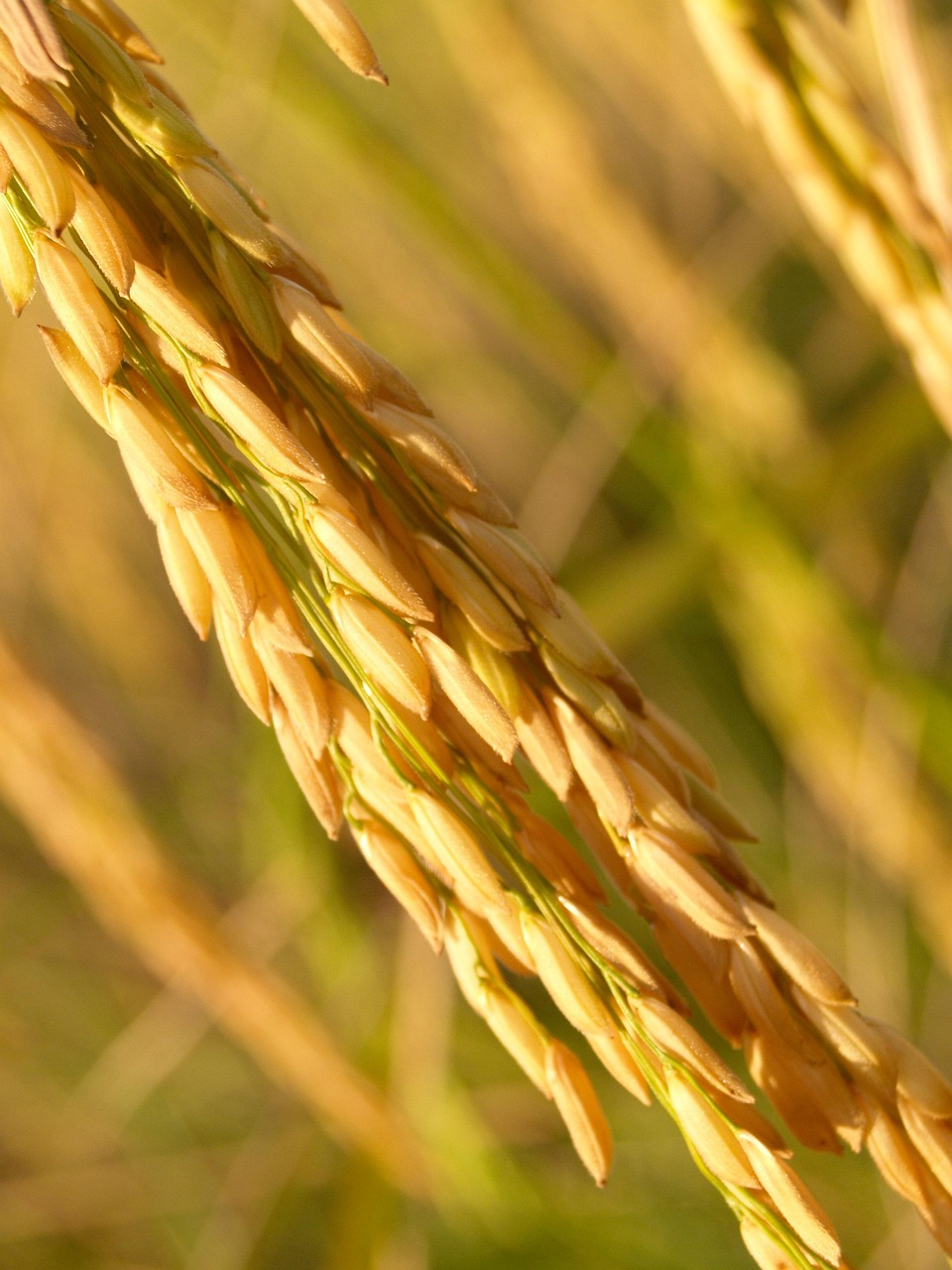
Potassium solubilizing microorganisms act through several mechanisms, including:
- Solubilization: They transform insoluble potassium into forms available for plants, facilitating its absorption. This process mainly occurs through the production of organic acids, such as citric acid and acetic acid, which dissolve minerals containing potassium.
- Interaction with roots: They enhance root activity, promoting soil exploration and the absorption of water and nutrients. This is because some microorganisms form symbiotic associations with roots, increasing the contact surface between the plant and the soil.
- Production of metabolites: They generate compounds that aid in nutrient mobilization, improving soil health. Among these metabolites are enzymes that degrade organic matter and compounds that stimulate the growth of other beneficial microorganisms.
These processes not only increase the availability of potassium but also improve soil structure and foster a healthy microbiota, which is fundamental for organic agriculture. The interaction between these microorganisms and other soil components, such as clays and organic matter, contributes to the formation of aggregates, enhancing soil aeration and moisture retention.
Mechanisms of potassium solubilization
Potassium solubilizing microorganisms use different mechanisms to transform insoluble potassium into assimilable forms. Some of the most studied mechanisms include:
- Production of organic acids: As mentioned earlier, organic acids are crucial for potassium solubilization. These acids, when excreted by microorganisms, can dissolve minerals such as feldspar and mica, releasing potassium in the form of K+ ion.
- Interaction with minerals: Some microorganisms have the ability to adhere to mineral particles, facilitating the release of potassium. This process is enhanced by the activity of certain proteins that microorganisms secrete, which can modify the surface of minerals.
- Production of exopolysaccharides: These compounds not only improve potassium solubilization but also help in the formation of aggregates in the soil, enhancing structure and water retention.
Studies have shown that the use of biofertilizers with solubilizing microorganisms can increase the availability of potassium in the soil by 20-30%, leading to better growth and yield of crops.
Benefits of using biofertilizers
Biofertilizers with potassium solubilizing microorganisms offer multiple benefits:
- Increased production: Improvement in crop yield by optimizing nutrient availability. Research has shown increases in corn and soybean crop yields of up to 25% when using these biofertilizers.
- Cost reduction: Decrease in the need for chemical fertilizers, resulting in significant savings for the producer. For example, the application cost of biofertilizers is, on average, 40% lower than that of conventional chemical fertilizers.
- Improvement of soil health: They promote microbial biodiversity, which is essential for fertile and productive soil. The application of biofertilizers can increase microbial diversity in the soil by 50%, contributing to the resilience of the agricultural ecosystem.
- Sustainability: They encourage more sustainable and environmentally friendly agricultural practices. By reducing dependence on chemical inputs, farmers can decrease their carbon footprint and improve water quality in their cultivation areas.
Additionally, the use of biofertilizers can help mitigate the effect of salinity in soils, a growing problem in many agricultural regions. Some studies indicate that the application of potassium solubilizing microorganisms can reduce saline stress in plants, improving their growth capacity under adverse conditions.
Examples of field application
The use of biofertilizers with potassium solubilizing microorganisms has been successfully implemented in various crops in Argentina and other parts of the world. Below are some practical examples:
- Soybean crop: In several Argentine provinces, farmers have reported significant increases in soybean yield when using biofertilizers. In a study conducted in the province of Córdoba, a 20% increase in soybean yield was observed compared to plots treated only with chemical fertilizers.
- Corn crop: In northern Argentina, fertilization programs that combine biofertilizers with potassium solubilizing microorganisms and chemical fertilizers have been implemented. The results showed a 30% increase in yield, along with an improvement in grain quality.
- Horticultural crops: The application of biofertilizers in crops such as tomato and pepper has been shown to increase production and improve disease resistance. In a greenhouse trial, a 15% increase in tomato production was reported when using biofertilizers instead of conventional chemical fertilizers.
- Rice crop: In the Paraná Delta region, it has been observed that the application of biofertilizers can increase rice yield by up to 25%. Farmers have implemented applications at the time of sowing, achieving a more robust root development and better utilization of soil moisture.
How to properly apply biofertilizers?
The correct application of biofertilizers is crucial to maximize their benefits. Below are some recommendations:
- Choosing the right time: Apply biofertilizers at the beginning of the growing season or during times of high nutritional demand for the plants. For example, application at the time of sowing or just before flowering can result in better nutrient utilization.
- Recommended doses: Follow the manufacturer’s instructions or consult with an agronomist. Generally, doses can vary between 5 to 10 liters per hectare, depending on the type of crop and soil conditions. It is essential to conduct a soil analysis to determine the specific needs of the crops.
- Method of application: They can be applied through irrigation, fertigation, or directly to the soil. Ensure that the product is well mixed and distributed. Fertigation is particularly effective as it allows for uniform distribution of microorganisms in the root system.
- Monitoring and adjustment: Monitor the condition of the crops to adjust the application as necessary. Observe indicators such as plant growth, soil health, and the presence of pests or diseases to adapt the management of biofertilizers.
For more information about our products and how they can help you in your crops, visit our products section or contact us for personalized advice.
Considerations for managing biofertilizers
Proper management of biofertilizers is essential to maximize their effectiveness. Some aspects to consider include:
- Storage: Biofertilizers should be stored under optimal conditions to maintain the viability of microorganisms. This includes maintaining an appropriate temperature, avoiding direct exposure to sunlight, and keeping the products in a dry environment. Exposure to temperatures above 30°C can significantly reduce microbial populations.
- Compatibility: Some biofertilizers may be incompatible with certain agrochemicals. It is essential to conduct compatibility tests before mixing products. For example, it has been shown that mixing biofertilizers with fungicides can negatively affect the activity of microorganisms, reducing their effectiveness.
- Crop rotation: Crop rotation can influence the effectiveness of biofertilizers. It is advisable to alternate between crops that have different nutritional requirements and life cycles, allowing for better utilization of available nutrients in the soil.
- Evaluation of results: It is important to track the results obtained after the application of biofertilizers. This can include soil analyses before and after application, as well as evaluating crop yield and the overall health of the plants.
Recent research on biofertilizers
Research in the field of biofertilizers is constantly evolving, and numerous studies have been conducted that support the effectiveness of potassium solubilizing microorganisms. Some of the most relevant findings include:
- Field studies: Research in various regions of Argentina has demonstrated that the application of biofertilizers can increase potassium availability in the soil by up to 35%, resulting in a significant increase in the yield of crops such as wheat and barley.
- Impact on soil quality: A study conducted in the province of Santa Fe showed that the use of biofertilizers with potassium solubilizing microorganisms resulted in a 25% improvement in soil structure, favoring the formation of aggregates and increasing moisture retention.
- Interaction with other nutrients: Research has shown that potassium solubilizing microorganisms can also influence the availability of other essential nutrients, such as calcium and magnesium, thereby improving the nutritional balance of the soil.
- Resilience to climate change: Recent studies suggest that biofertilizers can help plants better adapt to adverse climatic conditions, such as droughts or floods, by improving soil health and water retention capacity.
Future perspectives on the use of biofertilizers
As agriculture faces challenges such as climate change and the need for more sustainable practices, the use of biofertilizers emerges as a promising strategy. The following trends and developments are relevant:
- Development of new strains: Biotechnology is enabling the identification and development of new strains of potassium solubilizing microorganisms that can be more efficient in their action and adapt to different soil and climate conditions.
- Integration into agroecological systems: The integration of biofertilizers into agroecological systems is being promoted, where different sustainable agricultural practices are combined to maximize production and ecosystem health.
- Education and training: Training farmers on the proper use of biofertilizers and the importance of soil microbiology will be crucial for the success of these practices in the future.
- Ongoing research: The need for more studies evaluating the long-term impact of biofertilizers on soil health and agricultural production is essential to develop evidence-based recommendations that benefit farmers.
- Certification and standardization: As the demand for biofertilizers grows, so does the need to establish quality standards and certification to ensure the effectiveness and safety of products offered in the market.
Related Articles
Need professional help?
At in Argentina, Latin America, we offer agriculture. Call us: +54 11 0000 0000.
Challenges in the implementation of biofertilizers
Despite the numerous benefits of biofertilizers, there are several challenges that farmers must consider when implementing them in their agricultural practices. These challenges include:
- Limited knowledge: Many farmers still lack information about the benefits and proper use of biofertilizers. The lack of training and education on this topic can lead to underutilization of these products.
- Variability in effectiveness: The effectiveness of biofertilizers can vary depending on soil conditions, climate, and crop type. It is essential to conduct field tests to determine effectiveness in specific situations.
- Initial costs: Although biofertilizers can be more economical in the long run, the initial costs for their acquisition can be a barrier for some farmers, especially in small holdings.
- Regulation and quality standards: The lack of uniform regulations regarding the production and marketing of biofertilizers can create uncertainty about the quality and effectiveness of products available in the market.
Solutions to overcome challenges
To address these challenges and promote the use of biofertilizers, several solutions can be implemented:
- Training programs: Develop education and training programs for farmers that address the use of biofertilizers, their benefits, and best practices.
- Research and development: Encourage research into the development of more efficient biofertilizers adapted to local conditions, as well as the creation of specific application protocols for different crops.
- Economic incentives: Implement policies that offer economic incentives to farmers for adopting biofertilizers, such as subsidies or tax credits.
- Establishment of standards: Work on creating regulations and quality standards to ensure that biofertilizers available in the market are effective and safe.
- Promotion of collaboration: Encourage collaboration between researchers, universities, and farmers to share information and experiences regarding the use of biofertilizers.
Success stories in the adoption of biofertilizers
There are numerous success stories in the implementation of biofertilizers that demonstrate their effectiveness and potential in agriculture. Some examples include:
- Agricultural cooperatives: Several groups of farmers in the Entre Ríos region have formed cooperatives for the joint use of biofertilizers, resulting in a 30% increase in rice crop yields, as well as improving soil quality.
- Research projects: Universities and research centers in Argentina have implemented research projects demonstrating the efficacy of biofertilizers in fruit and vegetable crops, achieving production increases of up to 40% in some cases.
- Government interventions: Government programs promoting the use of biofertilizers have led to an increase in the adoption of these practices, resulting in an overall improvement in agricultural productivity in several provinces.
- Farmer testimonials: Farmers in the Mendoza region have shared their positive experiences, stating that the use of biofertilizers has not only increased their yields in grape crops but has also improved the quality of the wine produced, thanks to a better nutritional profile of the soil.
Research and development in biofertilizers
Research in the field of biofertilizers has advanced significantly in recent years, focusing on the development of new formulations and applications. Recent studies have explored the generation of biofertilizers from agricultural waste, which not only contributes to the circular economy but also reduces costs for farmers. For example, the use of sugarcane waste as a medium for cultivating solubilizing microorganisms has shown promising results in potassium solubilization.
Additionally, research into the genetics of microorganisms is allowing for the identification of more effective and resilient strains that can be adapted to different cultivation conditions and soil types. Some studies have demonstrated that inoculation with specific strains of Azospirillum and Bacillus can result in a significant improvement not only in potassium solubilization but also in the availability of other nutrients, such as nitrogen and phosphorus.
Socioeconomic impact of biofertilizers
The use of biofertilizers not only has agronomic implications but can also have a positive impact on the local economy. By reducing dependence on chemical inputs, farmers can lower their production costs, which in turn can result in more competitive products in the market. This is especially relevant in regions where farmers face significant economic challenges.
Moreover, the adoption of sustainable agricultural practices, such as the use of biofertilizers, can contribute to improving food security. By increasing crop yields and improving soil health, a more stable food supply can be ensured, which is crucial in the context of a growing global population and climate change.
Market perspectives for biofertilizers
The biofertilizer market is constantly growing, driven by the demand for more sustainable agricultural practices. The biofertilizer industry is expected to grow at a compound annual growth rate of 11% over the next decade. This growth is driven by the increasing awareness of the harmful effects of chemical fertilizers and the need to reduce the carbon footprint in agriculture.
Biofertilizers are also being increasingly adopted in precision agriculture, where the aim is to optimize the application of inputs through advanced technologies. The combination of biofertilizers with crop monitoring tools and soil analysis can maximize the efficiency and effectiveness of agricultural practices, contributing to a more sustainable and productive future.
Frequently Asked Questions
What are biofertilizers with solubilizing microorganisms?
They are biological products that contain living microorganisms that help solubilize potassium in the soil, facilitating its absorption by plants.
How do microorganisms act in the soil?
They act by transforming insoluble potassium into forms available for plants and improving soil health.
What are the benefits of using biofertilizers?
They increase production, reduce costs, improve soil health, and promote sustainable agricultural practices.
How are biofertilizers properly applied?
They should be applied at the right time, following the recommended doses, and can be used through irrigation or directly in the soil.