
Learn about the bio-stimulant regulation in Europe and how it will affect farmers in 2026. Get informed and request your free quote.
Impact of the Regulation
The bio-stimulant regulation in Europe establishes a new legal framework that affects farmers by introducing stricter rules on the marketing and use of these products. Starting in 2026, farmers will need to adapt to higher standards of efficiency and safety, ensuring that bio-stimulants meet rigorous scientific criteria. This may involve changes in product selection, as well as in application methods and dosing, potentially optimizing agricultural productivity and environmental sustainability.
Potential Benefits of the New Regulation
The implementation of these regulations aims not only to protect consumers and the environment but also offers potential benefits for farmers. With improvements in the quality of bio-stimulants, an increase in nutrient use efficiency is expected. Studies have shown that the application of bio-stimulants can increase nutrient absorption by 20-30%, leading to more efficient use of fertilizers and, consequently, a reduction in costs for farmers.
Additionally, the use of bio-stimulants can contribute to reducing dependence on chemical inputs, which not only benefits farmers’ economies but also has a positive impact on ecosystem health. For example, a study conducted in the La Pampa region showed that the use of seaweed-based bio-stimulants reduced the need for nitrogen fertilizers by 25%, while maintaining crop yields.
Improvements in Soil Quality
The use of bio-stimulants has also been shown to have significant positive effects on soil quality. For example, bio-stimulants can increase the biological activity of the soil, which is crucial for nutrient recycling and the overall health of the ecosystem. It has been found that microorganism-based bio-stimulants can increase the population of beneficial bacteria in the soil by 50%, promoting the decomposition of organic matter and nutrient availability.
A study on wheat crops in the province of Buenos Aires demonstrated that the application of a microbial bio-stimulant increased the nitrogen concentration in the soil by 15% compared to untreated plots. This not only improves soil fertility but also reduces the need for nitrogen fertilizers, contributing to more sustainable agricultural practices.
Challenges for Adaptation
Despite the benefits, the transition to these new standards presents significant challenges. Farmers will need to invest in training and updating their agricultural practices. This includes training in new application technologies and interpreting bio-stimulant efficacy data. For example, it is estimated that up to 40% of farmers may need technical assistance to adapt to these regulations.
Moreover, the lack of information and resistance to change are factors that may hinder the adoption of these new practices. It is essential that agricultural and governmental organizations work together to provide resources and support to farmers, thus facilitating a smoother transition to compliance with the new regulations.
Need for Training and Resources
Training becomes an essential pillar for the success of this transition. Training programs are expected to be implemented that cover everything from basic knowledge of bio-stimulants to the use of advanced technologies for their application. A study conducted by the FAO indicates that proper training can increase the adoption of agricultural technologies by 30%, highlighting the importance of these programs in implementing the new regulations.
Furthermore, the creation of digital platforms where farmers can access data on the efficacy of different bio-stimulants, as well as share experiences and field results, can facilitate the dissemination of valuable information. For example, a mobile application that allows farmers to record their practices and results could help build a database that benefits the entire agricultural community.
Changes in Regulations
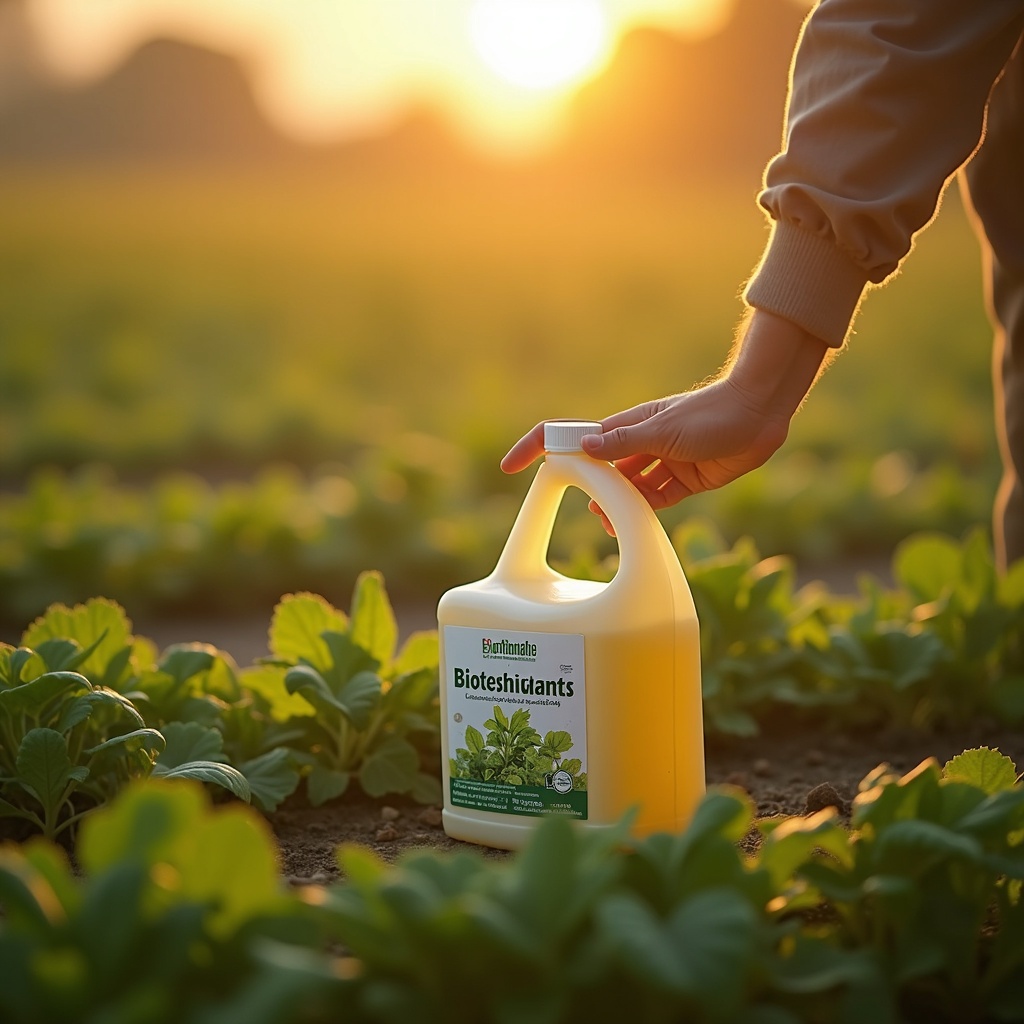
The new regulations aim to harmonize the marketing criteria for bio-stimulants in the European Union, which includes the evaluation of their efficacy, safety, and sustainability. Here are some of the most significant changes:
Evaluation of Efficacy and Safety
One of the main modifications is the implementation of standardized protocols for evaluating the efficacy and safety of bio-stimulants. This includes controlled field trials that allow measuring the impact of products on crop performance under different climatic and soil conditions. The regulations require that bio-stimulants demonstrate at least a 10% improvement in crop yields compared to an untreated control group.
Additionally, specific criteria will be established for evaluating the safety of bio-stimulants, which will include toxicity and ecotoxicity studies. This means that products must be evaluated not only in terms of their agronomic efficacy but also in their environmental impact and human health.
Testing and Certification Protocols
The new testing protocols will require that bio-stimulants undergo trials at various growth stages of crops, ensuring that the results are representative of their actual performance in the field. These trials are expected to include variables such as soil variability, climatic conditions, and interaction with other agricultural inputs.
An example of these protocols is the field trial that evaluates not only yield but also the quality of the product obtained, such as the size and resistance of the fruits, which is crucial for marketing. This could lead to an increase in the quality of agricultural products, benefiting both farmers and consumers.
Classification of Bio-stimulants
The new regulation also establishes a clearer classification of bio-stimulants, dividing them into categories based on their origin and mechanism of action. For example, they will be differentiated between plant-based, microbial, and mineral bio-stimulants, each with specific evaluation requirements. This classification will allow farmers to choose products that are more suitable for their specific needs, facilitating informed decision-making.
For instance, microbial bio-stimulants, which include various types of bacteria and fungi, have been shown to be effective in improving soil health and promoting plant growth by increasing nutrient availability. In a study conducted on tomato crops, the use of a microbial bio-stimulant resulted in a 40% increase in fruit production compared to the control, demonstrating the importance of choosing the right type of bio-stimulant to maximize benefits.
| Type of Bio-stimulant | Zone | Price |
|---|---|---|
| Amino Acids | Buenos Aires | — |
| Seaweed Extracts | Córdoba | — |
| Microorganisms | Santa Fe | — |
| Humic Acids | Entre Ríos | — |
Labeling and Transparency Regulations
Another important aspect of the new regulations is the clear and precise labeling of bio-stimulants. Labels must include detailed information about the product’s composition, mode of action, and specific conditions for use. This level of transparency will allow farmers to make more informed decisions and use the products more effectively.
For example, a label indicating the concentration of active ingredients and recommended doses will facilitate correct application and maximize benefits. Additionally, a tracking system will be established to ensure that companies comply with labeling regulations, which will increase consumer confidence in these products.
Impact on Bio-stimulants
With the implementation of new regulations, it is likely that the costs of bio-stimulants will experience changes. Production costs are estimated to increase by 5% to 15% due to more rigorous testing requirements and regulatory compliance. However, long-term benefits, such as increased productivity and reduced chemical inputs, may offset these cost increases.
For example, a cost-benefit analysis conducted by the University of Buenos Aires revealed that although the initial cost of bio-stimulants may be higher, the reduction in the use of chemical fertilizers and the increase in yields can result in significant net savings for farmers. In this study, farmers who adopted bio-stimulants saw a 30% reduction in their input costs over a growing season.
Market Projections
According to a market report from the consulting firm MarketsandMarkets, the bio-stimulant market is expected to grow at a compound annual growth rate of 12% between 2021 and 2026, reaching a value of $3.2 billion by 2026. This growth is driven by the increasing demand for sustainable agricultural practices and the need to enhance productivity in the context of climate change.
Bio-stimulants, being products that improve soil health and crop efficiency, are well-positioned to benefit from this trend. As more farmers adopt these practices, investment in research and development of bio-stimulants is also expected to increase, which could lead to the introduction of more effective and accessible products.
Our Experience
At Ecoganic, we have been working on research and development projects for bio-stimulants in various regions of Argentina since 2018. We have collaborated with farmers in Buenos Aires and Córdoba, implementing solutions that have proven to increase the productivity of crops such as corn and soybeans. Thanks to the application of bio-stimulation technologies, our products have improved not only crop yields but also soil health and agricultural sustainability.
Field Results
In one of our projects in Buenos Aires, a seaweed-based bio-stimulant was applied to a soybean field. The results showed a 25% increase in yield compared to untreated plots. Additionally, there was an improvement in soil quality, with a 30% increase in microbial activity, suggesting a positive effect on health.
Related Articles
- Home
- Bio-stimulants with Blue-green Algae: Agronomic Benefits
- Bio-stimulant with Seaweed Extracts in Argentina
References
Frequently Asked Questions
What is the bio-stimulant regulation in Europe?
It is a set of rules that establishes criteria for the marketing and use of bio-stimulants.
What are the main changes in the regulations?
Stricter criteria regarding the efficacy and safety of bio-stimulants are introduced.
How does this affect Argentine farmers?
Farmers will need to adapt to new regulations, which may involve changes in the products they use.
What types of bio-stimulants are regulated?
Amino acids, seaweed extracts, and microorganisms, among others, are regulated.
What are the average prices of bio-stimulants in Argentina?
Prices range from 3,000 to 4,200 ARS, depending on the type and zone.
Where can I get more information about the regulation?
Consult the SENASA or INTA website for official information.
What benefits do bio-stimulants offer?
They improve soil health and increase stress resistance.
How can I request a quote for bio-stimulants?
Request a free quote through our website.