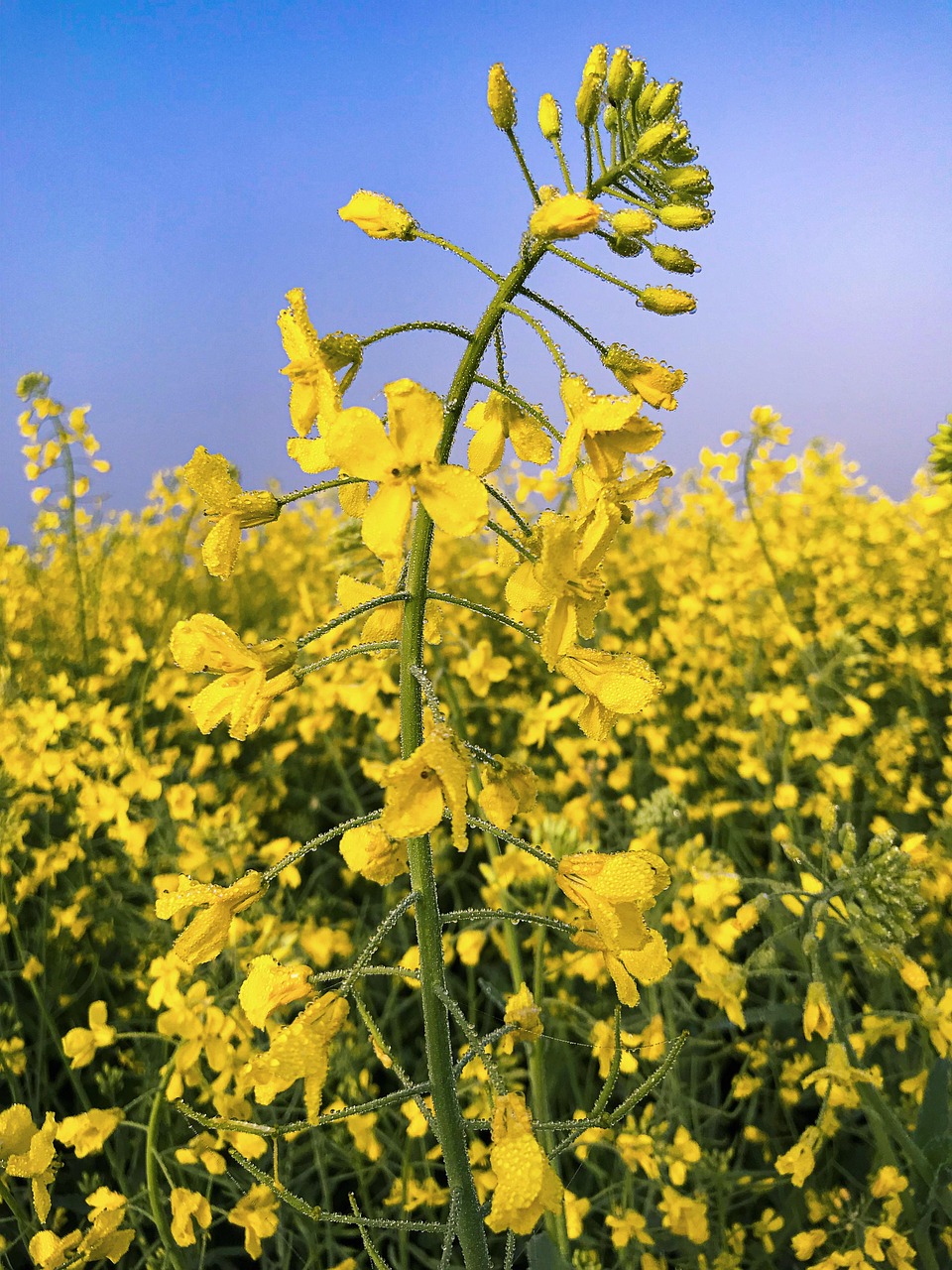
Discover the multi-nutrient biofertilizer with beneficial bacteria, how it works in the soil, and how to apply it effectively to improve your crops.
What is a multi-nutrient biofertilizer
A multi-nutrient biofertilizer is a biological product that contains beneficial microorganisms, such as bacteria and fungi, that improve nutrient availability in the soil. These biofertilizers are designed to provide a variety of essential nutrients, including nitrogen, phosphorus, and potassium, making them especially useful in sustainable agriculture. For more information visit our website.
Composition and Types of Biofertilizers
Multi-nutrient biofertilizers can be classified into different types based on their composition. The most common include:
- Nitrogen-fixing bacteria: These bacteria, such as Rhizobium and Azoarcus, have the ability to convert atmospheric nitrogen into forms that plants can absorb, such as ammonia. It is estimated that these bacteria can fix between 40 and 200 kg of nitrogen per hectare per year.
- Mycorrhizae: These fungi form symbiotic associations with plant roots, increasing the absorption of phosphorus and other nutrients, as well as resistance to diseases and droughts. Studies have shown that mycorrhizae can increase phosphorus absorption by 50-90%.
- Phosphorus-solubilizing bacteria: Microorganisms such as Bacillus and Penicillium help release phosphorus from forms that are not available in the soil, increasing its availability for plants.
Other Important Components
In addition to the mentioned microorganisms, multi-nutrient biofertilizers may contain other components that contribute to their effectiveness:
- Root exudates: Some biofertilizers include exudates that stimulate the growth of beneficial microorganisms in the soil.
- Organic matter: The presence of organic matter in biofertilizers can improve moisture retention in the soil and provide a suitable environment for microbial growth.
- Enzymes: Enzymes such as phosphatases and cellulases may be included to facilitate the decomposition of organic matter and the release of nutrients.
How it works in the soil

Multi-nutrient biofertilizers act in several ways in the soil. First, the microorganisms present in these products help decompose organic matter, releasing nutrients that can be absorbed by plants. Additionally, some of these microorganisms have the ability to fix atmospheric nitrogen, converting it into a form that plants can use.
Biochemical Mechanisms in the Soil
The action process of biofertilizers is based on several biochemical mechanisms:
- Mineralization: The decomposition of organic matter by microorganisms releases essential mineral nutrients. This process can increase nitrogen availability by 20-30% in soils lacking organic matter.
- Competition: Beneficial microorganisms can compete with pathogens for space and resources, thereby reducing the incidence of diseases in plants. Studies have shown that the introduction of beneficial bacteria can reduce pathogen populations by 50%.
- Production of growth hormones: Some microorganisms produce phytohormones such as auxins and cytokinins, which stimulate root growth and improve nutrient absorption.
- Nutrient chelation: Some microorganisms have the ability to form complexes with nutrients, facilitating their absorption by plant roots. This process is especially important for nutrients like iron, which can be poorly available in soils with high pH.
Additionally, biofertilizers improve soil structure, increasing its capacity to retain water and nutrients. This is particularly important in regions of Argentina where water availability may be limited. The application of biofertilizers can also increase the biological activity of the soil, promoting a healthier and more balanced ecosystem that favors plant growth.
Examples of Field Application
In agricultural practice, multi-nutrient biofertilizers have been used in various crops in Argentina. For example:
- Soybean: In trials conducted in the province of Córdoba, the application of a biofertilizer that combined Rhizobium and mycorrhizae resulted in a 15% increase in soybean yield compared to a control group without treatment. Additionally, an improvement in grain quality was observed, with an increase in protein content.
- Corn: In the northern region of Santa Fe, the use of a biofertilizer that included phosphorus-solubilizing bacteria showed a 20% increase in corn yield by improving phosphorus availability in soils with high fixation of this nutrient. Soil analysis before and after treatment showed a significant increase in available phosphorus levels.
- Wheat: In the province of Buenos Aires, the application of a biofertilizer containing a mixture of nitrogen-fixing bacteria and mycorrhizae resulted in a 25% increase in wheat yield, as well as improved resistance to fungal diseases, reducing the need for chemical treatments.
Correct application of the biofertilizer
To achieve the best results with a multi-nutrient biofertilizer, it is essential to follow the application recommendations. Here are some key steps:
- 1. Soil analysis: Before applying a biofertilizer, conduct a soil analysis to determine which nutrients are needed and in what quantities. This will allow you to choose the most suitable biofertilizer and avoid over-application. A complete soil analysis should include the evaluation of pH, organic matter content, levels of available nutrients, and microbial activity.
- 2. Product preparation: Follow the instructions to prepare the biofertilizer. This may include diluting it in water or mixing it with other inputs. Proper dilution is crucial, as a concentration that is too high can harm the microorganisms. For example, if the biofertilizer is diluted in water, it is advisable to use chlorine-free water, as chlorine can be harmful to microorganisms.
- 3. Timing of application: Apply the biofertilizer at the right time, preferably during the active growth stages of the plants. Most biofertilizers are more effective when applied during planting or in the vegetative growth stage. In corn crops, for example, applying during the root development phase can maximize nutrient absorption.
- 4. Method of application: It can be applied through irrigation, fertigation, or directly to the soil, depending on the product recommendations. Fertigation is especially effective, as it allows for uniform distribution and direct contact with the roots. It is also advisable to avoid application under extreme drought conditions or very high temperatures, as this can affect the viability of the microorganisms.
- 5. Post-application monitoring: It is important to monitor plant growth and soil health after applying the biofertilizer. Observations on growth, disease occurrence, and soil quality can provide valuable information about the effectiveness of the treatment and guide future applications.
Related Articles
Need professional help?
At in Argentina, Latin America, we offer agriculture. Call us: +54 11 0000 0000.
Benefits for agriculture in Argentina
The use of multi-nutrient biofertilizers provides numerous benefits for agriculture in Argentina:
- Reduction of chemical inputs: By using biofertilizers, you can decrease reliance on chemical fertilizers, which not only reduces costs but also minimizes environmental impact. It is estimated that the use of biofertilizers can reduce the need for chemical fertilizers by 30-50%.
- Improvement of soil health: The application of biofertilizers promotes a more diverse and active soil microbiota, improving the overall health of the soil and its capacity to support crops. Healthier soil can store more carbon, contributing to climate change mitigation. Additionally, it has been observed that microbial diversity can increase the soil’s resistance to erosion.
- Increase in crop yields: By improving nutrient availability and soil health, biofertilizers can contribute to an increase in crop yields. In field studies, increases of up to 30% in yields of crops such as wheat and barley have been reported when using biofertilizers. This is especially relevant for small farmers looking to maximize production in limited areas.
- Disease resistance: Biofertilizers can help plants develop resistance to diseases, reducing the need for pesticides. For example, in tomato crops treated with biofertilizers, a 40% decrease in the incidence of fungal diseases was observed. This not only reduces costs for the farmer but also decreases the burden of chemical residues in the environment.
Economic and Environmental Considerations
From an economic perspective, the use of biofertilizers can be more cost-effective in the long run. Although the initial cost may be comparable to that of chemical fertilizers, the reduction in the use of the latter and the increase in crop yields can translate into higher profit margins. Additionally, biofertilizers contribute to the sustainability of agriculture, promoting practices that protect the environment and natural resources, which is crucial in the current context of climate change and soil degradation. For example, implementing regenerative agriculture practices, which include the use of biofertilizers, can improve soil health and increase long-term productivity.
Research and Advances in Biofertilizers
Research in the field of biofertilizers is constantly evolving. New studies are exploring the combination of different microorganisms to maximize the efficiency of biofertilizers. For example, recent research has shown that combining nitrogen-fixing bacteria and mycorrhizae can significantly increase nutrient availability and improve plant growth in poor soils. In greenhouse trials, it has been observed that these combinations can increase plant biomass by 50% compared to untreated controls.
Furthermore, specific biofertilizers are being developed for different types of crops and soil conditions, allowing for more efficient and targeted application. In Argentina, universities and research centers are collaborating with farmers to evaluate the effectiveness of these products under various agro-climatic conditions. For example, trials have been conducted in arid regions of western Argentina, where the combination of biofertilizers and water conservation practices has shown promising results in terms of yield and sustainability. Research is also focusing on producing biofertilizers from agricultural waste, which not only provides a valuable input for crops but also contributes to waste reduction in the agricultural environment.
Development of Biofertilizers from Agricultural Waste
The use of agricultural waste for the production of biofertilizers is a growing trend that offers multiple benefits. For example, applying compost made from organic crop waste can enrich the soil with organic matter and beneficial microorganisms. Studies have shown that proper composting can increase soil microbial activity by 60%, which in turn improves nutrient availability and soil structure.
A case study in the province of Mendoza demonstrated that using pruning waste from vineyards to produce biofertilizers not only improved soil fertility but also reduced the need for chemical fertilizers by 40%. This approach is not only sustainable but can also be economically viable for farmers, who can reduce costs and improve crop productivity.
Future Perspectives on the Use of Biofertilizers
With the growing concern for sustainability and climate change, the future of biofertilizers looks promising. The demand for sustainable agricultural practices is expected to continue to rise, driving research and development of new biofertilizer products. The integration of advanced technologies, such as biotechnology and genomics, could enable the creation of more efficient microbial strains adapted to specific crop and soil conditions.
Moreover, awareness of soil health and regenerative agriculture is gaining ground among farmers, which could increase the adoption of biofertilizers throughout Argentina. Education and training in the proper use of these products will be crucial to maximize their benefits and ensure more resilient and productive agriculture in the future.
Impact on Soil Biodiversity
The use of multi-nutrient biofertilizers not only benefits plants but also has a significant impact on soil biodiversity. The introduction of beneficial microorganisms can promote the development of more diverse microbial communities, resulting in a more balanced and resilient soil. Studies have shown that the use of biofertilizers can increase microbial diversity by 30-50%, which in turn improves the soil’s ability to resist diseases and adapt to adverse climatic conditions.
Additionally, greater microbial diversity can contribute to a more efficient nutrient cycle and better decomposition of organic matter. This is crucial in agricultural systems where soil health is fundamental to the long-term success of crops. In trials conducted in agricultural soils in Buenos Aires, it was observed that the application of biofertilizers increased the diversity of microbial species, resulting in greater stability of the soil ecosystem.
Challenges in Implementing Biofertilizers
Despite the numerous benefits, the implementation of biofertilizers in agriculture faces certain challenges. One of the main obstacles is the lack of knowledge and training among farmers regarding the use and effectiveness of these products. It is essential to conduct educational campaigns to inform farmers about the advantages and proper management of biofertilizers.
Another challenge is the variability in the quality of biofertilizers available on the market. Not all products have the same concentration of beneficial microorganisms or are formulated adequately to be effective in different soil and climate conditions. Therefore, it is essential for farmers to select high-quality and reliable products, preferably those that have been validated through field studies and scientific trials.
Regulation and Standards
The regulation of biofertilizers is another important aspect that must be considered. In Argentina, legislation regarding biofertilizers is still in its infancy, which can create uncertainty for both producers and consumers. Establishing clear regulations governing the production, marketing, and use of biofertilizers is essential to ensure their quality and effectiveness. This would also help foster trust among farmers in the use of these products.
In the global context, the regulation of biofertilizers varies significantly between countries. Some countries have implemented strict regulatory frameworks that ensure the quality and safety of these products, while others lack clear guidelines. Harmonizing regulations at the international level could facilitate trade and the adoption of biofertilizers in different regions.
Technological Innovations in Biofertilizers
The advancement of biotechnology has enabled the development of more sophisticated and specific biofertilizers. Genetic engineering and cell culture techniques are being explored to create microbial strains that are not only more effective in nitrogen fixation or phosphorus solubilization but also capable of withstanding adverse conditions, such as droughts or saline soils. For example, strains of Azospirillum have been developed that show greater tolerance to salinity, allowing their use in arid regions where soils are less productive.
Furthermore, research on the nanoencapsulation of microorganisms is on the rise. This technique protects microorganisms from adverse environmental conditions and improves their viability during storage and application. Preliminary studies have shown that nanoencapsulated biofertilizers can increase the survival rate of microorganisms by 70% compared to conventional formulations.
Education and Training in the Use of Biofertilizers
Education and training of farmers are key elements for the successful implementation of biofertilizers. Training programs that include practical workshops on the correct application, dosing, and monitoring of biofertilizers can help farmers maximize their benefits. For example, in several agricultural extension projects in Argentina, training sessions have resulted in a 40% increase in the adoption of biofertilizers among participating farmers.
Additionally, the creation of digital platforms that provide information on best practices, success stories, and usage guides can facilitate access to the necessary information for the effective use of these products. Collaboration between academic institutions, governments, and non-governmental organizations can strengthen these efforts and facilitate greater dissemination of knowledge about biofertilizers.
Related Articles
- Home
- Biological Fertilizers for Corn: Advantages and SENASA Certification
- Regenerative Agriculture in Rice: Advanced Agricultural Solutions
Frequently Asked Questions
What is the difference between a biofertilizer and a conventional fertilizer?
Biofertilizers contain live microorganisms that help improve nutrient availability and soil health, while conventional fertilizers supply nutrients directly without promoting biological activity in the soil.
Are biofertilizers safe for the environment?
Yes, biofertilizers are considered safer than chemical fertilizers as they do not contaminate the soil or groundwater.
Can biofertilizers be used in organic farming?
Yes, many biofertilizers are certified for use in organic farming, complying with SENASA regulations in Argentina.
What is the cost of biofertilizers in Argentina?
The cost can vary depending on the product and quantity, but they are generally a more economical option in the long term, as they reduce the need for chemical fertilizers.