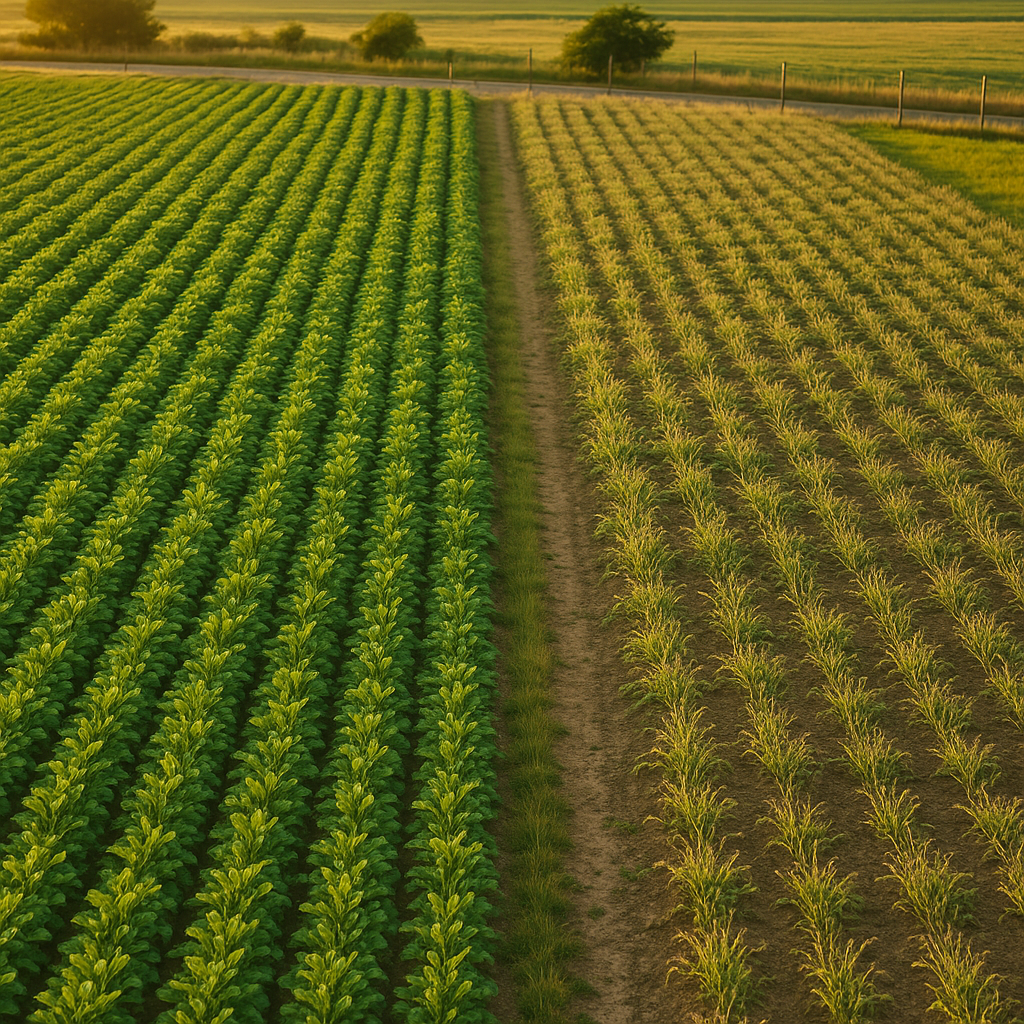
Discover the best biostimulants for certified organic agriculture in Europe. Improve your crops and request your free quote today.
The best biostimulants for certified organic agriculture in Europe
Biostimulants for organic agriculture are products that improve soil health and crop performance. These solutions can include seaweed extracts, microorganisms, and other natural compounds that promote plant growth, aid nutrient absorption, and increase resistance to diseases and environmental stress. In Europe, the use of biostimulants is on the rise due to the growing demand for sustainable and certified agricultural practices. Below are some of the most commonly used biostimulants and their prices in different areas.
Classification of Biostimulants
Biostimulants can be classified into different categories based on their origin and mode of action. The main categories include:
- Seaweed extracts: These products derive from various species of marine algae and are used for their ability to enhance plant resistance to adverse conditions. They contain phytohormones, polysaccharides, and micronutrients that stimulate growth. For example, the extract of Ascophyllum nodosum has been shown to increase chlorophyll production by 20%, which in turn improves photosynthesis.
- Microorganisms: These include beneficial bacteria and fungi that assist in nutrient solubilization and improve soil structure. Examples include Rhizobium, which establishes symbiosis with legumes, and Mycorrhizae, which increases phosphorus absorption by 50% in some crops.
- Amino acids and plant proteins: These compounds are essential for plant growth and improve plant health by increasing nutrient availability and enhancing stress resistance. A study in corn crops showed that the application of amino acids increased production by 15% under water stress conditions.
- Organic acids: Compounds such as fulvic acid and humic acid that help improve nutrient and water retention in the soil, facilitating absorption by the roots. These acids can enhance soil microbial activity by 30% and increase moisture retention by 25%.
Biostimulants Price Table

| Type of Biostimulant | Zone | Price (ARS) |
|---|---|---|
| Seaweed Extract | Buenos Aires | 5000 |
| Ecological Fulvic Acid | CABA | 4500 |
| Beneficial Microorganisms | Santa Fe | 6000 |
| Hydrolyzed Amino Acids | Córdoba | 5500 |
| Hydrolyzed Plant Proteins | Mendoza | 5200 |
Price and Efficiency Comparison
The choice of a biostimulant should not only be based on price but also on its proven effectiveness. Recent studies have shown that the use of seaweed extracts can increase crop production by 15-30% compared to untreated crops. For example, a study on tomato crops in Italy showed that the application of seaweed extract improved yield by 25%. Similarly, the use of beneficial microorganisms can reduce the need for chemical fertilizers by 20-40%, which not only reduces costs but also improves soil health in the long term.
Our experience
At EcoGanic, we have over 10 years of experience in the development and application of biostimulants in various crops in Argentina. We have worked on projects with farmers from different regions, including Buenos Aires, Córdoba, and Mendoza, applying innovative and sustainable techniques that comply with SENASA regulations. Our biostimulants have been used in soybean, corn, and vegetable crops, improving not only productivity but also soil health.
Success Cases in Biostimulant Applications
One of our most successful projects was with a soybean crop in the province of Buenos Aires. By applying a biostimulant based on seaweed extract, a 20% increase in yield was achieved compared to the control plot. Additionally, a notable improvement in soil structure and microbial activity was observed, indicating a positive effect on soil ecosystem health. In a subsequent analysis, it was determined that microbial diversity in the soil had increased by 35%, which is indicative of better ecological balance.
Another notable case occurred in a vegetable crop in Córdoba, where a hydrolyzed amino acid was used. This treatment not only increased the size and quality of the fruits but also reduced the incidence of fungal diseases by 30%, thanks to the increased resistance of the plants. Laboratory tests confirmed a 40% decrease in fungal load compared to the control, highlighting the effectiveness of biostimulants in disease management.
Research and Results in the Use of Biostimulants
Several studies have supported the effectiveness of biostimulants. An analysis conducted by Wageningen University in the Netherlands demonstrated that the use of fulvic acids in combination with beneficial microorganisms can increase nutrient absorption by up to 40%. This increase in nutrient availability not only improves plant health but also optimizes water use, which is critical in water-scarce regions. It was observed that the combined application of these biostimulants allowed for a 30% reduction in irrigation needed for crops.
Another study from the University of Córdoba in Spain found that biostimulants derived from marine algae can increase plant tolerance to water stress, improving water use efficiency by 25%. This is particularly relevant in the context of climate change, where extreme drought conditions are becoming increasingly common. In field trials, it was shown that plants treated with these biostimulants maintained healthy growth even under prolonged drought conditions, representing a significant advantage for farmers.
Biostimulant Application Practices
The application of biostimulants can be carried out in various ways, and choosing the right method is crucial to maximize their effectiveness. Some of the most common practices include:
- Foliar spraying: This method allows for rapid absorption of biostimulants through the leaves. It is recommended to apply in the early morning or at sunset to avoid evaporation. Studies have shown that foliar spraying of seaweed extracts can result in a 15% increase in vegetative growth compared to soil application.
- Incorporation into the soil: Biostimulants can be mixed with the substrate at the time of planting or applied during the crop cycle. This is particularly effective with microorganisms that need to establish themselves in the soil. For example, incorporating Mycorrhizae at corn planting has shown a 20% increase in nutrient absorption.
- Drip irrigation: Application through drip irrigation systems allows for uniform and efficient distribution of the biostimulant, minimizing waste and maximizing absorption by the roots. In a case study on tomato crops, the application of amino acids through drip irrigation resulted in a 25% increase in fruit production.
Considerations for Selecting Biostimulants
When selecting a biostimulant, it is essential to consider several factors that may influence its effectiveness:
- Type of crop: Different crops may respond differently to biostimulants. It is important to choose a product that is specifically formulated for the type of crop being managed. For example, vegetable crops may benefit more from amino acids, while cereal crops may respond better to seaweed extracts.
- Soil conditions: The health and composition of the soil can affect the efficacy of biostimulants. Conducting a soil analysis can provide valuable information for selecting the appropriate product. It has been found that soils with high organic matter content have a better response to the application of biostimulants, showing a 40% increase in microbial activity.
- Climate conditions: Environmental conditions, such as temperature and humidity, can influence the activity of biostimulants. For example, in high-temperature conditions, some biostimulants may be less effective. A study in warm climates showed that applying biostimulants during cooler hours of the day improved their effectiveness by 30%.
Benefits of Using Biostimulants in Organic Agriculture
The use of biostimulants in organic agriculture offers a range of benefits that go beyond increased yields. Some of these benefits include:
- Improvement of Soil Fertility: Biostimulants contribute to the formation of organic matter and microbial activity, improving soil structure and its ability to retain water and nutrients. A study showed that regular application of biostimulants can increase soil organic matter by 1% annually, which is significant for the long-term health of the agricultural ecosystem.
- Increased Plant Resilience: Crops treated with biostimulants show greater resistance to adverse conditions, such as droughts or pest attacks, resulting in more stable production. In trials, it was observed that crops treated with biostimulants had a 20% reduction in mortality due to environmental stress.
- Reduction of Chemical Inputs: By improving nutrient absorption efficiency, biostimulants can reduce the need for chemical fertilizers, which is fundamental in organic agriculture. Farmers who applied biostimulants instead of chemical fertilizers reported a 30% decrease in input costs.
- Improvement of Product Quality: Crops treated with biostimulants often exhibit better organoleptic characteristics, which can translate into a higher market price. A study on fruit crops showed that the application of biostimulants increased sugar concentration in the fruits, improving their taste and marketability.
Case Studies on the Impact of Biostimulants
A case study conducted on a wheat crop in France showed that the application of an amino acid-based biostimulant increased yield by 18% compared to a control plot. Additionally, grain quality improved, with a 12% increase in protein content. These results were corroborated by laboratory analyses that confirmed the improvement in wheat quality parameters. Farmers also reported greater disease resistance, reducing the need for fungicide treatments by 25%.
In another case, a seaweed extract-based biostimulant was applied to a corn crop in Germany. The results showed a 30% increase in biomass production and a 25% reduction in disease incidence, demonstrating the effectiveness of these products in improving plant health and resistance to pathogens. Leaf analysis showed a 15% increase in chlorophyll content, indicating an improvement in photosynthesis and, consequently, in overall crop production.
Conclusions
Biostimulants represent a valuable tool for certified organic agriculture in Europe and other regions of the world. Their ability to improve soil health, increase plant resistance, and optimize resource use makes them an attractive option for farmers seeking more sustainable practices. As the demand for organic products continues to grow, the adoption of biostimulants will become an essential component of modern agriculture. Supported by scientific studies and successful practical cases, it is evident that biostimulants not only benefit crops but also promote a healthier and more resilient agricultural ecosystem.
Recent Research on Biostimulants
Research in the field of biostimulants has advanced significantly in recent years, with a particular focus on identifying bioactive compounds and their interaction with plants. A study conducted by the University of Córdoba in Spain revealed that certain polysaccharides extracted from marine algae not only improve nutrient absorption but also act as signaling agents that stimulate defensive responses in plants. This mechanism can increase the production of secondary metabolites that are crucial for plant defense against pathogens.
Additionally, biostimulants have been shown to influence soil microbiota, promoting microbial diversity and favoring species that are beneficial for plant growth. A study from Wageningen University found that the use of biostimulants derived from specific microorganisms can increase microbial biomass in the soil by 50%, which in turn improves nutrient availability and overall soil health. This change in soil microbiota not only enhances fertility but also contributes to the resilience of the agricultural ecosystem against climate changes and environmental stress.
Future Applications of Biostimulants
As agriculture faces challenges such as climate change, water resource scarcity, and pest pressure, biostimulants are emerging as a promising solution. Current research is exploring the possibility of combining biostimulants with emerging technologies, such as precision agriculture and biotechnology, to maximize their effectiveness. For example, integrating soil and climate sensors with the application of biostimulants could allow for more efficient and targeted use, thereby improving crop sustainability.
Moreover, the industry is beginning to develop personalized biostimulants, specifically formulated to respond to the needs of particular crops and specific environmental conditions. This could revolutionize the way crops are managed, offering more tailored and effective solutions in the field. The trend towards personalization of these products not only optimizes their effectiveness but can also reduce input use and maximize economic benefits for farmers.
Additionally, research into the development of biostimulants from agricultural waste is gaining momentum. For example, using food industry waste to create biostimulants not only provides a sustainable solution for waste management but can also result in products that enhance soil fertility and plant growth. Preliminary studies have shown that biostimulants derived from these wastes can increase crop yields by 10-20%, representing a dual advantage for farmers and the environment.
Finally, collaboration between universities, research centers, and private companies is facilitating technology transfer and the development of new biostimulants. Creating collaborative networks allows for data and experience sharing, accelerating the research process and improving the effectiveness of final products. This synergy is key to addressing current and future agricultural challenges, ensuring sustainable and resource-efficient production.
Related Articles
Need professional help?
At in Argentina, Latin America, we offer agriculture. Call us: +54 11 0000 0000.
The best biostimulants for certified organic agriculture in Europe
In certified organic agriculture in Europe, biostimulants play a crucial role in improving plant growth and soil health. According to a study by the European Union, the use of biostimulants can increase crop yields by 15-20% compared to conventional practices. These products, which include seaweed extracts, humates, and microorganisms, help plants withstand environmental stress and improve nutrient availability.
One of the most recommended biostimulants is the extract of Ascophyllum nodosum, a marine algae that has been shown to increase biomass production by 25% and improve fruit quality. Additionally, humates derived from stabilized organic matter are effective in increasing the soil’s water retention capacity, which is essential in regions with frequent droughts.
To achieve the best results, it is suggested to apply biostimulants at times of high nutrient demand, such as during the vegetative growth phase. It is also advisable to conduct soil analyses to determine the specific needs of each crop and thus select the most suitable biostimulant.
Related Articles
- Home
- Biostimulants with Blue-Green Algae: Agronomic Benefits
Frequently Asked Questions
What are biostimulants for organic agriculture?
They are natural products that improve plant growth and development, increasing efficiency in nutrient absorption and resistance to stress factors.
What are the benefits of using biostimulants?
They improve soil health, increase crop yields, and favor sustainable agricultural practices.
Where can biostimulants be purchased in Argentina?
Biostimulants can be bought in specialized agricultural product stores or through authorized distributors.
What is the average cost of biostimulants?
Prices vary depending on the type of biostimulant and the region, ranging from 4500 to 6000 ARS per unit.
Are biostimulants safe for the environment?
Yes, they are designed to be eco-friendly and non-harmful, complying with organic agriculture regulations.
How long does it take to see results?
Results may vary, but improvements in growth are generally observed within two weeks after application.
Are there specific biostimulants for each type of crop?
Yes, there are biostimulants formulated for different crops, adapting to their specific needs.
How are biostimulants applied?
They can be applied through irrigation, foliar spraying, or incorporation into the soil, depending on the product and the manufacturer’s recommendations.