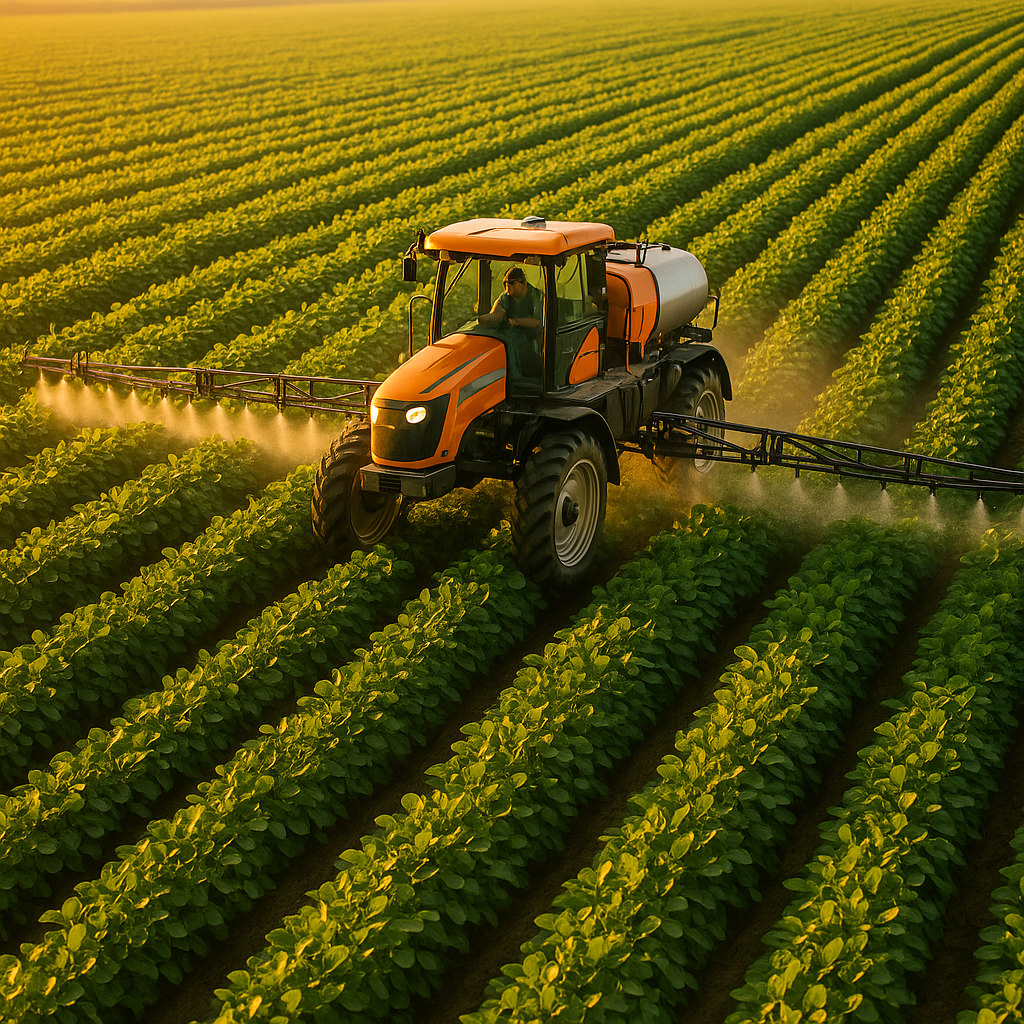
Discover how the application of biostimulants in Argentine soybean cultivation can improve your harvests. Request your free quote and optimize your production!
Introduction
The application of biostimulants in soybean cultivation in Argentina has gained relevance in modern agriculture. These products, based on natural substances, not only enhance plant growth but also optimize nutrient use and increase crop resilience against adverse conditions. In this article, we will explore how biostimulants can transform soybean production in Argentina, as well as the agronomic benefits and regulations governing their use.
Benefits of Biostimulants
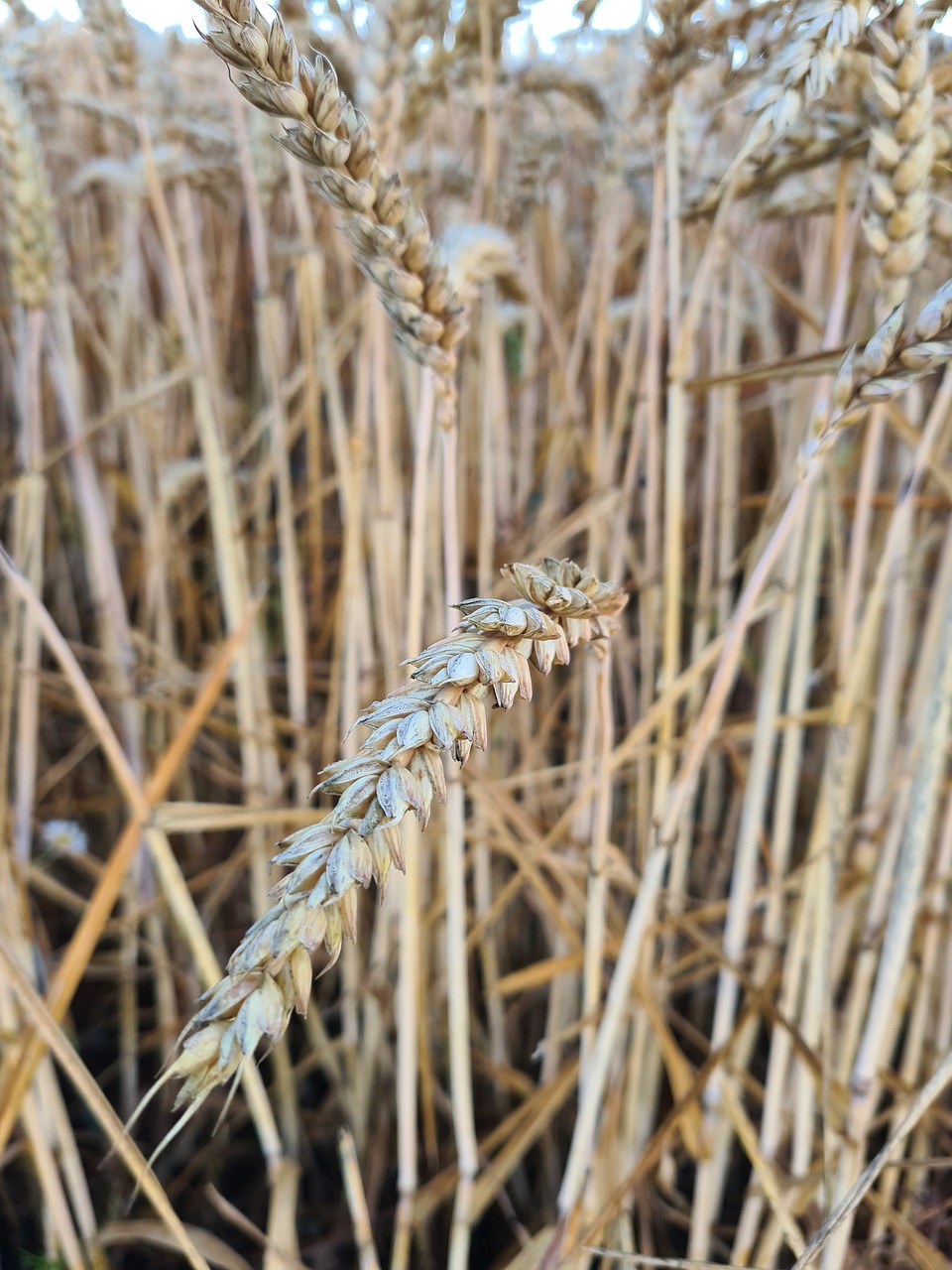
Biostimulants are products that promote plant growth and improve crop health. In the case of soybeans, their application can result in:
- Improved nutrient absorption: Biostimulants facilitate the mobilization of nutrients in the soil, increasing their availability to plants.
- Root growth stimulation: A more robust root system allows plants to access water and nutrients more efficiently.
- Resistance to water stress: Biostimulants help plants tolerate drought conditions, which is crucial in regions with variable climates.
- Increased grain quality: By improving the overall health of the plant, biostimulants can positively influence the quality of soybean grain.
Mechanisms of Action of Biostimulants
Biostimulants act through various biochemical and physiological mechanisms. For example, some humic and fulvic acid-based biostimulants improve soil structure, increasing water retention and nutrient availability. A study conducted by the National University of Litoral in 2021 demonstrated that the application of these compounds can increase nitrogen availability by 25%, resulting in more vigorous vegetative growth.
Additionally, biostimulants can induce the production of phytohormones in plants, such as auxins and gibberellins, which are essential for growth and development. This translates into increased cell division and root elongation, allowing plants to access soil resources that would otherwise be out of reach. According to research from the National Institute of Agricultural Technology (INTA), the use of biostimulants can increase the activity of enzymes related to nutrient absorption, such as phosphatase, by 30%.
Impact on Grain Yield
The use of biostimulants has been shown to have a positive effect on soybean grain yield. In field trials conducted in the Pampas region, an increase in yield of up to 15% was reported compared to crops that did not receive treatment. This yield increase is associated with better node formation and a greater number of grains per plant, which in turn is related to a more developed root system and better nutrient absorption. A 2020 study by the University of Buenos Aires indicated that the use of biostimulants in soybeans not only increases yield but also improves the uniformity of grain size, which is crucial for commercial quality.
Case Studies
A study conducted by the National Institute of Agricultural Technology (INTA) in 2022 showed that the application of an amino acid-based biostimulant in soybean crops in the province of Santa Fe resulted in a 12% increase in grain yield and an improvement in quality, evidenced by a 3% increase in protein content compared to the control. This increase in quality translates into a higher commercial value, benefiting the producer.
Furthermore, an analysis of 50 field trials in different locations in Argentina showed that the use of biostimulants can increase not only yield but also grain quality, increasing oil content by 4% compared to untreated crops. These results highlight the importance of biostimulants in the sustainable production of soybeans. In a specific case in the province of Buenos Aires, it was reported that the use of a seaweed extract-based biostimulant not only improved yield but also reduced pest incidence, allowing for a 20% reduction in phytosanitary control costs.
Regulation and Standards
In Argentina, the use of biostimulants is regulated by SENASA. This entity establishes standards that ensure the quality and safety of agricultural products. It is essential for farmers to be aware of these regulations to ensure that the biostimulants used are approved and meet the required standards.
Classification of Biostimulants in Argentina
Biostimulants are classified into several categories based on their origin and composition. In Argentina, the following types are primarily recognized:
- Plant-derived biostimulants: These are derived from plant extracts and are rich in bioactive compounds. For example, seaweed extracts are known for their ability to improve stress tolerance.
- Microbial biostimulants: They contain beneficial microorganisms that improve soil and plant health. Specific strains of rhizobacteria have been shown to increase phosphorus availability by 40%.
- Amino acid-based biostimulants: They provide essential nutrients and promote metabolic processes in plants. The application of amino acids at critical development stages can improve photosynthesis by 15%.
- Humic and fulvic acid-based biostimulants: They improve soil quality and nutrient availability, increasing water retention capacity by up to 30%.
Requirements for Biostimulant Approval
For a biostimulant to be approved by SENASA, it must meet certain requirements that ensure its efficacy and safety. This includes the submission of efficacy studies demonstrating the positive impact of the product on crop growth and yield, as well as the evaluation of its toxicity to the environment and human health. Manufacturers must provide data supporting the claims of the product’s benefits, as well as information about its chemical and biological composition. A 2021 report from SENASA highlighted that 75% of approved biostimulants showed significant improvements in crop yields under stress conditions.
International Standards
In addition to national regulations, it is important to consider international standards governing the use of biostimulants. The Food and Agriculture Organization (FAO) and the World Health Organization (WHO) have established guidelines for the safe use of bioproducts in agriculture. These regulations aim to ensure that biostimulants used in agricultural production do not pose a risk to public health and the environment, thus promoting more sustainable agricultural practices. In this regard, the FAO has recommended the implementation of good agricultural practices that include the use of biostimulants as part of a comprehensive approach to sustainable production.
Related Articles
- Biostimulants with Blue-Green Algae: Agronomic Benefits
- Biostimulant with Seaweed Extract in Argentina
- Chlorella Biostimulant: Benefits and Application in Crops
Need professional help?
In in Argentina, Latin America, we offer agriculture. Call us: +54 11 0000 0000.
Practical Application
The application of biostimulants in soybeans should be carefully planned. Some aspects to consider are:
- Timing of application: It is recommended to apply biostimulants at key stages of soybean growth, such as during planting and vegetative development. Studies have shown that application at the seedling stage can result in a 10% increase in initial growth.
- Appropriate doses: Doses may vary depending on the type of biostimulant and crop conditions. It is advisable to follow the manufacturer’s instructions and conduct efficacy tests. The optimal dose of seaweed-based biostimulants can range from 1 to 3 liters per hectare, depending on soil conditions.
- Environmental conditions: The effectiveness of biostimulants can be influenced by factors such as temperature and soil moisture. Recent research suggests that the application of biostimulants is more effective in soils with 60-70% moisture.
Examples of Field Application
A notable example of biostimulant application in soybean cultivation in Argentina took place in the province of Córdoba, where a group of farmers implemented a fertilization program that included the application of a seaweed extract-based biostimulant. This practice resulted in an 18% increase in grain yield compared to control plots. Farmers also reported an improvement in plant resistance to foliar diseases, which translated into lower phytosanitary control costs. This case demonstrates how the integration of biostimulants into fertilization can be an effective strategy for increasing profitability in soybean production.
Another successful case was observed in Entre Ríos, where a microbial biostimulant containing growth-promoting rhizobacteria was used. In this case, treated crops showed a significant increase in root development, which correlated with a greater capacity for water and nutrient absorption, and a 20% increase in final yield. Farmers also noted a reduction in the need for irrigation, representing a significant savings in operational costs.
Considerations for Biostimulant Management
To maximize the benefits of biostimulants in soybean cultivation, it is crucial to consider several factors:
- Monitoring Soil Conditions: Conduct regular soil analyses to determine nutrient availability and adjust biostimulant applications as needed. A soil analysis conducted before and after the application of biostimulants can show an increase in the availability of key nutrients such as nitrogen and phosphorus.
- Integration with Agronomic Practices: Biostimulants should be part of a comprehensive approach that includes crop rotation, proper fertilization management, and pest control. The combination of biostimulants with conservation agriculture practices has been shown to improve soil health and increase long-term productivity.
- Education and Training: Farmers should be trained in the use and management of biostimulants to ensure their correct application and maximize their benefits. Training programs and workshops on the use of biostimulants have been shown to increase the adoption of these practices by 30% among farmers.
Innovations in Biostimulant Application
Technology in agriculture has advanced significantly, allowing for the more precise and efficient application of biostimulants. For example, the use of drones for the application of biostimulants in soybean crops is a growing trend. These devices allow for uniform and controlled distribution of products, which can increase the effectiveness of biostimulants and reduce labor costs. The application of biostimulants via drones also minimizes soil compaction, a common problem in conventional agriculture.
In a study conducted in 2023, it was demonstrated that the application of biostimulants through drones in soybean crops resulted in a 22% increase in grain yield compared to traditional applications. This is attributed to the precise distribution and the ability to reach areas that are difficult to access with conventional machinery. Additionally, the use of monitoring technologies, such as soil moisture and nutrient sensors, allows farmers to make informed decisions about when and how to apply biostimulants, thus optimizing their use and improving agricultural efficiency.
For more information on available products, you can visit our biostimulants section.
Challenges in Biostimulant Implementation
Despite the benefits of biostimulants, their implementation faces several challenges. One of the main issues is the lack of knowledge and experience among some farmers. Many producers are still unfamiliar with the use of biostimulants and their potential benefits. To address this issue, it is essential to develop education and training programs that inform about best usage practices and expected outcomes. Collaboration between research institutions, universities, and producer associations can facilitate technology and knowledge transfer.
Another challenge is the variability in the quality of products available on the market. There are numerous biostimulants, and not all are standardized or meet quality requirements. This can lead to inconsistent results in application. Farmers should be advised to select products that have demonstrated efficacy through field trials and are supported by scientific data. Proper regulation and certification of products are also essential to ensure that only high-quality biostimulants are used in crops.
Future Perspectives
The future of biostimulants in Argentine agriculture is promising. With the increasing demand for sustainable agricultural practices and the need to maximize production in the context of climate change, biostimulants are positioned as a key tool. Research is expected to continue advancing in identifying new biostimulants and understanding their mechanisms of action. Additionally, the integration of emerging technologies, such as biotechnology and artificial intelligence, may further optimize the application of biostimulants and improve their effectiveness under different cultivation conditions.
Furthermore, collaboration between the private sector and academic and governmental institutions is expected to drive the development of new products and application strategies. With greater investment in research and development, Argentina can become a leader in the production and use of biostimulants, benefiting both farmers and the environment.
Ongoing Research on Biostimulants
Research on biostimulants is constantly evolving. Studies are being conducted to identify new formulations and combinations of biostimulants that can offer additional benefits. For example, the combination of microbial biostimulants with plant extracts has shown promising results in terms of synergy, where the joint action of both can multiply the positive effects on crop growth and yield. A recent study in 2023 at the National University of Rosario demonstrated that the combination of rhizobacteria with seaweed extracts increased nitrogen use efficiency by 35%.
Additionally, new sources of biostimulants are being explored, such as agro-industrial waste, which can be transformed into valuable products. For example, the use of by-products from the brewing industry as a source of amino acids has shown positive results in improving plant growth, which not only provides agronomic benefits but also contributes to sustainability by reducing waste.
Integration of Biostimulants in Sustainable Cultivation Systems
Biostimulants can also play a crucial role in the transition to more sustainable cultivation systems. Their use can reduce dependence on chemical inputs, improve soil health, and increase microbial biodiversity. By promoting cultivation practices that integrate biostimulants, it is possible to contribute to the restoration of agricultural ecosystems and mitigate the effects of climate change. A holistic approach that combines biostimulants with conservation agriculture techniques, such as no-till and crop rotation, can result in more resilient and productive agricultural systems.
The implementation of these practices not only benefits farmers in the short term but also ensures the sustainability of agricultural production in the long term, which is essential to face future food challenges.
Frequently Asked Questions
What are biostimulants?
Biostimulants are natural products that promote plant growth and improve nutrient use efficiency.
How are biostimulants applied in soybeans?
They are applied at key moments in the crop cycle, such as during planting and vegetative development stages, following the recommended doses.
Are biostimulants regulated in Argentina?
Yes, the use of biostimulants is regulated by SENASA, which establishes standards for their safe application.
Where can I purchase biostimulants in Argentina?
You can request information and a quote through our website, where you will find a variety of products.
What is the cost of biostimulants?
The cost may vary depending on the type of product and the required doses. We invite you to contact us for a personalized quote.