
Discover how biostimulants with seaweed extract in agriculture can improve your crops, their benefits, and the correct way to apply them.
Introduction
In organic agriculture in Argentina, the use of biostimulants with seaweed extract has become an effective alternative to improve crop health and increase their resistance to adverse conditions. These biostimulants, which comply with SENASA regulations, offer multiple benefits ranging from increased nutrient use efficiency to improved soil structure. In this article, we will explore their mechanism of action, proven benefits, and how to apply them in your agricultural production.
Mechanism of Action
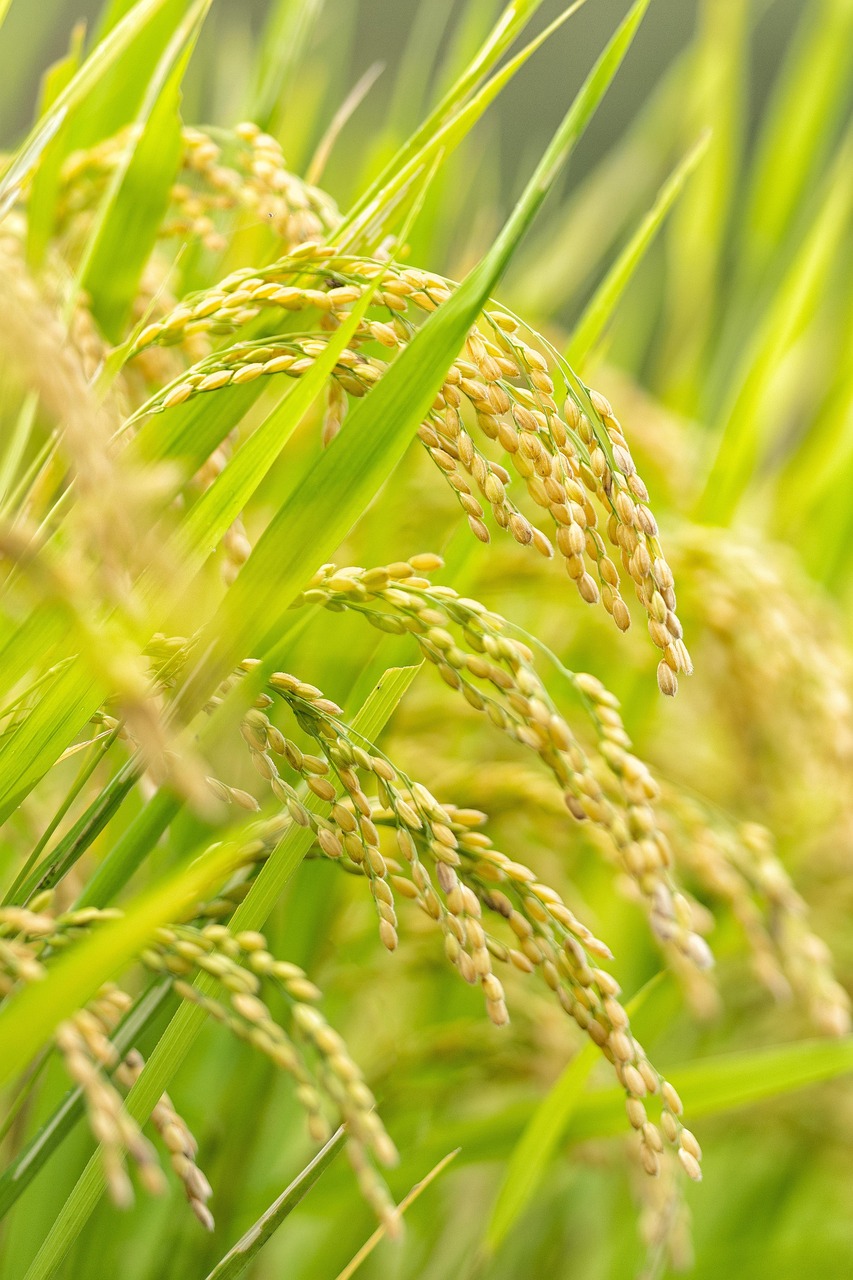
Seaweed-based biostimulants act through various mechanisms that benefit plants. Firstly, these products contain a variety of bioactive compounds, such as auxins, cytokinins, and gibberellins, which regulate plant growth. These hormones stimulate cell division and elongation, promoting more vigorous development.
Biochemical Composition of Seaweeds
Seaweeds are rich in polysaccharides, amino acids, and vitamins. For example, alginic acid, a polysaccharide found in many seaweeds, not only acts as a gel that retains water but also improves nutrient availability by forming complexes with them. Additionally, amino acids like glycine and proline, found in seaweed extracts, are crucial for protein synthesis and cell growth. A study from the University of Exeter demonstrated that the application of seaweed extracts increased chlorophyll production by 15%, translating into greater photosynthetic capacity and, therefore, more robust plant growth.
Interaction with Soil Microbiome
Seaweed extract improves nutrient assimilation by increasing microbial activity in the soil. This microbial activity not only decomposes organic matter but also facilitates the availability of essential nutrients for plants. A study conducted by the National University of La Plata found that the application of seaweed-based biostimulants increased the population of beneficial microorganisms in the soil by 40%, resulting in a 25% increase in nitrogen absorption by plants. The presence of certain compounds in seaweeds, such as beta-glucans, may also stimulate the production of secondary metabolites that favor the growth of beneficial microorganisms, creating a healthier environment for root development.
Adaptation to Environmental Stress
On the other hand, biostimulants help plants adapt to stress conditions, such as droughts or high temperatures, by improving their water retention capacity. Research has shown that plants treated with seaweed extracts have a 30% greater water retention capacity in the soil, which is crucial in drought-prone regions. Moreover, these plants show a decrease in ethylene production, a hormone released in response to stress, allowing them to maintain healthy growth even under adverse conditions. In a controlled experiment, it was observed that plants treated with seaweed biostimulants could survive water stress conditions for 20% longer compared to untreated ones, which is a significant advantage in arid climates.
Proven Benefits
The benefits of biostimulants with seaweed extract have been supported by various agronomic studies. Among the main benefits are:
- Increased crop yield: Trials have shown that the use of these biostimulants can significantly increase the production of crops such as soybeans, corn, and vegetables. A study in the province of Córdoba showed a 15-20% increase in soybean yield after the application of seaweed biostimulants compared to a control group. In corn crops, an increase of up to 25% in grain production has been documented, thanks to improved nutrient absorption and stress resistance.
- Improvement of soil quality: Regular application of biostimulants contributes to humus formation and improves soil structure, which in turn favors root growth. The incorporation of these biostimulants has been associated with a 30% increase in the soil’s moisture retention capacity. This is crucial in cropping systems where soil health is fundamental to maintaining long-term productivity.
- Reduction of chemical fertilizer use: By improving nutrient use efficiency, biostimulants allow for a decrease in dependence on chemical fertilizers, aligning with organic farming practices. An economic analysis conducted on vegetable farms in Mendoza revealed that farmers were able to reduce chemical fertilizer application by 25% when using seaweed biostimulants. This not only represents significant cost savings but also contributes to environmental sustainability by reducing nutrient leaching into water bodies.
- Increased resistance to diseases: Plants treated with biostimulants show greater resistance to pathogens and pests, reducing the need for pesticides. In a field study in Santa Fe, tomato plants treated with seaweed extracts showed a 40% lower incidence of fungal diseases compared to untreated plants. This effect is attributed to the activation of natural defenses in the plants, allowing them to respond better to infections.
How to Apply It
The application of biostimulants with seaweed extract is straightforward but requires attention to the appropriate doses and timing. Below are the best practices:
- Recommended dose: Generally, it is recommended to apply between 2 to 5 liters per hectare, depending on the crop and specific soil conditions. For example, in corn crops, a dose of 3 liters per hectare has been found to provide optimal results in terms of yield. It is important to conduct soil tests before application to adjust doses according to the specific needs of the crop.
- Application timing: It is recommended to apply the biostimulant at the beginning of the growth cycle and during critical stages, such as flowering and grain filling. In vegetable crops, application during the transplant phase has shown significant improvements in plant establishment. A study in pepper crops revealed that application during the flowering stage can increase the number of fruits by 20%.
- Application methods: They can be applied through irrigation, foliar spraying, or soil injection, ensuring uniform distribution. In a trial conducted in lettuce crops, foliar application was shown to be more effective, increasing growth by 18% compared to soil application. The choice of application method may depend on climatic conditions and the type of crop, as well as the availability of equipment on the farm.
It is essential to follow the manufacturer’s instructions and consider the specific recommendations from SENASA to ensure effectiveness and regulatory compliance.
Practical Application Examples
In agricultural practice, the implementation of biostimulants with seaweed extract has shown promising results. In one case in the Entre Ríos region, a corn producer applied a seaweed-based biostimulant during the early growth stages. As a result, he observed more uniform and robust growth compared to untreated plots. The final yield of the harvest increased by 22%, which meant a considerable improvement in his profitability. Additionally, the producer noted less water stress in his crop, allowing him to optimize water use.
Another example occurs in tomato crops in the province of San Juan. Farmers who applied biostimulants during flowering reported larger and higher quality fruits, along with a reduction in disease incidence. This translated into a 30% increase in the selling price per kilogram, significantly improving profit margins. In this case, producers also noted an increase in the shelf life of tomatoes in the market, contributing to better marketing.
Finally, in a vegetable crop in the province of Mendoza, a farmer used seaweed biostimulants to improve resistance to water stress. During a drought period, treated plants maintained better turgor and healthier growth, allowing for a satisfactory harvest under adverse climatic conditions. This farmer reported that despite the difficult conditions, he managed to maintain a yield similar to previous years, representing a success in his agricultural management.
Economic and Environmental Considerations
The adoption of biostimulants with seaweed extract not only has agronomic benefits but also presents economic and environmental considerations. From an economic perspective, the use of these products can translate into a reduction in operating costs. For example, by decreasing dependence on chemical fertilizers by 25%, farmers can achieve significant savings on inputs. In a cost analysis conducted on vegetable farms in Mendoza, it was estimated that farmers who implemented biostimulants could recover their initial investment in less than two crop cycles.
From an environmental perspective, the use of biostimulants contributes to more sustainable agricultural practices. By reducing the application of fertilizers and pesticides, the risk of contamination of surface and groundwater is minimized, which is essential for ecosystem preservation. Research has shown that the use of biostimulants can improve soil biodiversity, favoring the activity of beneficial microorganisms and promoting a more balanced nutrient cycle. Additionally, their use can contribute to mitigating the effects of climate change by improving plants’ ability to adapt to extreme conditions.
Future Research and Product Development
As the demand for sustainable agricultural practices continues to grow, research on seaweed-based biostimulants is constantly evolving. New studies are exploring the combination of seaweed extracts with other biostimulants and agricultural practices, such as conservation agriculture and crop rotation. Recent research at the University of Buenos Aires has begun to evaluate the synergy between seaweed biostimulants and beneficial soil microorganisms, which could open new avenues for improving crop health.
Moreover, the development of more concentrated and specific products for different types of crops is a growing trend. This allows farmers to use biostimulants more efficiently, adapting applications to the specific needs of each crop and soil condition. In this regard, collaboration between researchers and industry will be key to advancing the formulation of biostimulants that maximize both agronomic and environmental benefits. For example, the incorporation of encapsulation technology to improve the controlled release of nutrients and bioactives could increase the effectiveness of these products.
Market Perspectives
The market for seaweed-based biostimulants has shown significant growth in recent years, driven by the increasing demand for sustainable agricultural practices. According to a report by the consulting firm MarketsandMarkets, the global biostimulant market is expected to grow at a compound annual growth rate of 12% until 2025. This growth is due to the need to increase agricultural productivity without compromising environmental health. In Argentina, the adoption of biostimulants is expected to continue to rise, especially among farmers seeking organic certifications and sustainable management practices. The growing concern for food security and sustainability is also driving interest in these products, resulting in more companies investing in research and development in this area.
Challenges in Implementation
Despite the evident benefits, the implementation of seaweed-based biostimulants faces certain challenges. One of the main obstacles is the lack of knowledge and training among farmers regarding their proper use. Many producers are still not familiar with the properties and applications of these products, which can limit their adoption. Additionally, variability in the quality and concentration of biostimulants available on the market can lead to inconsistent results, highlighting the need for stricter regulations and quality standards.
Another challenge is the integration of biostimulants into existing cropping systems. Farmers who have traditionally relied on chemical fertilizers may be reluctant to change their practices. It is essential to provide clear information and evidence of the long-term benefits of biostimulants, as well as to conduct case studies demonstrating success under different agricultural conditions. Creating networks for experience sharing among farmers can also facilitate the adoption and understanding of these products.
Safety and Regulation Considerations
The safety of biostimulants is a crucial aspect that must be considered. Although many seaweed extracts are considered safe and non-toxic, it is important for farmers to be aware of local and international regulations regarding their use. The Food and Agriculture Organization of the United Nations (FAO) and other regulatory entities have established protocols to ensure that these products do not cause adverse effects on human health or the environment. For example, it is recommended that farmers use biostimulants that have certifications guaranteeing their quality and safety, which will provide them with confidence when applying them to their crops.
Conclusions
Biostimulants with seaweed extract represent a valuable tool for modern agriculture, offering both agronomic and environmental benefits. Their ability to improve crop yield, soil quality, and disease resistance makes them an attractive option for farmers seeking more sustainable practices. As research and development continue to advance, it is crucial for producers to be informed about best application practices and expected outcomes. Collaboration between researchers, farmers, and industry will be essential to maximize the potential of these biostimulants in the future of agriculture. Additionally, the commitment to sustainability and innovation will remain a key driver for the evolution of the agricultural sector in Argentina.
Related Articles
Need professional help?
In in Argentina, Latin America, we offer agriculture. Call us: +54 11 0000 0000.
Biostimulant with Seaweed Extract in Agriculture
Seaweed-based biostimulants have proven to be an effective tool for improving crop yield. These products primarily act through the regulation of plant growth, promoting nutrient absorption and increasing resistance to environmental stress. It has been shown that the use of these biostimulants can increase crop yield by 10-20% compared to untreated plants.
Seaweed extracts, such as those from Ascophyllum nodosum, contain auxins, gibberellins, and cytokinins, which are plant hormones that stimulate growth and development. These substances activate physiological processes that improve water and nutrient use efficiency. Under stress conditions, such as droughts or frosts, it has been observed that plants treated with these biostimulants show a 30% reduction in yield loss.
To apply biostimulants with seaweed extract, a dosage of between 1 to 2 liters per hectare is recommended, depending on the type of crop and soil conditions. It is ideal to apply the product at critical stages of plant development, such as transplanting or flowering, to maximize benefits. Additionally, it is suggested to perform foliar applications every 15 to 30 days, which can result in a significant improvement in the quality of the final product, increasing nutrient content by 15-25%.
Related Articles
- Home
- Biological Fertilizers for Corn: Advantages and SENASA Certification
- Regenerative Agriculture in Rice: Biostimulants
Frequently Asked Questions
What are biostimulants with seaweed extract?
They are products that contain bioactive compounds derived from seaweeds, used to improve plant growth and health.
How do they benefit crops?
They improve nutrient assimilation, increase yield, improve soil quality, and reduce the need for chemical inputs.
Are they safe for the environment?
Yes, as long as they are used according to SENASA regulations and the recommended doses are followed.
Where can I get biostimulants with seaweed extract?
You can find a wide range of biostimulants on our product page.