
Discover ecological nitrogen for sunflower, a sustainable alternative to urea and ammonium nitrate. Improve your crops in Argentina. Contact us.
Introduction
The use of ecological nitrogen for sunflower cultivation has become a viable and sustainable alternative to traditional fertilizers such as urea and ammonium nitrate. In a context where agriculture faces environmental and economic challenges, the adoption of innovative solutions is crucial to ensure productivity and sustainability of crops in Argentina.
Benefits of Ecological Nitrogen
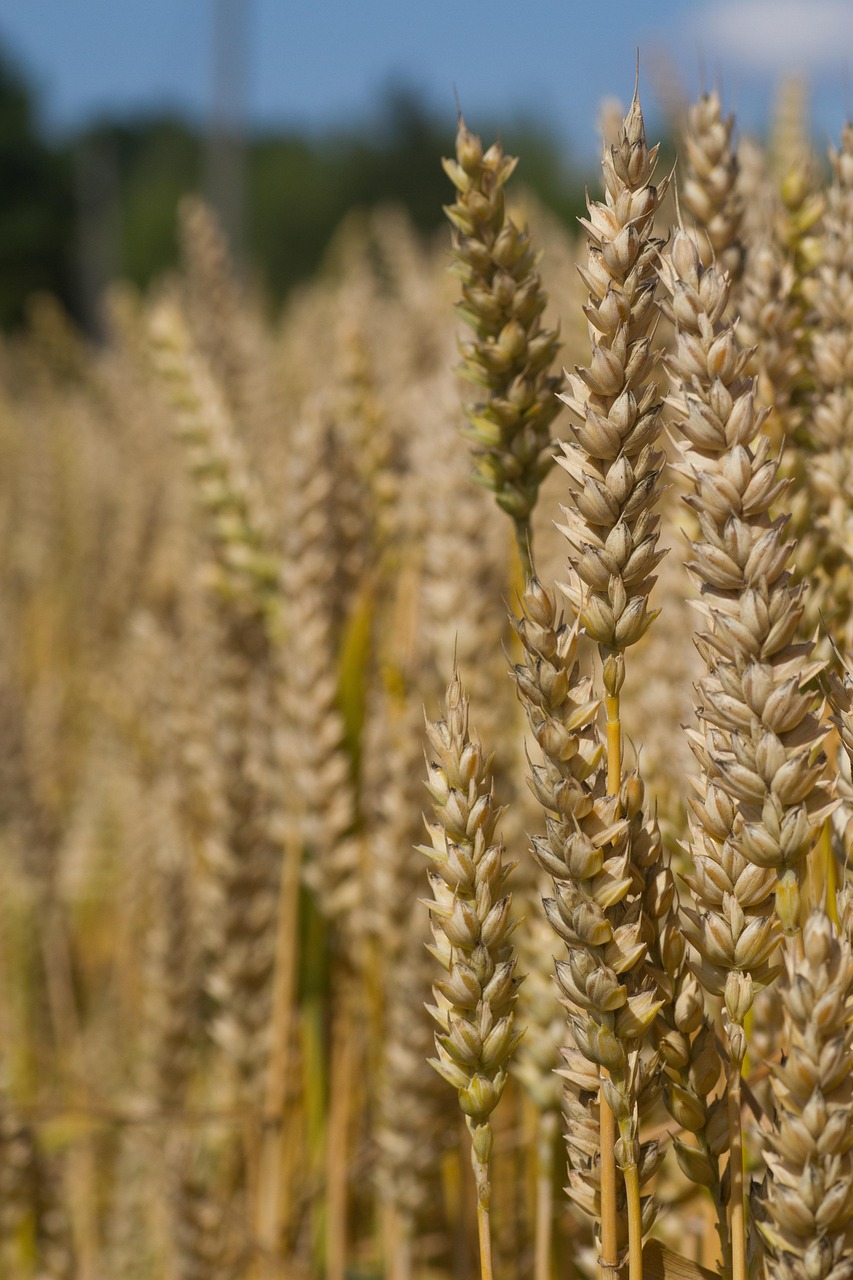
Ecological nitrogen, derived from organic sources, offers multiple benefits for sunflower cultivation:
- Improvement of soil health: By using ecological nitrogen, the biological activity of the soil is promoted, improving its structure and quality. This translates into an increase in the capacity to retain water and nutrients.
- Cost reduction: Although the initial investment may be similar to that of chemical fertilizers, long-term benefits, such as reduced inputs and improvements in production, can result in significant savings.
- Lower environmental impact: By opting for ecological nitrogen, soil and water pollution is reduced, as these products are biodegradable and do not contribute to erosion or salinization.
Biochemical Mechanisms of Ecological Nitrogen
Ecological nitrogen acts through various biochemical mechanisms that favor plant growth. Its gradual release is due to the action of soil microorganisms that decompose organic matter. This mineralization process converts organic nitrogen into inorganic forms that plants can absorb, such as ammonium (NH4+) and nitrate (NO3-). Studies have shown that the use of ecological nitrogen can increase the enzymatic activity of the soil, improving the availability of essential nutrients such as phosphorus and potassium. In particular, the activity of enzymes such as phosphatase and urease has been increased in soils treated with ecological nitrogen, resulting in greater phosphorus solubility and a more efficient release of nitrogen.
Results of Field Trials
Field trials conducted in various regions of Argentina have shown that the use of ecological nitrogen can increase sunflower crop yields while minimizing the use of chemical inputs. Recent agronomic studies indicate that crops treated with ecological nitrogen exhibit greater resistance to diseases and water stress. In specific tests, a 15% increase in seed yield has been reported compared to crops treated with urea, along with a notable improvement in the quality of the extracted oil, resulting in a 5% higher yield compared to conventional methods. For example, in the La Pampa region, farmers who adopted fertilization practices with ecological nitrogen observed an increase in oleic acid content in sunflower oil, translating into a higher quality product for the food industry.
Comparative Studies
Research conducted by the National University of Central Buenos Aires Province has compared the use of ecological nitrogen with chemical fertilizers under different climatic and soil conditions. In these studies, it was observed that soils treated with ecological fertilizers showed a 10% higher organic matter content compared to those treated with urea. This not only improved soil structure but also increased the biodiversity of microorganisms, contributing to a more balanced and healthy ecosystem. Additionally, it was found that incorporating ecological nitrogen in crop rotation with legumes promotes atmospheric nitrogen fixation, resulting in additional savings in the need for nitrogen fertilization.
Comparison with Conventional Fertilizers
Ecological nitrogen is not only a more sustainable option, but it has also been shown to be equally or more efficient than conventional fertilizers in terms of yield. Below are some key comparisons:
- Nutrient Availability: While urea and ammonium nitrate release nitrogen quickly, ecological nitrogen provides a gradual release, allowing for better absorption by plants and reducing the risk of leaching. Research has shown that up to 30% of nitrogen applied in the form of urea can be lost through leaching in sandy soils, while ecological nitrogen presents a lower loss rate. In a study by the National University of Córdoba, it was demonstrated that the use of ecological nitrogen resulted in a 50% reduction in nitrogen leaching, thus contributing to greater fertilization efficiency.
- Soil Interaction: Chemical fertilizers can alter soil microbiota, while ecological nitrogen promotes a healthy ecosystem that fosters biological activity and improves long-term fertility. It has been observed that the use of ecological nitrogen increases microbial diversity, contributing to better soil health and greater resistance to pests and diseases. For example, in trials conducted in soils of the pampean region, a 40% increase in beneficial bacteria populations was identified, which correlated with a decrease in the incidence of foliar diseases in sunflowers.
Success Stories
Several producers in Argentina have reported positive results after implementing ecological nitrogen in their sunflower crops, highlighting improvements in grain quality and increased profitability. For example, in Buenos Aires Province, a producer managed to increase his sunflower yield from 2.5 tons per hectare to 3 tons per hectare after transitioning to ecological nitrogen. This increase not only improved his profitability but also reduced production costs due to decreased use of chemical inputs. Additionally, the producer reported a 20% reduction in water use for irrigation, which is a critical factor in a context of water scarcity.
Example of Practical Application
A notable case is that of a cooperative in Santa Fe Province that implemented a fertilization program based on ecological nitrogen. After a soil analysis, it was determined that the application of an organic fertilizer based on compost and manure, enriched with beneficial microorganisms, resulted in a 20% increase in sunflower yield compared to the use of urea in the same period. Furthermore, the cooperative reported an improvement in soil structure, facilitating water infiltration and reducing erosion. This approach has also allowed farmers to diversify their income sources, as the surplus production has been marketed in local markets as a premium ecological product.
Integrated Management Practices
The implementation of ecological nitrogen in sunflower crops should not be an isolated process. The adoption of integrated management practices, such as crop rotation and the use of cover crops, can maximize the benefits of ecological fertilizers. For example, rotation with legumes can increase biological nitrogen fixation, contributing to an additional supply of this nutrient without the need for chemical inputs. Studies have shown that combining sunflowers with legumes can increase yield by up to 25% compared to planting sunflowers in monoculture. Additionally, the use of cover crops such as rye or oats during winter helps prevent soil erosion and maintain moisture, benefiting sunflowers in their vegetative cycle.
Regulatory Aspects and SENASA Certification
In Argentina, ecological fertilizers must comply with certain regulations to ensure their quality and effectiveness. SENASA certification is essential to guarantee that products are safe and effective. The use of organic fertilizers registered under this regulation ensures that farmers are using products that meet the required standards, thus promoting responsible agricultural practices.
A range of organic fertilizers certified by SENASA is offered, providing farmers with the necessary confidence to adopt more sustainable practices in their sunflower production. For more information about our products, visit our website.
Impact of Certification on the Market
SENASA certification not only ensures the quality of ecological nitrogen but also has a positive impact on the market. Certified products tend to have greater acceptance among consumers, who are increasingly interested in agricultural products that respect the environment. A recent study indicates that 65% of consumers prefer to buy products that have ecological certification, which can increase the demand for sunflowers grown with ecological nitrogen. Additionally, companies that market ecological products often have higher profit margins, incentivizing producers to adopt these practices.
International Regulations and Standards
In addition to national certification, it is important to consider international regulations that affect the marketing of agricultural products. The European Union, for example, establishes strict standards for the importation of agricultural products, which includes the prohibition of certain chemical fertilizers. Argentine producers who adopt ecological nitrogen not only comply with local regulations but can also access international markets that value sustainable agricultural practices. This is especially relevant in the context of the Paris Agreement, where countries commit to reducing their carbon footprint and promoting agricultural practices that mitigate climate change.
Related Articles
Need professional help?
At in Argentina, Latin America, we offer agriculture. Call us: +54 11 0000 0000.
Conclusion and Call to Action
Ecological nitrogen for sunflower represents a viable and sustainable option for Argentine farmers looking to improve production, reduce costs, and minimize environmental impact. If you are interested in learning more about how to incorporate ecological nitrogen into your crops, contact us at +54 11 0000 0000 or visit our contact page for personalized advice.
Future Perspectives
With the growing interest in sustainable agriculture, the demand for ecological nitrogen is expected to continue increasing. Research in biotechnology and soil microbiology is opening new opportunities to improve the efficiency of ecological fertilizers. Innovations such as the inoculation of crops with nitrogen-fixing bacteria can complement the use of ecological nitrogen, offering a more comprehensive and effective approach to crop nutrition. Additionally, educating and training farmers on best practices in the use of ecological nitrogen is essential to maximize its benefits. In this regard, agricultural extension programs that connect researchers with producers are essential to promote broader adoption of these technologies.
Ongoing Research
Recent research has explored the possibility of combining ecological nitrogen with other organic amendments, such as biochar and worm humus, to further enhance nutrient availability. A study conducted by the National University of La Plata showed that combining biochar with ecological nitrogen can increase nutrient retention in the soil by 40%, reducing the need for additional applications. These innovative approaches are at the forefront of ecological agriculture and may represent the future of sustainable sunflower production. Furthermore, ongoing research in the field of biofertilizers is revealing new formulations that could improve the effectiveness of ecological fertilizers, offering even more efficient alternatives for producers.
Challenges in Implementation
Despite the evident benefits, the implementation of ecological nitrogen faces challenges, such as variability in the quality of organic products and a lack of knowledge about their correct application. It is essential that farmers receive adequate training on the doses and timing of application to maximize the effectiveness of ecological nitrogen. Training programs and workshops can be effective tools to overcome these obstacles and encourage the widespread adoption of sustainable agricultural practices. A collaborative approach between universities, cooperatives, and government agencies can facilitate the development of practical guides tailored to local conditions, ensuring that farmers have access to the necessary information to successfully implement these practices.
Conclusions
The use of ecological nitrogen in sunflower cultivation not only represents a viable alternative to traditional fertilizers but also promotes soil health and environmental sustainability. With growing acceptance among consumers and a regulatory framework that supports its use, farmers who opt for this practice will be better positioned to face future challenges. Adopting ecological nitrogen is a step towards more responsible and environmentally conscious agriculture, benefiting both producers and society as a whole. As research and innovation continue to advance, new strategies and technologies are likely to emerge that will further strengthen the role of ecological nitrogen in sustainable agricultural production.
Technological Advances in Ecological Fertilization
Modern agriculture is undergoing a significant shift thanks to the incorporation of advanced technologies in ecological fertilization. The use of precision technologies, such as soil sensors and drone applications, allows farmers to more effectively monitor the nutritional needs of their crops. For example, soil moisture sensors can help determine the optimal time for applying ecological nitrogen, ensuring that the nutrient is available at the right moment for maximum uptake by plants. This not only optimizes input use but also minimizes environmental impact by reducing the possibility of over-application.
Studies on the Efficiency of Ecological Nitrogen
Research at the National Institute of Agricultural Technology (INTA) has demonstrated that the efficiency of ecological nitrogen use can be over 50% compared to 30-40% for chemical fertilizers. This is due to the ability of organic fertilizers to improve soil structure, which in turn increases water and nutrient retention capacity. In controlled trials, it was observed that sunflower crops fertilized with ecological nitrogen not only had better vegetative development but also showed a higher oil content in the seeds, which is crucial for the oil industry. This greater efficiency also translates into cost reductions for farmers, who can achieve higher yields with fewer inputs.
Impact on Soil Biodiversity
The introduction of ecological nitrogen also has a positive effect on soil biodiversity. Studies conducted in the pampean region have shown that the use of organic fertilizers increases the diversity of beneficial microorganisms compared to chemical fertilizers. Microbial diversity is essential for soil health, as it contributes to the decomposition of organic matter and the formation of humus, thus improving soil fertility in the long term. This increase in biodiversity also helps control pests and diseases, reducing the need for chemical pesticides. A study conducted by the University of Rosario found that soils treated with ecological nitrogen showed a 30% increase in mycorrhizal fungi populations, which translates into better nutrient absorption by plants.
Sustainable Business Models
With the growing demand for sustainable agricultural products, new business models are being developed that integrate the use of ecological nitrogen. Agricultural cooperatives and agribusiness companies are beginning to adopt more sustainable practices, not only to improve profitability but also to meet consumer expectations. A case study in Córdoba Province showed that a cooperative that implemented an ecological fertilization program managed to increase its income by 30% by marketing its products as organic, thus attracting a premium market segment. This approach not only benefits farmers but also contributes to the sustainability of the agricultural supply chain.
Agricultural Education and Training
Education is a fundamental pillar for the successful adoption of ecological nitrogen in agriculture. Academic institutions and non-governmental organizations are conducting training programs for farmers, focusing on best soil management practices and the use of organic fertilizers. These initiatives not only increase knowledge about the benefits of ecological nitrogen but also foster a culture of sustainability in agriculture. According to a report from INTA, 75% of farmers who participated in training programs reported an increase in the efficiency of their agricultural practices. This highlights the importance of continuous education and knowledge exchange among producers to foster innovation and the adoption of sustainable practices.
Support Policies for Ecological Agriculture
The Argentine government has begun to implement policies that favor ecological agriculture, offering subsidies and tax benefits to farmers who opt for sustainable practices. These policies not only reduce the cost of transitioning to ecological agriculture but also promote research and the development of new technologies in the sector. A report from the Ministry of Agriculture indicates that investment in research on organic fertilizers has increased by 40% in the last five years, promising a bright future for sustainable agriculture in the country. These policies are also aligned with the UN’s sustainable development goals, which promote responsible agricultural production and the conservation of natural resources.
Final Conclusions
The use of ecological nitrogen in sunflower cultivation is an effective strategy to address the current challenges of agriculture, including the need to increase productivity and reduce environmental impact. With the combination of technological innovation, education, and support policies, Argentine farmers can not only improve their yields but also contribute to a more sustainable and resilient agricultural system. The transition to more ecological agricultural practices not only benefits producers but also responds to the demands of an increasingly sustainability-conscious market. The synergy between producers, researchers, and consumers is key to driving the development of more sustainable agriculture in Argentina and worldwide.
Related Articles
- Home
- Biological Fertilizers for Corn: Advantages and SENASA Certification
Frequently Asked Questions
What is ecological nitrogen?
Ecological nitrogen is a nutrient derived from organic sources that improves soil health and crop productivity without the negative effects of chemical fertilizers.
What are the advantages of ecological nitrogen over urea?
Ecological nitrogen offers a gradual release, improves soil quality, and reduces environmental impact compared to urea, which can cause pollution and erosion.
Is ecological nitrogen certified in Argentina?
Yes, ecological fertilizers must comply with SENASA regulations to ensure they are safe and effective for agricultural use.
How can I incorporate ecological nitrogen into my sunflower crops?
You can contact Ecoganic for advice on the application and dosing of ecological nitrogen in your sunflower crops.