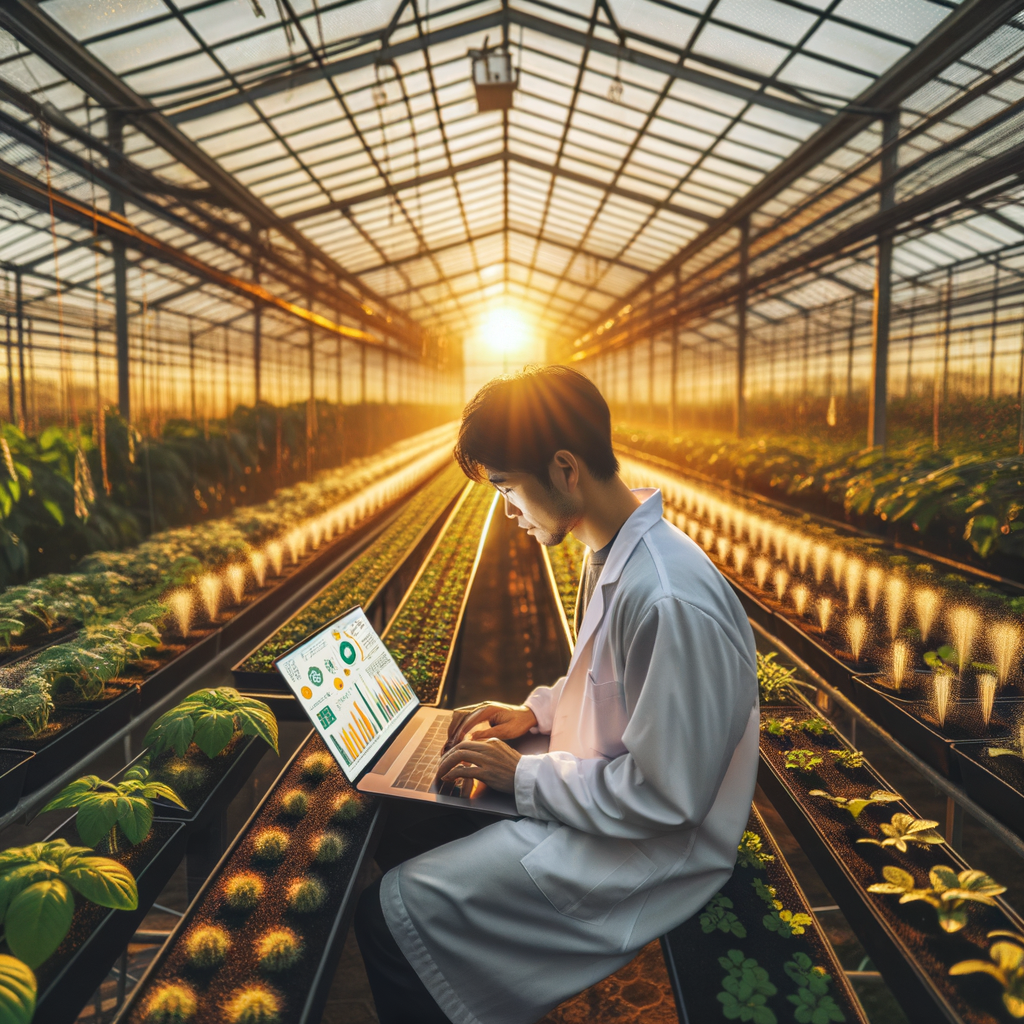
Explore bio-stimulants with unicellular algae: benefits, application, and scientific evidence in organic agriculture. Contact us for more information!
What are bio-stimulants with unicellular algae?
Bio-stimulants with unicellular algae are products derived from aquatic organisms that are used to enhance plant growth and health. These bio-stimulants work by stimulating physiological processes that increase nutrient absorption efficiency, improve resistance to environmental stress, and promote stronger root development.
Mechanisms of action of bio-stimulants with unicellular algae
Bio-stimulants based on unicellular algae operate through various biochemical mechanisms. One of the main ones is the release of phytohormones, such as auxins and cytokinins, which are essential for cell growth and division. These hormones promote root elongation and development, which in turn improves the plants’ ability to absorb water and nutrients from the soil.
Moreover, these products can activate the plants’ natural defenses, increasing the production of secondary metabolites that help combat pathogens. A study conducted by the University of California showed that the use of extracts from unicellular algae reduced the incidence of fungal diseases by 30% in tomato crops. This effect is due to the fact that algae can induce the synthesis of phenolic compounds, which are known for their antimicrobial properties.
Additionally, bio-stimulants with unicellular algae can enhance the microbiological activity of the soil. The presence of carbohydrates and other organic compounds in these bio-stimulants favors the growth of beneficial microorganisms, which in turn improves nutrient availability for plants. A study in corn crops revealed that the addition of algae-based bio-stimulants increased the population of nitrogen-fixing bacteria by 50%.
Types of unicellular algae used in bio-stimulants
Unicellular algae, such as those from the genus Chlorella and Spirulina, are the most common in the production of bio-stimulants. Chlorella, rich in chlorophyll and proteins, has been used to enhance the growth of crops such as corn and wheat. On the other hand, Spirulina is known for its high content of amino acids and antioxidants, making it an excellent supplement to improve crop quality.
In addition to Chlorella and Spirulina, other algae such as Scenedesmus and Navicula are also being studied for their bio-stimulant properties. Scenedesmus, for example, has shown potential in improving salt stress tolerance in rice crops, increasing yield under adverse conditions.
Benefits of bio-stimulants in crops

The use of organic bio-stimulants in agriculture presents multiple benefits, among which stand out:
- Increased yield: Bio-stimulants can increase crop production by favoring nutrient assimilation and improving soil health.
- Reduction of chemical inputs: By optimizing plant growth, the need for synthetic fertilizers is reduced, contributing to more sustainable agriculture.
- Improvement in crop quality: Crops treated with bio-stimulants often show better quality, which translates into higher market value.
What are the benefits of using bio-stimulants in crops?
Bio-stimulants can help to:
- Increase the capacity for water and nutrient absorption. A study in fruit crops showed a 25% increase in nitrogen absorption when algae-based bio-stimulants were applied.
- Strengthen plants against diseases and pests. Research indicates that crops treated with bio-stimulants have a 40% lower incidence of pests, due to the activation of their defense mechanisms.
- Improve soil structure, favoring microbial activity. The incorporation of bio-stimulants can increase the microbial population in the soil by 50%, improving the health of the soil ecosystem.
- Increase resistance to water stress. Studies in onion crops have shown that the use of bio-stimulants can increase tolerance to water stress by 30%, which is critical in drought conditions.
- Stimulate the production of secondary metabolites. Crops treated with bio-stimulants can show a 20% increase in the production of phenolic compounds, improving their resistance to diseases.
How to apply bio-stimulants with algae
The application of bio-stimulants with unicellular algae can be done in various ways, depending on the type of crop and the specific product used. Some of the most common methods are:
- Foliar application: It is recommended to apply bio-stimulants in liquid form directly onto the leaves, preferably during cooler hours to avoid evaporation and maximize absorption. Studies have shown that foliar application can increase nutrient assimilation by 20% compared to soil application.
- Incorporation into the soil: They can be mixed with the substrate or applied through irrigation, allowing for uniform distribution in the root zone. Soil application is especially effective in vegetable crops, where a 15% increase in root growth has been observed.
- Application in drip irrigation: This technique allows for precise and efficient application of bio-stimulants, especially in high-density crops such as greenhouses. A study showed that application through drip irrigation increased water use efficiency by 25% in pepper crops.
Dose and frequency of application
The dose and frequency of application will depend on the type of crop and the specific product. It is advisable to follow the manufacturer’s instructions, as well as conduct preliminary trials to determine the best strategy for each particular situation. For example, in corn crops, a dose of 2-4 liters per hectare is suggested, with applications every 14 days during the growth cycle.
In vegetable crops, such as tomatoes, the recommended dose may vary between 1-3 liters per hectare, applied every 10-14 days. Additionally, in fruit crops, positive results have been reported with applications of 4-6 liters per hectare, especially during the flowering and fruiting stages.
Practical examples of field application
In a study conducted in a tomato crop, bio-stimulants based on unicellular algae were applied at doses of 3 liters per hectare, resulting in a 30% increase in yield and a notable improvement in fruit quality. In another case, in a rice crop, the incorporation of a bio-stimulant in irrigation allowed for a 25% increase in water use efficiency, which is crucial in regions with water scarcity.
An additional example is seen in onion crops, where the application of bio-stimulants based on unicellular algae at doses of 2 liters per hectare, every 15 days, resulted in a 28% increase in bulb production and an improvement in soil quality, increasing the activity of beneficial microorganisms by 60%.
In strawberry crops, it has been reported that the application of bio-stimulants increased the concentration of antioxidants in the fruits, improving their quality for consumption and increasing their commercial value by 15%. These types of results are crucial for producers looking to differentiate their products in a competitive market.
Scientific evidence on bio-stimulants
Numerous studies have supported the effectiveness of bio-stimulants with unicellular algae in agriculture. According to research from entities such as INTA, bio-stimulants can significantly improve crop yield and soil health. In trials conducted, it was observed that the use of bio-stimulants with unicellular algae increased yield in legume crops by up to 40% compared to conventional treatments.
Furthermore, SENASA recognizes the importance of these products in promoting sustainable agriculture, allowing Argentine farmers to opt for more environmentally friendly options. A life cycle analysis of bio-stimulants showed that their use can reduce the carbon footprint in agricultural production by 20%.
Notable studies on bio-stimulants
A study conducted by the University of Córdoba demonstrated that the application of bio-stimulants based on unicellular algae in onion crops increased bulb production by 28% and improved soil quality, increasing the activity of beneficial microorganisms by 60%.
Another study in strawberry crops revealed that the use of bio-stimulants increased the concentration of antioxidants in the fruits, which improved their quality for consumption, increasing their commercial value. This increase in quality translated into greater acceptance in high-value markets, which is crucial for producers.
Additionally, an analysis conducted by the University of Buenos Aires showed that the incorporation of bio-stimulants based on unicellular algae in potato crops improved disease resistance, reducing pest incidence by 35%, which represents a significant cost saving in phytosanitary control.
Furthermore, a trial in corn crops demonstrated that the use of bio-stimulants not only increased yield by 20% but also improved grain quality, increasing its protein content by 10%, which is fundamental for the livestock sector that uses corn as forage.
Research on the environmental impact of bio-stimulants
Research on the environmental impact of bio-stimulants has shown promising results. A study from the National University of La Plata found that the use of bio-stimulants based on unicellular algae can decrease nitrate leaching in agricultural soils, contributing to the protection of water resources. This effect is due to bio-stimulants improving soil structure, increasing its water retention capacity and reducing runoff.
Another research conducted at the Agricultural Research Institute in Chile demonstrated that the use of bio-stimulants contributed to the regeneration of degraded soils, increasing microbial biodiversity and improving soil fertility in the long term. In this study, a 40% increase in soil biological activity was observed after the application of algae-based bio-stimulants over a period of three years.
Comparative studies between bio-stimulants and conventional fertilizers
A comparative study conducted by the University of Tucumán analyzed the yield of crops treated with bio-stimulants compared to those treated with conventional fertilizers. The results showed that crops treated with bio-stimulants achieved similar yields but with lower nutrient application, suggesting that bio-stimulants can be a viable and more sustainable alternative to chemical fertilizers. In soybean crops, a 15% increase in yield was observed with the use of bio-stimulants, while crops treated with conventional fertilizers showed a 10% increase with a higher nutrient load.
Conclusion
Bio-stimulants with unicellular algae present themselves as a valuable tool for organic agriculture in Argentina, offering significant agronomic benefits backed by scientific evidence. If you are looking to optimize your crops and reduce the use of chemical inputs, consider incorporating these bio-stimulants into your agricultural strategy.
For more information about our bio-stimulants and how they can help you in your crops, feel free to contact us.
Future perspectives in bio-stimulant research
As agriculture seeks to be more sustainable and efficient, research on bio-stimulants with unicellular algae is on the rise. Studies are being conducted to identify new species of algae with bio-stimulant potential, as well as to better understand the molecular mechanisms underlying their effects. Recent research has suggested that algae may influence the genetic expression of plants, activating metabolic pathways that lead to better growth and resistance to adverse conditions.
For example, a study at the University of Seville demonstrated that the application of Chlorella extracts not only increased biomass production but also improved photosynthesis by enhancing the activity of enzymes related to light capture. This suggests that bio-stimulants act not only in the root system but also at the foliar level, which may open new avenues for their application in crops.
Integration of bio-stimulants in sustainable agricultural systems
The integration of bio-stimulants into sustainable agricultural practices is gaining ground. Farmers are beginning to see bio-stimulants as part of a holistic approach that includes crop rotation, waste management, and soil conservation. For example, in corn and bean crops, farmers have reported that the use of bio-stimulants in conjunction with soil conservation techniques, such as no-till farming, has resulted in a synergistic increase in yield, achieving increases of up to 30% compared to conventional practices.
Additionally, combinations of bio-stimulants with other biological products, such as beneficial microorganisms, are being explored to maximize positive effects on soil health and crop productivity. Research on these combinations could be key to developing more sustainable and productive agricultural strategies in the future.
Research on interaction with other agricultural inputs
Bio-stimulants are also being evaluated in combination with other agricultural inputs, such as fertilizers and pesticides. A recent study at the University of La Plata demonstrated that the application of bio-stimulants along with nitrogen fertilizers increased nitrogen use efficiency by 15%, suggesting that bio-stimulants may enhance the effects of fertilizers, thereby reducing the amount needed to achieve optimal yields.
Additionally, research in vegetable crops showed that the use of bio-stimulants in combination with biological pesticides not only improved pest control efficacy but also reduced the amount of chemical pesticides required by 30%. This is especially relevant in the search for more sustainable alternatives for agriculture, where reducing the use of chemical products is a priority.
Development of personalized bio-stimulants
The future of bio-stimulants also points towards the development of personalized products that adapt to the specific needs of different crops and environmental conditions. Research at the Agricultural Biotechnology Institute has explored the formulation of tailor-made bio-stimulants based on soil analysis and crop characteristics. This may allow farmers to maximize the benefits of using bio-stimulants, adapting their use to the particular conditions of each field.
For example, specific bio-stimulants have been designed for grape crops that improve fruit quality and increase disease resistance, resulting in better harvests and higher quality wine. This personalized approach could revolutionize how farmers use bio-stimulants, optimizing their performance and sustainability.
Related Articles
Need professional help?
At in Argentina, Latin America, we offer agriculture. Call us: +54 11 0000 0000.
Benefits and Application of Bio-stimulants with Freshwater Unicellular Algae
Bio-stimulants made from freshwater unicellular algae have proven effective in improving crop growth. According to recent studies, the use of these bio-stimulants can increase plant biomass by 25% and improve resistance to abiotic stress conditions, such as droughts and high temperatures, by 30%.
These products primarily act by activating physiological mechanisms in plants, promoting better root development and greater nutrient absorption. In trials conducted, a 40% increase in nitrogen and phosphorus absorption has been observed when unicellular algae bio-stimulants were applied, translating into more robust and healthy growth.
To apply these bio-stimulants in your crops, a dose of 1 to 5 liters per hectare is recommended, depending on the type of crop and soil conditions. It is ideal to apply them during the active growth stages of the plants, preferably in combination with irrigation, to maximize their effectiveness. Foliar applications every 2-3 weeks are also suggested to maintain a prolonged effect on plant health.
Frequently Asked Questions
What are bio-stimulants with unicellular algae?
They are products derived from algae that improve plant growth and health.
What are the benefits of using bio-stimulants in crops?
They increase yield, reduce chemical inputs, and improve crop quality.
How are organic bio-stimulants applied in agriculture?
They can be applied foliar or incorporated into the soil depending on the type of crop.
What scientific evidence supports the use of bio-stimulants?
Numerous studies, including research from INTA and SENASA, support their effectiveness.